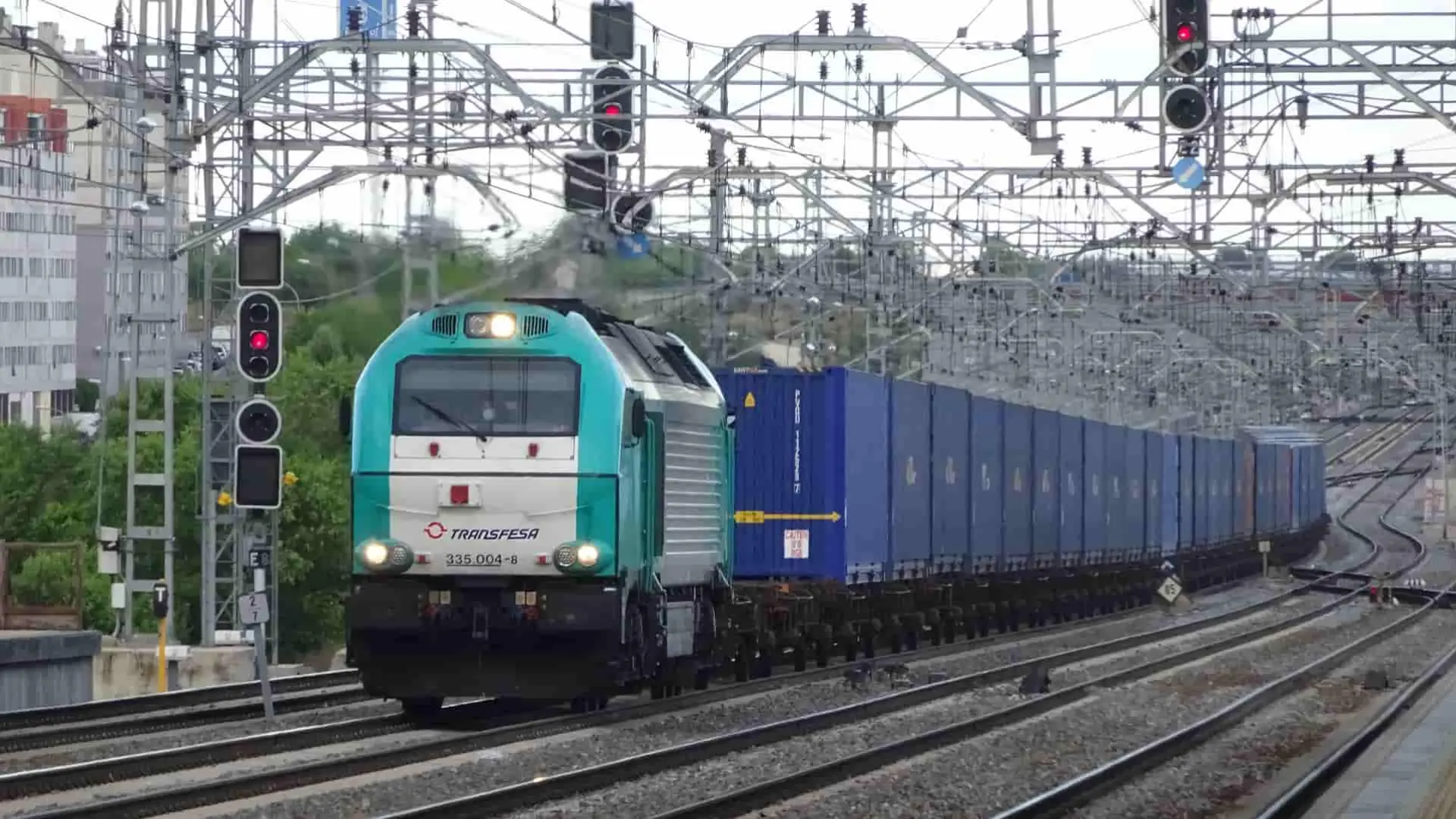
Adif puts out to tender a study of the obstacles in the High Speed network for freight trains
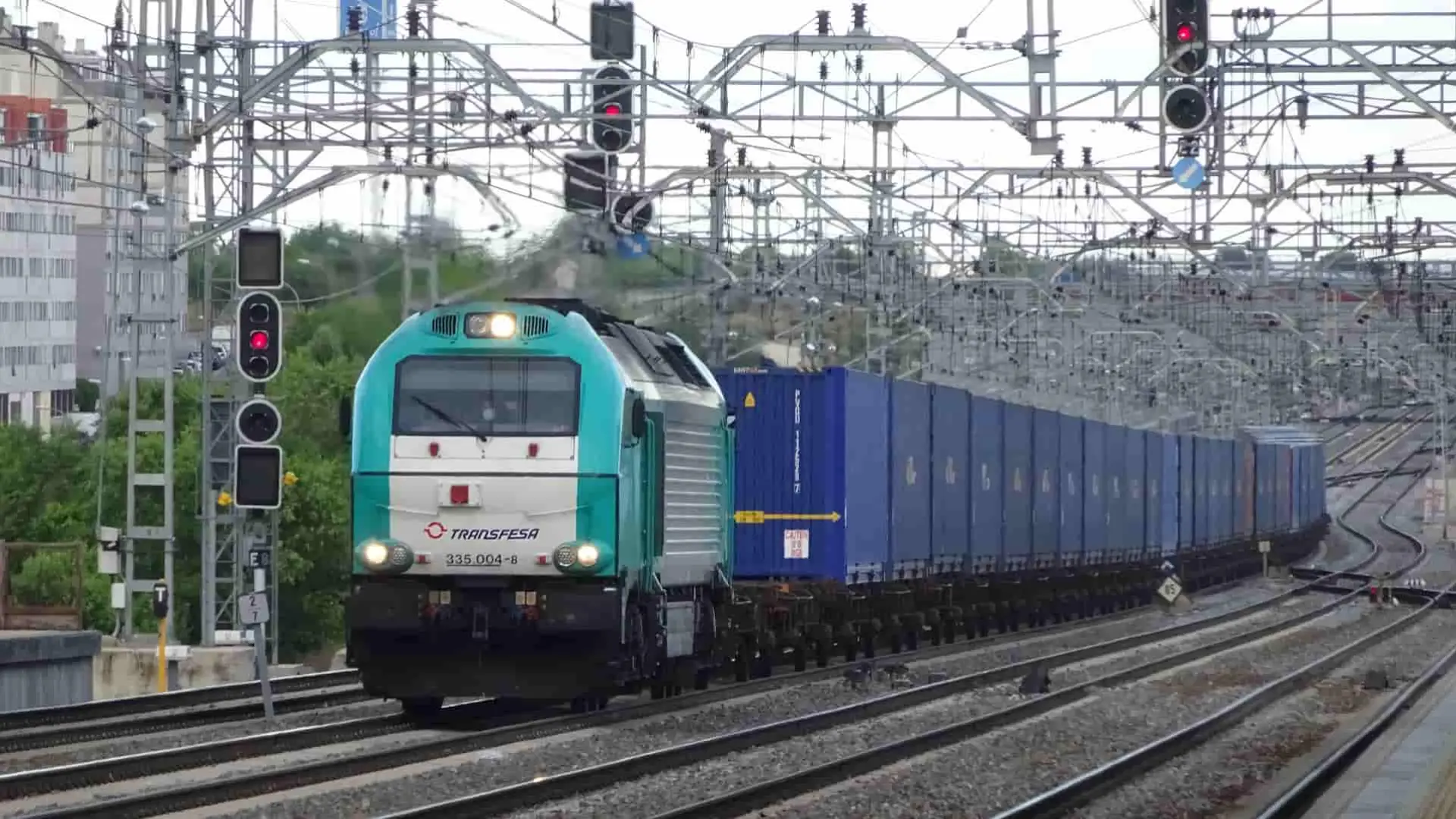
Adif The preparation of a study has begun to verify to what extent its High Speed infrastructures, roads and other elements intended for the transport of passengers, are prepared or need adaptation to also convert them into “railway highways” for the transportation of goods and semi-trailers at least four meters high, which exceeds the Renfe AVE, the Ouigo and the Iryo that now pass through their trains or stop at their stations.
To this end, the state manager of railway infrastructure has put out to public tender a contract for 967,407 euros without taxes – 1.4 million as an estimated value – for the railway engineering consultancy to carry out the technical work. for the “checking of gauges and evaluation of exceptional transports on lines belonging to the railway network owned by ADIF-AV“. Interested parties can submit their proposals until February 2 and the chosen one must deliver the work in two years.
Almost three years after what became known as ‘gálibogate’, the distortion between the size of the tunnels in Cantabria and Asturias and the trains that were to circulate on them, which was settled with the then president of Renfe and the Secretary of State for Transport, Adif wants to contract the analysis of the gauge of its tracks, the compatibility of its High Speed infrastructure with the “railway highway gauges” and “the compatibility of each of the unique elements of the infrastructure”, which include tunnels, stations, stops, passes, overheads or structures.
The tender launched now tries to determine the existing gauge and compare it with the “target” for this type of trains in the High Speed axles Madrid-León/Asturias, Madrid-Barcelona/French Border, Madrid-Levante, Madrid-Toledo/Seville/Málaga, Madrid-Badajoz/Lisbon and Olmedo-Zamora-Galicia.
As recalled in the specifications, among the Government’s objectives in terms of mobility is that in 2030 10% of freight transport is done by trainwith the deployment of the so-called “railway highways”, replacing road transport, in trucks. Currently, freight trains They travel on conventional roadsbeing the Algeciras-Zaragoza the one that arouses the most interest due to its length and because it almost crosses the country from the border with Morocco and, in its final stretch of Zaragoza to Tarragonathe most demanded.
Laser and 3D auscultation for “safe” circulation
Now Adif wants to analyze the “viability” that High Speed corridors also have so that they circulate through them “exceptional transport“, which “due to their dimensions, weight or distribution and conditioning of the load can only be admitted under certain technical and operational conditions.” It also remembers that among the “good practices” contemplated by the different national and European railway regulations includes “the establishment of the necessary conditions for the circulation of these transports be done safely.”
This auscultation, which must be carried out in sections of different lengths and through laser and 3D It must also calculate the distance between the axis of the track and the edge of the platform or quantify the interference of the target gauge with the infrastructure of the upper and lower parts.
About him exceptional transportationthe objective of the contract is to compare the calculated gauges with the existing infrastructure To determine if it is feasible, “quantifying the existing margins between the contour of exceptional transport and the existing infrastructure at the points where transport interferes with the application gauge.”