
Central banks, it’s time to look at Bitcoin
The specialists of the Financial Bulletin The Kobeissi Letter published relevant information about the reserves of the central banks worldwide.
According to these analysts, there is a growing trend of reserves diversification. The Kobeissi Letter points out that “foreign holding bond holdings as a percentage of US government debt have fallen to ~ 23%, the lowest level in 22 years.”
In addition, it is detailed there that “the percentage has dropped about 11 points in the last 9 years” and, simultaneously, “gold holdings as a percentage of world international reserves have reached ~ 18%, the highest level in 26 years.”
Worldwide, one of the biggest gold buyers in recent years has been China. The aforementioned bulletin comments that “since the beginning of 2023, China’s gold reserves as a percentage of the total foreign reserves have doubled to 7.1%.”
The Kobeissi Letter concludes its brief analysis with a statement that – according to this data – does not give no doubt: “Everyone wants gold”.
However, although the search for refuge in gold makes sense in the current environment of macroeconomic uncertainty, There is a better prepared candidate for the digital age and the monetary crisis we face: Bitcoin (BTC). It is time for central banks to pay attention to Bitcoin as an international reserve asset that could complement and even overcome the historical virtues of gold.
Why would Bitcoin be a better international reserve than gold?
To answer the question of this intetitle, we must first understand what are the fundamental properties that make gold an asset historically appreciated by the central banks: scarcity, immutability, global liquidity and a certain resistance to monetary crises and devaluations. All these characteristics, however, are even better fulfilled with Bitcoin.
Let’s start with scarcity. Bitcoin has a fixed maximum supply of 21 million coinsmathematically and impossible to alter. On the other hand, although gold is relatively scarce in nature, its supply is uncertain, subject to new mining discoveries, technological developments in extraction, and even the future (although remote for now) of space mining. Bitcoin’s perfectly known offer offers total long -term certainty, something extremely valuable in terms of value reserve.
In second place, Bitcoin surpasses gold in terms of verifiability and authenticity. The structure of the Bitcoin network allows to verify immediately, indisputable and infallsifiable the authenticity of each BTC in existence. On the contrary, gold always faces risks related to its storage, transport, certification and authentication, expensive processes and vulnerable to human errors or fraud. Recall that recently, as cryptootics reported it, the Trump administration in the United States questioned that the country really has the gold it says.
The global liquidity and the ease of transfer They also place Bitcoin in a position higher than gold. Transferring physical gold implies a complicated, expensive and slow logistics, which becomes extremely problematic in times of crisis. Bitcoin, on the other hand, moves in minutes (or less) regardless of the amount involved or the distance to travel. This gives a unique ability to react quickly to adverse economic situations, something essential for any strategic value reserve.
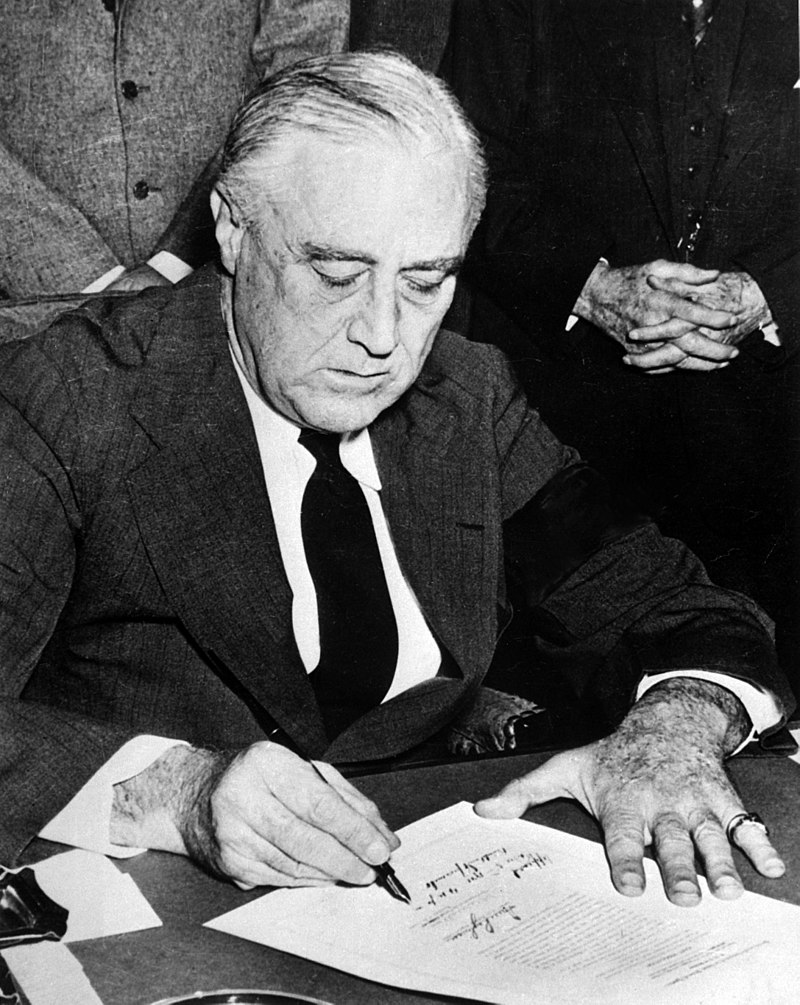
Another important aspect that positions Bitcoin as an active superior is Resistance to censorship and confiscation. Historically, gold has been subject to government confiscations, such as Executive Order 6102 issued by Franklin D. Roosevelt in 1933. Bitcoin, being a decentralized digital asset, stored by private private keys, offers a much higher level of resistance against authoritarian or confiscatory measures.
Some critics argue that Bitcoin, due to their historical volatility, could not be a reliable reserve. This argument ignores that Bitcoin continues at an early stage of adoptionprocess that necessarily implies high volatility in its early years.
With each cycle of growing adoption and institutional acceptance, this volatility decreases significantly. The adoption of BTC by central banks (for now only El Salvador has actively taken that step) would accelerate this maturation process, further reducing the volatility of the asset.
In addition, compared to sustained gold performance in real terms during the last decades, Bitcoin has proven to offer much higher returns, making it a more attractive reserve of value in terms of potential appreciation.
Nor can the Technological and Social Context in which we live today. The money is being digitized, and more and more economies move towards models without effective (in physical). Younger generations, future responsible for political and economic decisions, naturally see a digital asset such as Bitcoin. Gold, although it maintains its symbolic and aesthetic value, is losing its practical and cultural relevance among these new generations.
It is true that Bitcoin will not completely replace gold in the short term. But it is essential that central banks begin to diversify their reservations incorporating Bitcoin into their accumulation strategy. This diversification would allow to cover different risks to traditional ones, such as those derived from a global financial crisis, an accelerated devaluation of the dollar or even geopolitical conflicts that severely impact the traditional financial system.
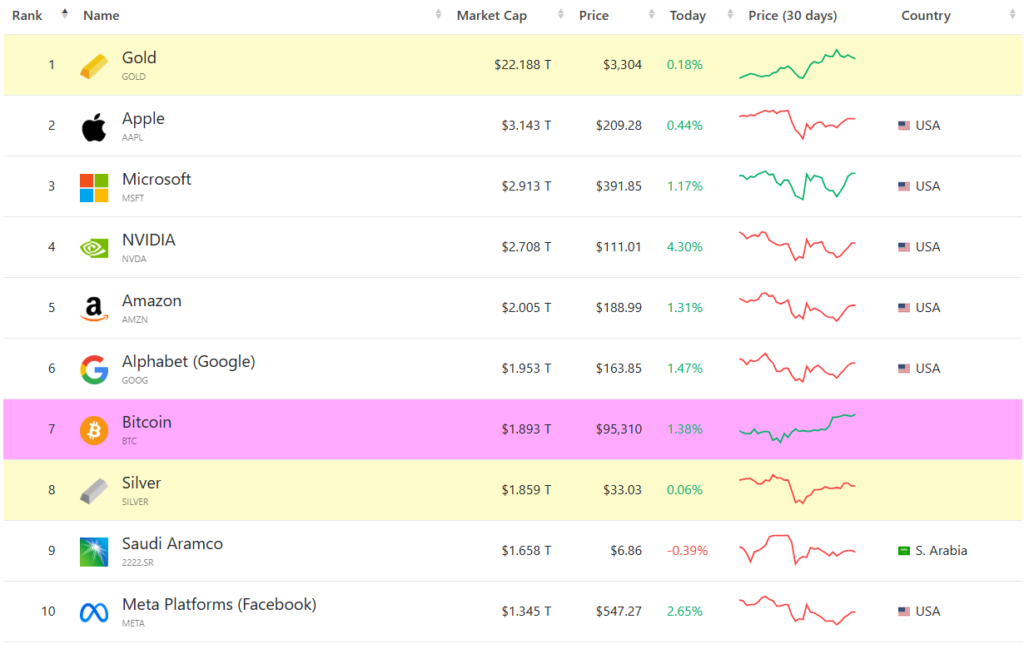
Finally, for those who question the technological security of Bitcoin, it should be noted that the Bitcoin Network has never been hacked since its creation in 2009. As time passes, the network is strengthened and decentralized even more, becoming progressively more robust and reliable, an absolute contrast with always latent vulnerability in centralized systems.
In short, if the world wants gold because it seeks security, stability and trust in the face of global uncertainty, then it should want even more Bitcoin, because it fulfills those same functions, but perfectly adapted to the demands of the 21st century.
It is time, then, that the central banks of the world leave behind old paradigms and begin to seriously explore the unique value that Bitcoin can provide as a strategic asset. Ignoring this alternative would be to waste a historical opportunity to strengthen and protect national reserves against an uncertain and changing future. The evidence is clear and the circumstances are conducive: central banks, it is time to look at Bitcoin.
Discharge of responsibility: The views and opinions expressed in this article belong to its author and do not necessarily reflect those of cryptootics. The author’s opinion is informatively and under no circumstances constitutes an investment recommendation or financial advice.


