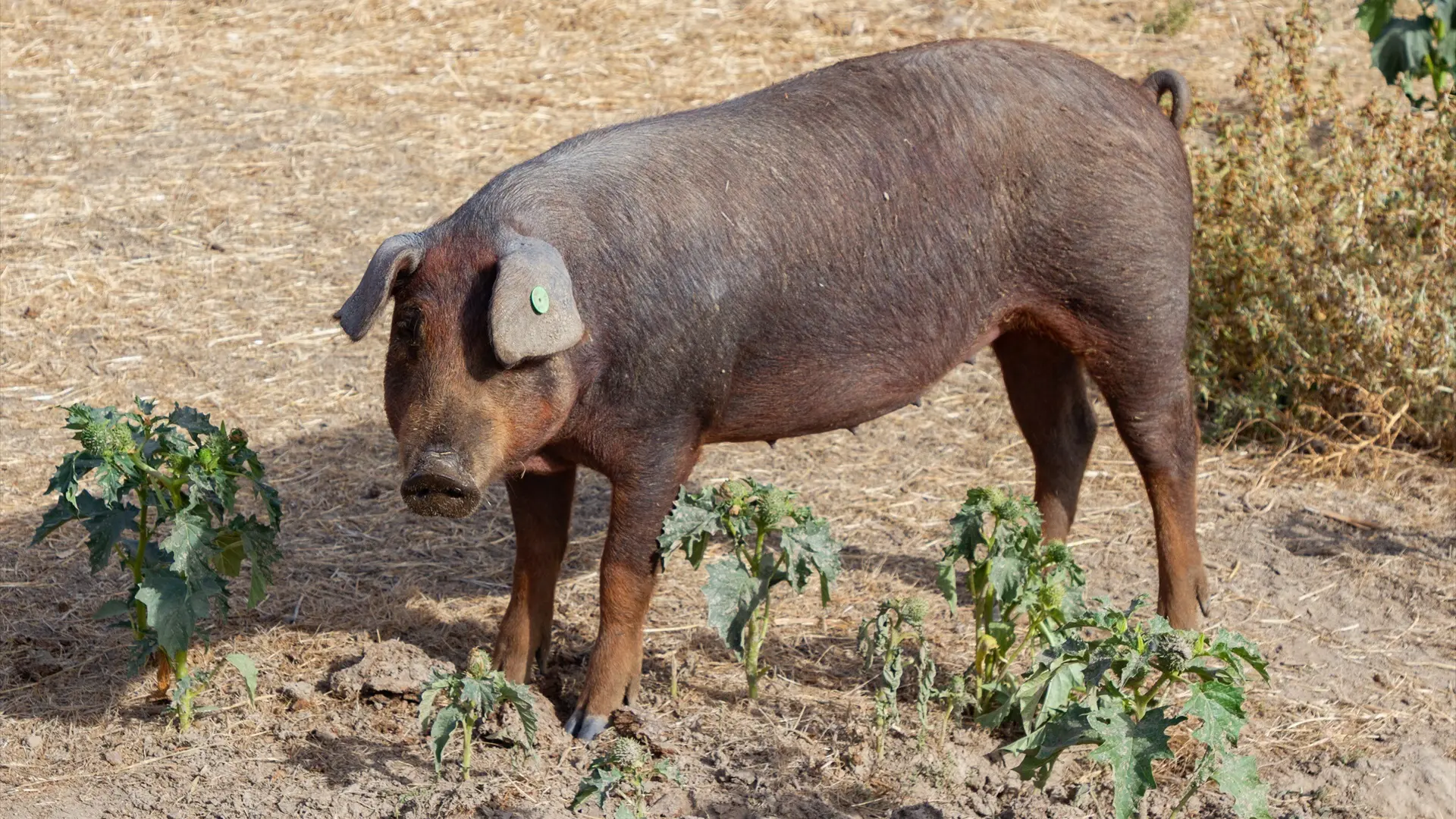
China announces tariffs of up to 19.8% on European pork for five years
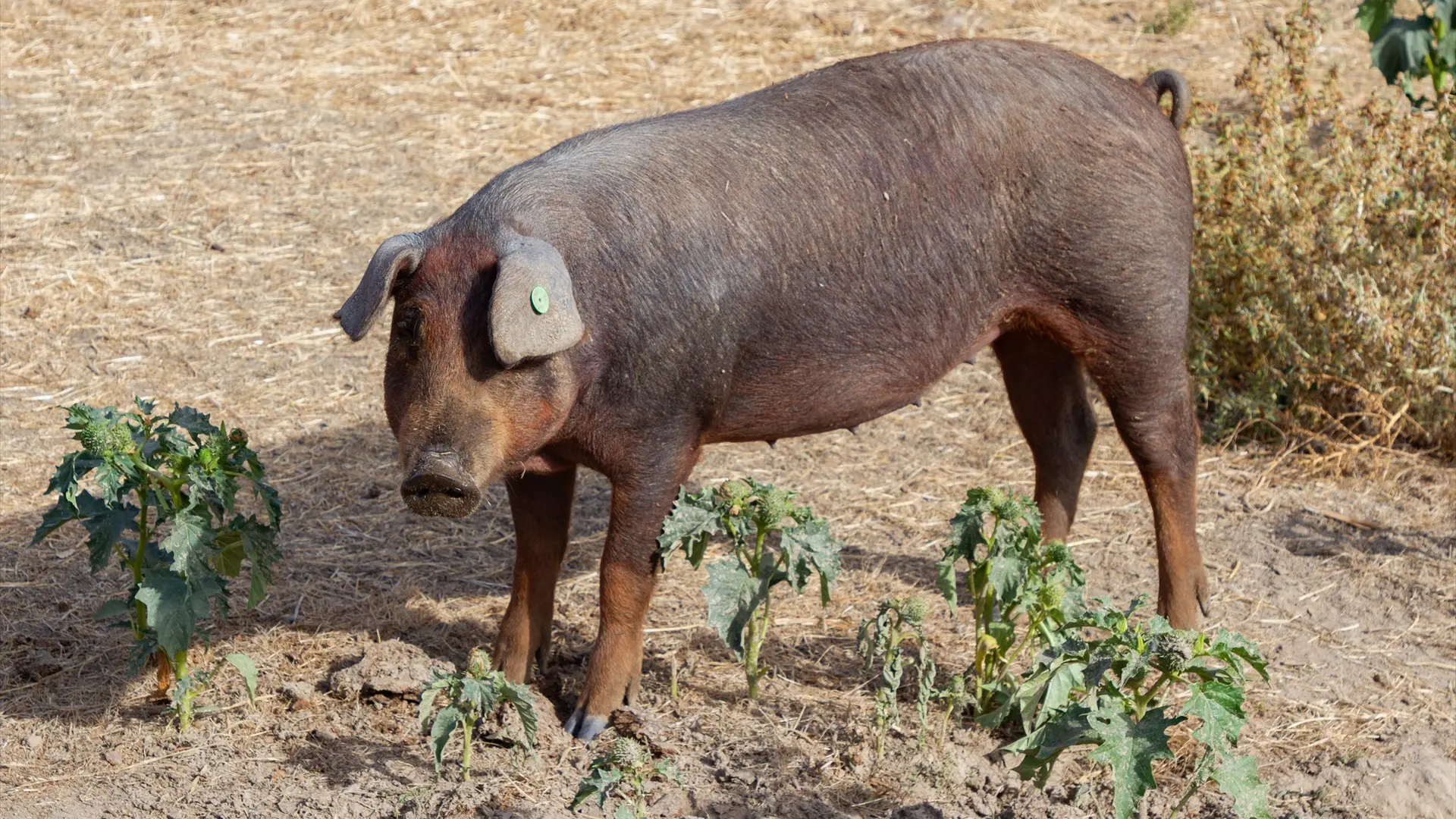
The Chinese Ministry of Commerce announced this Monday that, after the investigation into unfair competition that began in 2024, it will apply tariffs of up to 19.8% on pork coming from the European Union (EU) in what is considered retaliation for Brussels’ taxes on its electric vehicles.
However, these levies, which will be applied for five years starting this Tuesday, are significantly lower than those of up to 62.4% that had been announced against European pigs temporarily last September.
According to the announcement made by the Chinese Ministry of Commerce on its website, the tariffs will range from 4.9% applied only to the Spanish Litera Meatone of the firms taken as a sample in the investigations, up to the aforementioned 19.8%, which will be imposed on the companies that did not collaborate and also on the Dutch company Vion.
For the firms that collaborated with the investigation, among which several Spanish ones stand out such as El Pozo, Sánchez Romero Carvajal, Argal, Campofrío, Noel or Friselva, the rate will be 9.8%.
Spain, one of the main exporters
The research was especially important for Spain, since it is one of the main pork suppliers for the Asian giant, to which it destined almost 20% of the volume of its exports of that item last year.
Furthermore, pork is, according to reports from the Spanish Government, the second most important game within the country’s agri-food exports, only behind olive oil.
In 2024, according to data cited by the Interporc employers’ association, Spain exported some 540,000 tons of pork products to China for 1,097 million euros, a figure that also represented 12.5% of the value of the sector’s foreign sales.
It should be remembered that this research excludes Iberian hamone of the most representative products of Spanish gastronomy worldwide, or sausages, which are hardly sold in China. The Asian country is an important destination for offal and parts less valued in Europe such as ears, snouts or feet of that animal, as well as refrigerated or frozen by-products, fats and viscera.
Retaliation for electricians
Beijing opened these investigations in the middle of last year – also others against brandy or certain dairy products – due to tensions with Brussels on account of electric vehiclesand extended them last June until now due to the “complexity” of the case.
Spain, which was initially considered among the countries promoting tariffsfinally abstained in the vote in which it was decided to apply these rates, in October 2024. China and the EU have achieved a relative rapprochement in recent months, especially after the tariff escalation unleashed by US President Donald Trump.
The US had precisely been singled out last year by sector analysts as a possible beneficiary of the tariffs to the European pig, along with Brazil, Canada or Argentina. The EU (where other producers such as the Netherlands and Denmark also stand out) even allocated a 55% of its pork exports in 2020 due to the lack of production in the Asian country after a serious epidemic of African swine fever, but the figure dropped to 30% in 2023 as the national herd recovered.