De-dollarization of the world begins a new phase with the end of the petrodollar
Key facts:
-
Saudi Arabia is now open to trading oil with other currencies, including CBDC.
-
The death of the petrodollar does not mean the end of the US currency, but it weakens it.
An announcement on the official account of the BRICS bloc of countries confirms this: the petrodollar agreement between Saudi Arabia and the United States has expired and there is no new agreement in force. Rumors had been spreading since June 9, the 50th anniversary of the birth of the pact between the two countries.
This is the alliance established in 1974 as a way to rescue the US dollar from the precarious situation in which it found itself, after abandon the Bretton Woods system (based on gold standard).
At that time, salvation came from Saudi Arabia and it was agreed that, in exchange for military security, the world’s leading oil exporter would use dollars to sell crude oil and buy Treasury bonds. It would help like this to finance budget deficits. A mechanism that over the years was extended to other oil sellers through OPEC.
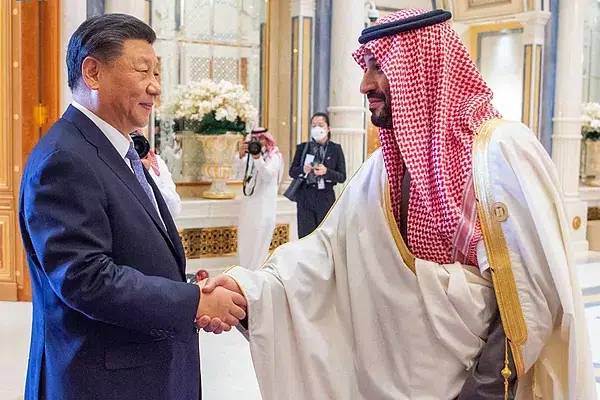
But now, the situation has changed. Prince Mohammed bin Salman Al Saud decided not to renew the pact. Consequently, Saudi Arabia will now sell oil in multiple currencies, including the Chinese yuan, the euro, and the yen, instead of exclusively in US dollars.
With this diversification, the dollar will stop dominating the oil trade. A fact that, as CriptoNoticias reported, is already a reality. The Arabian country sells oil to China using yuan and recently joined the BIS tests to make cross-border payments with CBDC.
The interest in making more changes had been announced last January by the Saudi Finance Minister, saying that his country’s authorities were willing to use other currencies. From that moment on, it began to be suspected that the petrodollar pact was approaching its end.
The fact that oil is now not solely denominated in dollars becomes important beyond the areas of oil and finance. While oil was required to be sold only in US dollars, the agreement supported the status of the dollar as the world’s reserve currency.
Global demand for dollars to buy oil has helped keep the currency strong, making imports relatively cheap for American consumers. In addition, the influx of foreign capital into US Treasuries supported interest rates.
But now, the expiration of the petrodollar weakens the US currency and, by extension, to the country’s financial markets. If the price of oil is fixed in a currency other than the dollar, it could lead to a decrease in global demand for the greenback.
The dominance of the dollar weakens
The step taken by Saudi Arabia not only stands out because it marks the end of the system known as the petrodollar, but because start a new phase in de-dollarization process that they have been promoting for several months China and Russia. The initiative is part of a trend followed by many other countries to move away from the dollar.
And although many agree that the departure of the petrodollar does not represent a fatal blow to the US currency, because it does not imply the end of its dominance, It certainly weakens it.. As indicated by the analyzes of Mises, a European institute of economic studies, this is because it occurs in a context in which the share of the dollar in world reserves registers a significant decline.
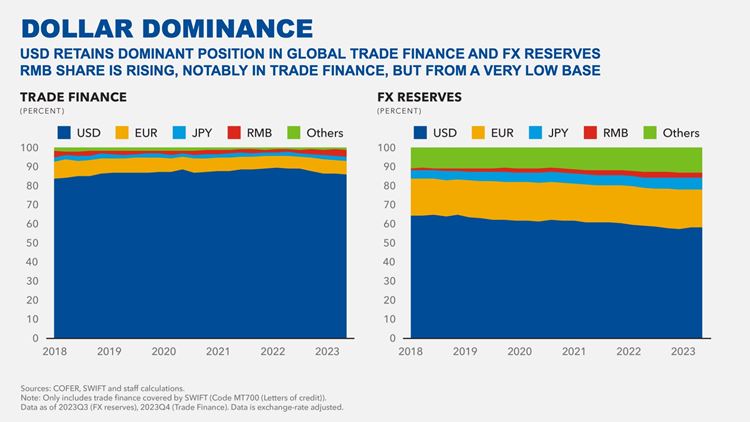
The International Monetary Fund (IMF) spoke about this a few days ago, observing “a process of slow erosion” in the share of the dollar in reserves. Trend accompanied by a new prominence for currencies such as the Chinese renminbi and the Korean won, including other less named ones such as the Australian and Canadian dollars.
“The US dollar is losing ground to non-traditional currencies in global foreign exchange reserves, although it remains the preeminent reserve currency,” admits an IMF report. That is why the decision made by Saudi Arabia to eliminate the petrodollar, may further weaken the currency’s position.
More strength for the petroyuan?
To measure all these changes, it is important to take into account the status of the petrodollar in the global dynamics of the last 50 years, being the dominant system in crude oil sales and helping the US to maintain control of international oil trade.
The panorama has been changing as the Saudis They began to downplay their alliance with the United Statesespecially after this country increased its tendency to impose sanctions in the last decade.
The current situation of Russia, Iran and other countries – added to the trade war between the US and China – has transformed the geopolitical game and with it the actions of many governments. And as a result, “global economic ties are changing in a way we have not seen since the end of the Cold War,” comments IMF deputy director Gita Gopinath.
As part of this context, Saudi Arabia’s oil sales to the United States have been declining (with a drop of more than 70% in 30 years), while Saudi Arabia’s sales to China show a constant rise, being now China’s leading energy supplier.
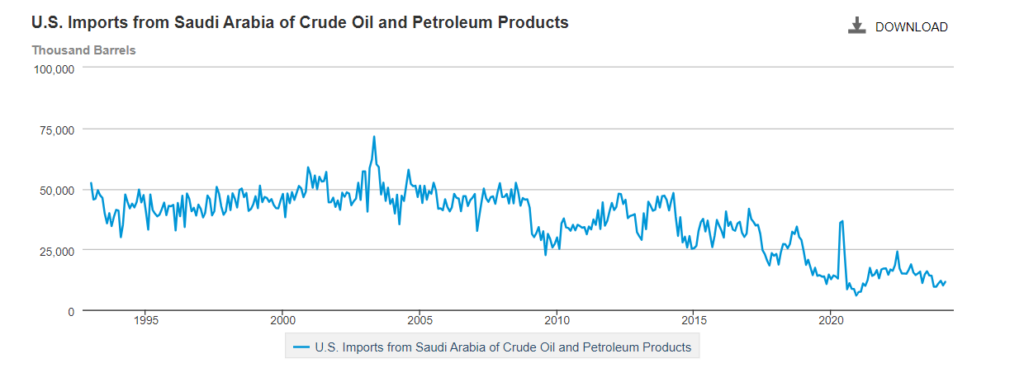
As analysts explain, this change does not affect the crude oil and energy needs of the United States because it is already supplied with shale oil.
However, the possibilities of action for a range of currencies within the oil trade are unfolding. Something that – depending on the dominant country – would give birth to a new system, thereby deepening the process of global de-dollarization.
There are those who think that the end of the petrodollar could give power to the petroyuan, the system created by the Chinese in 2018 to compete with the petrodollar and which is used for oil trade with Russia, Iran and Venezuela.
At this point, it is essential to consider the role of Saudi Arabia as the world’s leading oil producer and exporter, and China as an engine of dedollarization.
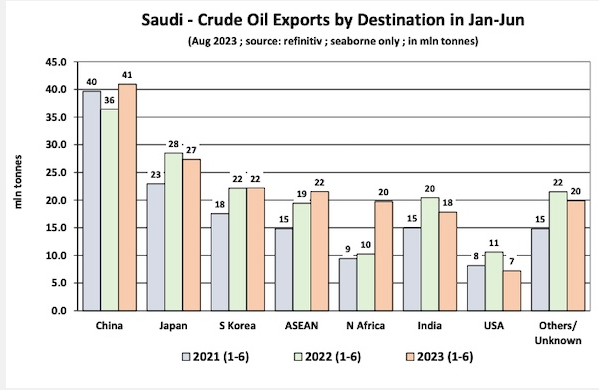
The Asian giant has managed to ensure that much of its cross-border trade is carried out in its local currency. The impact of this initiative has led to the yuan surpassing the dollar in the country’s international payments. Hence Oil trade with the Saudis and other countries is settled in yuan.
We must wait for the development of events in the world of oil and finance, as the effects of the end of the petrodollar materialize in more concrete events.