Green shoots in the toy sector despite the copies and fakes that flood the market: it will grow by 2.5% after the blow of 2004
The toy sector regains its smile. After 2024 where turnover fell by more than 9%, the industry dedicated to entertainment and gaming for children and adults expects to close 2025 with growth of around 2.5% supported by the good performance of domestic demand and the increase in exports, as explained this Thursday in a press conference by the president of the Spanish Association of Toy Manufacturers (AEFJ), Marta Salmon.
Salmón has specified that in the Christmas campaign, which accounts for 60% of the total turnover of the year, a level of sales similar to that of 2024 is expected and has celebrated this turnaround that the sector has made in sales in just one year despite the unfair competition it suffers from non-EU third countries with the proliferation of counterfeits and unsafe toys that systematically flout all controls in the face of the legal vacuum that exists in the EU.
“We have managed to return to the path of growth thanks to new and efficient forms of manufacturing and price containment; but above all we must highlight the containment in the profit margins that manufacturers have made“, he highlighted.
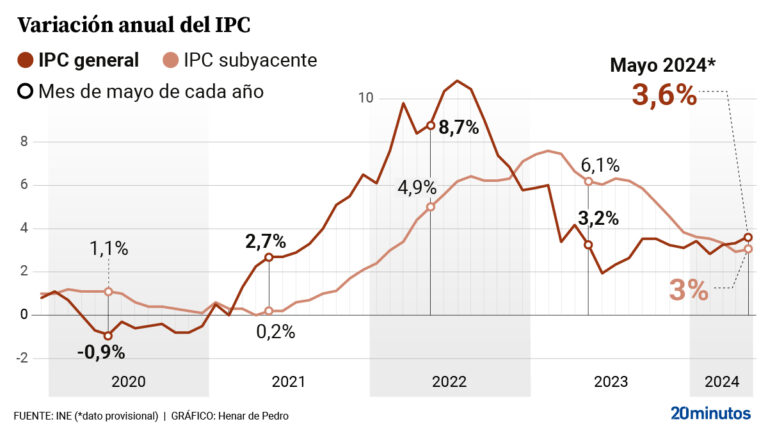
In this sense, the president of the AEFJ has referred to the contrast between the current CPI of 3.1% and the specific CPI for toys, which registers a drop of -0.6%. Thus, according to data from the consulting firm Circana, The average price of the toy remains stable, around 18 euros, although It rises to 23 euros in the peak sales period (December). Regarding annual spending per child, in 2024 it stood at 11.5 toys and 195 euros, far from neighboring countries such as France, where it reached 359 euros.
This recovery of the toy sector comes at a complicated time due to the decline in the birth rate in Spain: since 2012, the National Institute of Statistics (INE) estimates the loss of children up to 12 years old at one million. In this context, “companies have adapted their offer and have consolidated categories such as constructions, board games or collectibles, aimed at families and adult buyers.” Currently, the market kidult represents about 30% of the total and maintains double-digit growth.
“This year, About 30% of the sector’s catalog is newwhich demonstrates the enormous effort of companies to innovate, anticipate trends and respond to a consumer that changes very quickly,” said Salmón. “The toy industry continually evolves, integrating new narratives and values without giving up the essence of the game. This capacity for constant renewal is key to maintaining a dynamic and competitive market, capable of connecting with families and also with new generations of adults who are approaching toys again,” he concluded.