
Ledger introduces a new security function after hacking to bybit
-
The new tool is available only for networks that use the Ethereum virtual machine (EVM).
-
This mechanism simulates transactions before they are signed and identify potential risks.
The Ledger company, known for its Bitcoin (BTC) and cryptocurrency Wallet Hardware, announced on April 30 the launch of a new function: TRANSACTION CHECK (Transaction check).
This tool, presented in X by Charles Guillemet, director of Technology (CTO) of the company, seeks mitigate the risks associated with human errors during the transaction signinga vulnerable point that has been exploited, for example, in hacking to the Bybit platform by attackers of the Lazarus group, which took an estimated figure of 1.5 billion dollars in Ethereum (ETH).
The function, described by the Ledger manager as a kind of “antivirus for cryptographic transactions.” combines previous simulations and cryptographic verifications for alert users about possible threats before confirming an operation.
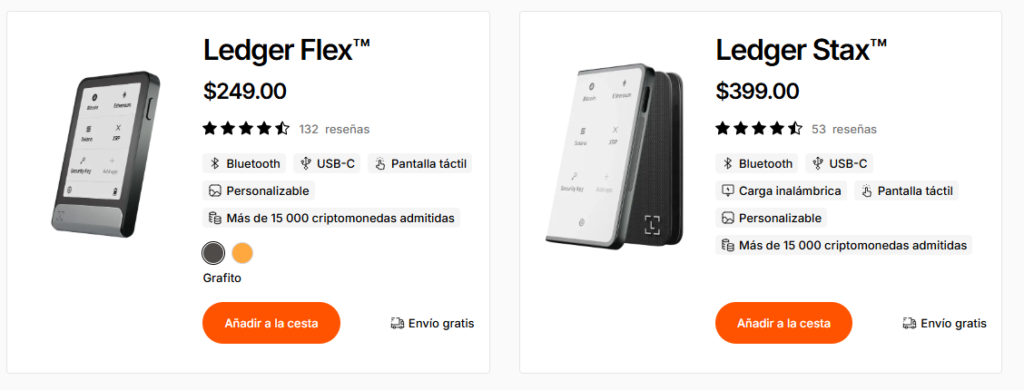
However, the new implementation is operational only for operations linked to networks that use the standard of the Ethereum virtual machine (EVM), such as Ethereum, BNB chain (BNB) or Polygon (POL), and is available only for two Wallets Ledger, Flex and Stax Wallet models:
An answer to the risks of transactions
The Ledger security model, based on a safe element chip (SE), a screen and its own operating system, has been designed to protect digital assets against physical or remote attacks when the device is at rest.
However, as Guillemet points out, “The greatest risks emerge when you are actively transaction”. The attackers take advantage of human errors, such as the blind firm of fraudulent transactions, to deceive users.
Transaction Check addresses this challenge by allowing transactions to be evaluated before its signature. When the function is activated in Ledger Live, the platform sends the operation to simulation suppliers that analyze possible threats. Subsequently, the device cryptographically verifies the results to guarantee its integrity.
“We cannot eliminate human error, but we can design solutions around him,” says Guillemet. This process, according to the official Ledger report, would help users make informed decisions, based on concrete results, instead of blindly trusting what they sign.
According to the official announcement, the tool simulates transactions before they are signed, identifies potential risks and shows the results in the device interface, which is resistant to manipulations. “Transaction Check warns if what you are about to sign is potentially dangerous,” explains Ledger’s announcement.
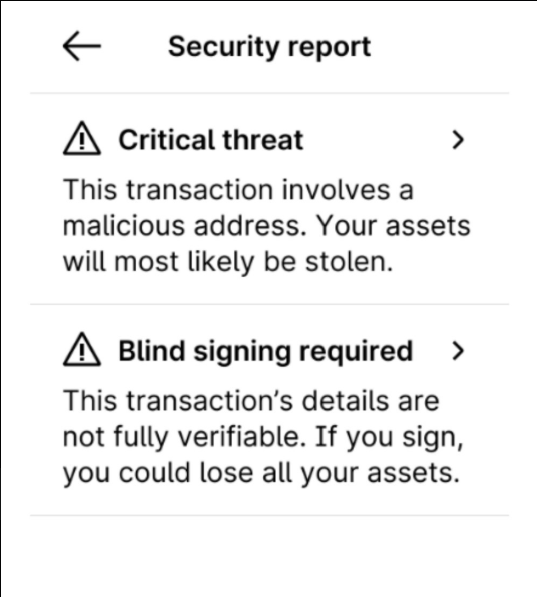
The new Ledger tool is complemented by another security feature: Clear meaning (Clara signature), which allows users to clearly understand the content of the transactions they are authorizing. While Clear meaning It focuses on transparency, ‘Transaction Check’ adds a proactive layer of risk analysis. “Together, they create comprehensive protection at each stage of a transaction,” says Guillemet.
BYBIT hacking context
The attack on Bybit, which refers to the Ledger CTO, is a reminder of the vulnerabilities that persist in the cryptocurrency custody ecosystem. This type of attacks, indicated by Guillemet as “Man-in-the-Middle” (man in the middle) Involve the interception of communications between a person and a platform or devicemanipulating data to induce fraudulent transactions firm.
In the case of Bybit, the hacking was possible because Lazarus got Access to a Safe employee’s computerthe company that guarded exchange funds, allowing them to subsequently inject malicious code and without showing obvious signs of adulteration. Finally, with that mechanism, Lazarus violated the multisig firm employed by Bybit, extracting the 1.5 billion dollars.
Perhaps, with this function in their hands, BYBIT’s managers at the time of approved these operations in their Ledger Wallets would have been warned of a possible threat and avoid the attack. This type of exploits highlights the importance of tools that seek to protect users in an environment where blind trust can have expensive consequences.


