Parliamentary shutdown?

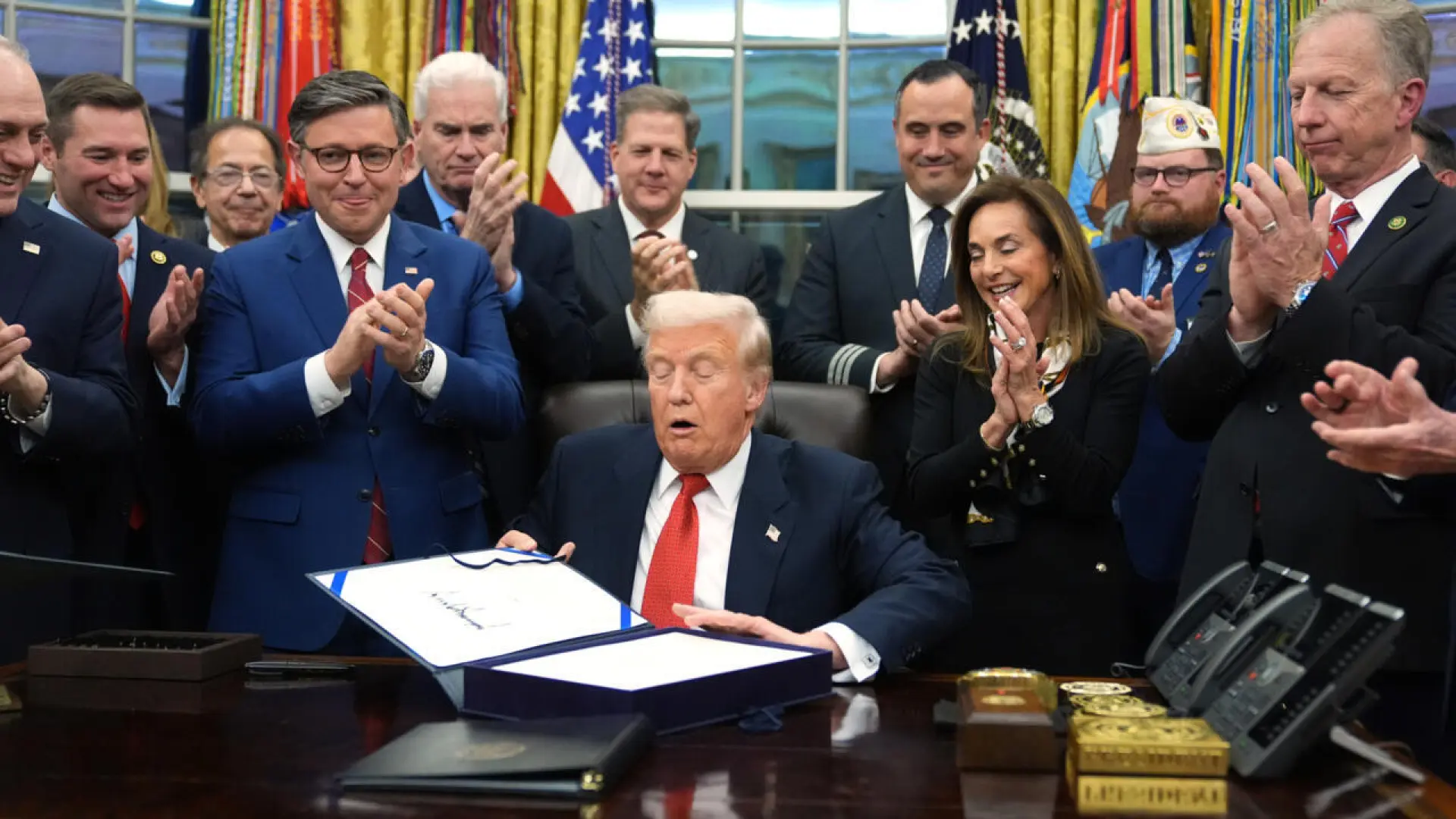
These autumn days we have become familiar with the term shutdownwhich literally means the shutdown of the Government. It is due to the budget crisis that the Trump presidency has experienced and is partly experiencing. Well In the US there is no budget extension like in our country. This fact determines the paralysis of the federal administration with all its consequences, especially not paying officials and closures of Federal Agencies and basic services.
Fortunately for the federal Administration and citizens, a minimum budget agreement has been reached in the Senate to lift the closure at least until January.
The idea of shutdown American allows us to consider the political crisis that the Sánchez Government is experiencing without parliamentary support, whether it would fit in our country, a shutdown or closure of parliament, given that Sánchez, in an exercise of democratic irresponsibility, has already said several times that he will govern until 2027 without Parliament and without budgets. “They won’t move us”they said in last Wednesday’s debate in Congress, where government instability has become evident.
The rhetorical question is, if parliament is not going to control the Government; is not going to approve laws and even less so the Budget Law, what function does it serve. It would be cheaper for us if the parliamentarians (350 in the Congress and 269 in the Senate) went home, (all of this if the arrest of Junts is real or the view of the gasoline that the Advocate General’s Report before the CJEU has given in the case of the amnesty before the CJEU, intends to draw water from a well that does not have it).
It is evident that all this is not possible. But it is exposed to appreciate the political gravity – a democratic anomaly one could call it – in the face of the scandal caused by a president who embraced power, but who has lost his legitimacy as a democratic exercise of government when confidence was withdrawn by the Junts parliamentarians who determined his investiture on November 16, 2023, therefore, two years ago.
It will be said that the Spanish system has mechanisms such as the question of confidence or the motion of censure to seek an alternative, be it to call elections, or elect another government majority. Or the most democratic, resignation in the face of such a state of things.
However, this approach is fallacious because neither Sánchez is going to submit to a question of confidence that, if lost, would lead to the cessation of the government (Art 101.1 CE), nor is there an alternative majority capable of investing another president with another majority after a motion of censure. The notion of constitutional crisis is imposed with a president without a parliamentary majority ignoring the constitutional mechanisms of control, entrenched or chained like the myth of Sisyphus to La Moncloa.
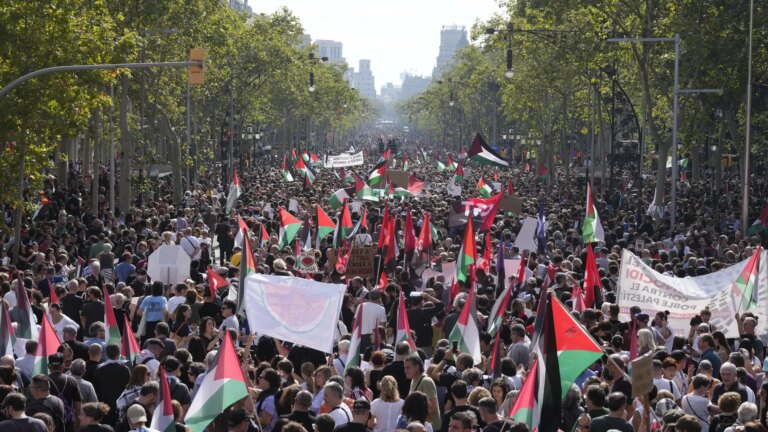
To do. There are no great remedies in our constitutional system to oust a president who does not want to leave, unless the popular clamor in the street was such, as has happened with Mazón in Valencia. But Sánchez will not resign until he is fired.
The question that arises is, How could situations like the one described be avoided in the future? One solution would be to strengthen the powers of the Head of State so that, in situations of constitutional crisis, he can force the dissolution with the endorsement of the President of the TS and with a mandatory opinion from the Council of State. This would require an aggravated constitutional reform, which makes it difficult, if not impossible.
Another, more possible one would consist of modifying article 134 CE in the sense of requiring that if a Government, after calling elections, fails to approve the PGE the year after its formation, it will present its resignation. With the addition that if he fails to approve the budgets in two consecutive years, he will be subject to a question of confidence. This reform would be simpler when processed through the less aggravated procedure of constitutional reform.
A last resort would be to modify article 102.2 CE on criminal responsibility of the president, or the Penal Code, which would require classifying a criminal modality against the security of the state when a President with his actions seriously disturbs the normal development of constitutional institutions, illegitimately clinging to power.
The constitutionalism of the 20th century, in particular the so-called rationalized parliamentarism of Mirkine-Guetzévitch, which inspired many European constitutions of the post-world war, including the Spanish one of 1978, fell short in envisaging solutions to address situations like the ones we are experiencing in our country.
One could speak of constitutional law in crisis, to which its interpreters do not see themselves capable of providing a reasonable solution. If it continues until 2027, more than one bridge will have been blown up.