“Salaries are lower than in Germany but pensions are higher”

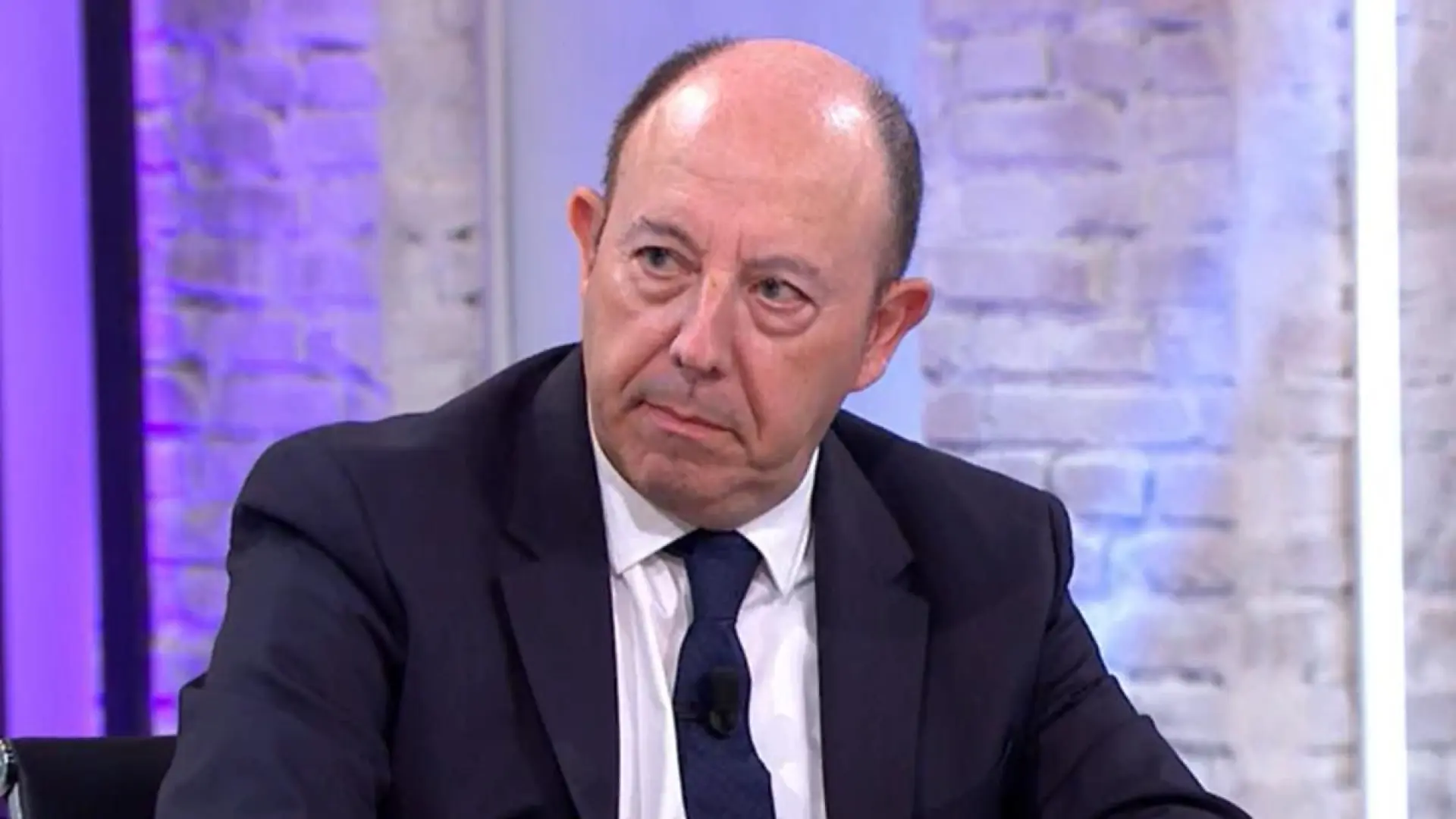
Gonzalo Bernardos is already a recognized panelist on different programs. Particularly those that address topics such as home finances, mortgages, savings, etc. Now, in a video released by Global ConsumerBernardos chooses to talk about pensions and is forceful with a topic that is generally a cause for debate: whether public pensions They are generous or, on the contrary, they are completely insufficient.
As is public knowledge, the level of pensions in Spain, in proportion to the last salary received, It is one of the highest in the developed world. Bernardos, in fact, explains that Spain is the second OECD country where retirees earn more in relation to their last salary, reaching 83% in net terms.
How is the pension calculated in Spain?
The calculation of the pension depends essentially on two factors: how much has been quoted and for how many years. “You charge according to what you have previously contributed, either in amount or in number of years. These are the two essential variables,” he says. In other words, the compensation system is designed to preward those who have contributed the most and for the longesta principle shared with other European models.
However, the Spanish difference, according to Bernardos, lies in the money that the State injects to cover the gap between what is collected and what is paid. The Spanish State finances a significant part of pensions, something that occurs to a lesser extent in other countries, such as Germany.
Countries like Germany or the United Kingdom, which Retirees earn in relation to their last salary is around 50-60%compared to the 83% maintained by the Spanish. This means that our country’s pensioners continue to live with a large part of their purchasing power after retiring. Even so, Bernardos highlights that this phenomenon has a double edge: on the one hand, it protects the well-being of the elderly; on the other, strains public finances.
The problem with the Spanish pension system
“Spain is a country where at 65 years of age the life expectancy is 21 years. According to various studies, What retirees pay is only enough to cover between 11 and 13 years“, This is how Bernardos summarizes the main problem of the system. That is, the contributions of an average worker do not cover even two-thirds of the time they will be receiving a pension. The difference, once again, is financed with public resources.
“Salaries in Spain are lower than in Germany, but Spanish pensions are higher than German ones,” Bernardos says. Germany is considered the benchmark of efficiency and economic rigor in Europe, and yet many of its retirees must continue working or resort to aid to make ends meet.