The anti-bukele proposal is only yesterday’s policy for today’s Bitcoin
-
While Congress debates pro-bitcoin laws, there are senators pointing to the past.
-
It is not about corruption, the proposal seems to seek a punishment for the sovereignty of El Salvador.
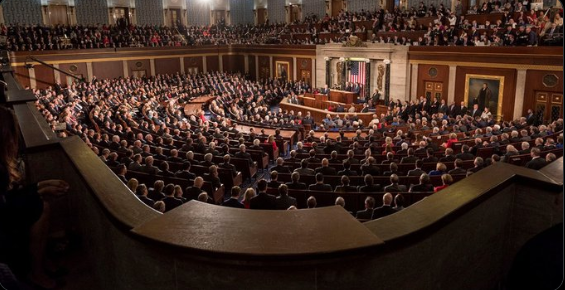
In Washington’s halls, time sometimes seems to move at a different speed. And at present, while the United States Congress actively discusses a regulatory future for cryptoactive with bills such as the clarity of the Digital Assets and Genius market, a group of Democratic senators decided to dust off the old manual of anti-bitcoin hostility that reigned during the Joe Biden government.
The proposal, led by Democratic senators Chris Van Hollen, Tim Kaine and Alex Padilla, proposes to sanction Nayib Bikele, El Salvador and audit their strategy with Bitcoin. It is not really a legislative avant -garde act; but rather It is an anachronism, the echo of a policy that already smells to the past.
Although this initiative does not reflect a dominant trend in the current panorama, we can analyze it as part of the Bitcoin regulatory trend because it represents a significant counterpoint.
This legislative zombie illustrates the clash between financial and geopolitical paradigms of the past and the emerging. Far from being a trend, the initiative of the Democratic senators highlights, paradoxically, the relevance of current regulatory debates, showing how outdated the positions that resist change towards a more decentralized financial system are.
The last Zombi Anti-Bitcoin arrived at Congress
The Anti-Bukele bill and its strategy with Bitcoin is presented under the veil of the fight against corruption and the defense of human rights. However, its structure and its moment betray their nature. It allows us to really be the last layer of the Biden era, an administration characterized by its skepticism and its punitive approach to the bitcoin industry and cryptocurrencies.
At that time, attacking Bitcoin was a politically safe and consistent stance with the White House narrative. Today, in a government with a declared pro-bitcoin inclination such as Donald Trump, This proposal not only seems out of place, but strategically clumsy.
This contrast is not trivial. The legislative debate in Washington has evolved. The conversation is no longer about whether Bitcoin must be prohibited, but about how it should be integrated safely and efficiently in the traditional financial system.
Today, politicians with anti-writing posture are a minority in the United States, both on the democratic and republican side, as reported by Cryptonotics last year.
In this renewed legislative scenario, it seeks to create a framework for the stablcoins with the proposal of law genius. They are also intended to define the clear rules for exchanges and custodians, with Clarity Law.
They are complex efforts, bipartisans in spirit, which They recognize the inevitability of this new kind of assets. In this context, a law that seeks to punish a sovereign nation for adopting Bitcoin as a legal tender seems less a defense of democracy and more an ideological tantrum against a paradigm shift that can no longer be controlled.
A bill fed by old practices
What really underlies this proposal is a reflection of old control policies, which arise as fossils in the modern era. This is because, for decades, the United States has used its mastery of the global financial system as a tool of geopolitical power, and therefore, these customs remain as practices in the era of the old guard.
The sanctions, the IMF pressures and the control over the SWIFT system have been the instruments for Disciplinary to the nations that deviate from economic orthodoxy dictated from Washington.
However, Bitcoin’s adoption by Nayib Bukele is a direct challenge to that model. It is an act of financial sovereignty that, although imperfect and controversial, demonstrates that a nation can opt for a decentralized monetary system and out of the reach of the Federal Reserve.
They insist on the practice of trying to send a clear message to any other country that considers following the steps of Bukele. That is, dare to challenge the status quo of the dollar and face a great financial arsenal.
Ultimately, the initiative of these senators is intended to become a legislative relic. It clashes frontally with the new political direction of its own country and underestimates the strength of a technological and financial movement that is already global. While Washington learns to live with Bitcoin, this proposal clings to a confrontation past that has no place. It is not a law for the future; It is the nostalgia of a control that fades.
Discharge of responsibility: The views and opinions expressed in this article belong to its author and do not necessarily reflect those of cryptootics. The author’s opinion is informatively and under no circumstances constitutes an investment recommendation or financial advice.