The black olive sector demands that retaliations against the US endorsed by the WTO be applied now if it does not withdraw the tariffs

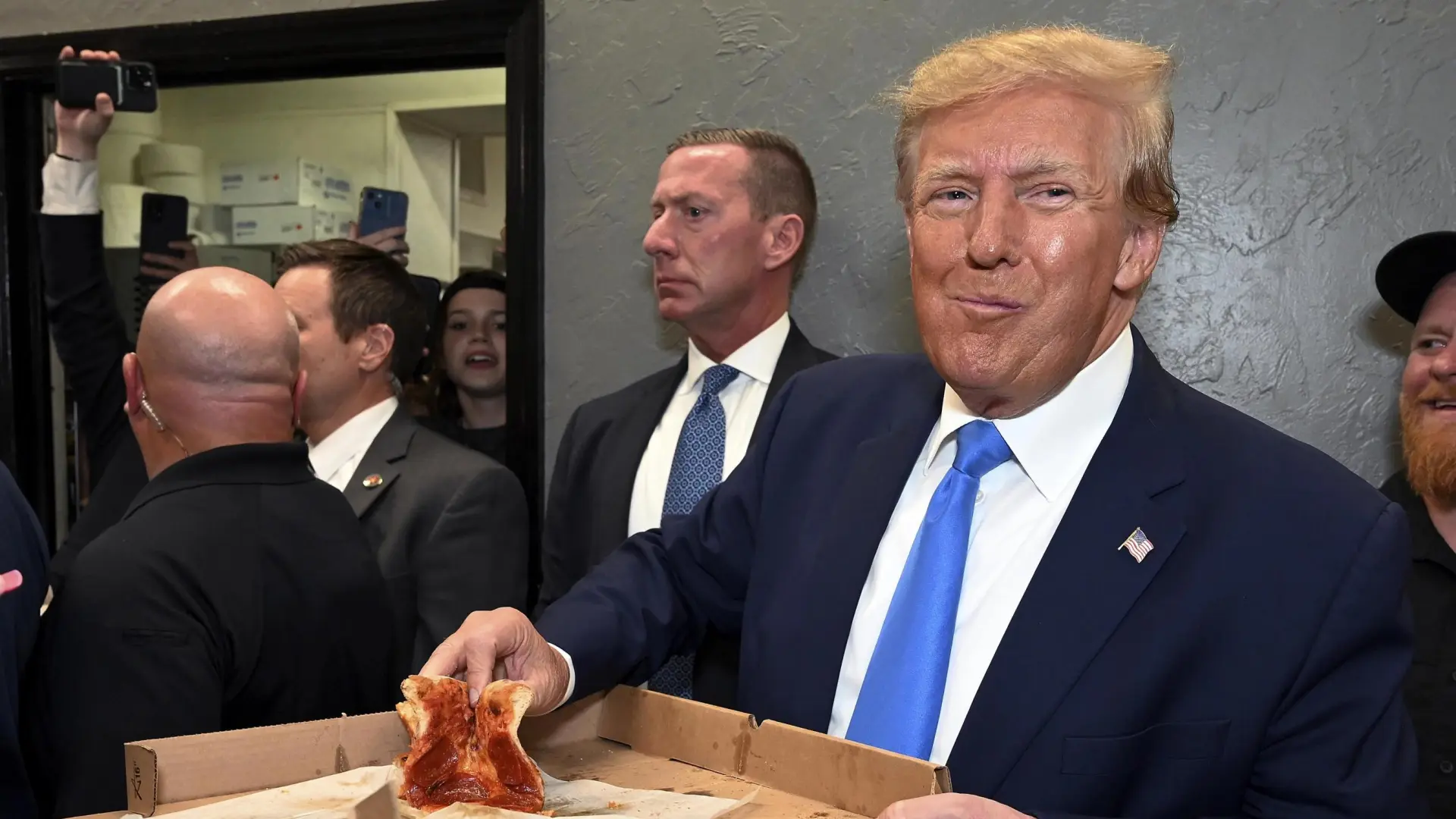
The table olive sector asks the European Commission and the Government to urge the administration trump to remove these surcharges as soon as possible. It does so after the favorable arbitration of the World Trade Organization (WTO), which has authorized the European Commission to apply measures against the United States for 11.7 million euros (13.64 million dollars) if it does not withdraw the 35% tariffs on black olives, which it imposed on August 1, 2018. It is a highly demanded complement for pizzas. In statements to ’20 Minutos’, the general secretary of the Association of Exporters and Industrialists of Table Olives (Asemesa), Antonio de Mora, highlights that the WTO decision is “a full support for Spain’s claims and the table olive sector who have defended the full legality of agricultural aid from the European Union (EU)” and asks both the Government and Brussels to “not hesitate to apply the retaliation authorized by the WTO if the United States does not voluntarily comply with the resolution and does not eliminate all tariffs.”
The United States applies a 35% tariff to Spanish black olives since August 1, 2018, now reduced to 31%: 20% for alleged ‘dumping’ and another 11% for “illegal” aid from the Common Agricultural Policy (CAP).
“We have lost 70% of exports to the US”
Spanish black olives have been subject to a 35% tariff in the United States since August 1, 2018 (now reduced to 31%). It is composed of 20% for alleged ‘dumping’ against local producers and an additional 11% for “illegal” aid from the Common Agricultural Policy (CAP). The adoption of this measure occurred after a complaint from Californian table olive producers during the first administration of Donald Trump. De Mora (ASEMESA) points out that “although we have lost 70% of exports to the United States“We are still among the top three exporters, but Egypt has already surpassed us and Morocco is very close.” The tariff has already cost them, according to ASEMESA estimates, about 300 million dollars in this period.
From Cooperativas Agro-alimentarios they hope that “this new favorable decision will allow increasing pressure on the United States” and agree that the only valid solution is “the immediate withdrawal of these unjust tariffs.” In this sense, Cooperatives recalls that the Dispute Settlement Body of the World Trade Organization (WTO) has ruled against these tariffs “in two cases” considering them illegitimate within international regulation and criticizes that imports of black olives from the United States, far from decreasing have continued to increase “simply changing the origin of products” in reference to countries such as Egypt, Türkiye or Morocco, which would have occupied part of the space left by Spain.
“We do not feel sufficiently supported from an economic point of view”, Antonio de Mora (ASEMESA)
No changes to the tariff agreement
Asked if the recent trade agreement between the EU and the United States, reached this summer, Antonio de Mora (ASEMESA) confirms that “Similar tariffs have been imposed on Turkey, Morocco and Egypt to ours, as well as the other European countries. Therefore, we have not noticed it. “There has been no major change from August’s reciprocal tariffs.”
Without financial aid or compensation
Both this employer association and the Agri-Food Cooperatives appreciate the defense made by the European Commission and the Ministry of Agriculture of their claims. However, the secretary general of ASEMESA He points out that “we do not feel sufficiently supported from an economic point of view” and regrets that neither the Government nor Brussels have approved compensatory mechanisms against the losses that the tariffs have inflicted on them. Which forces them to face the decline in exports without these guarantees. “This has not been considered a crisisjust as they would have done with the farmers,” says De Mora. For its part, Cooperatives warns that “every day of delay aggravates the economic and reputational damage to a cooperative sector that represents excellence, sustainability and global leadership in the table olive market.”