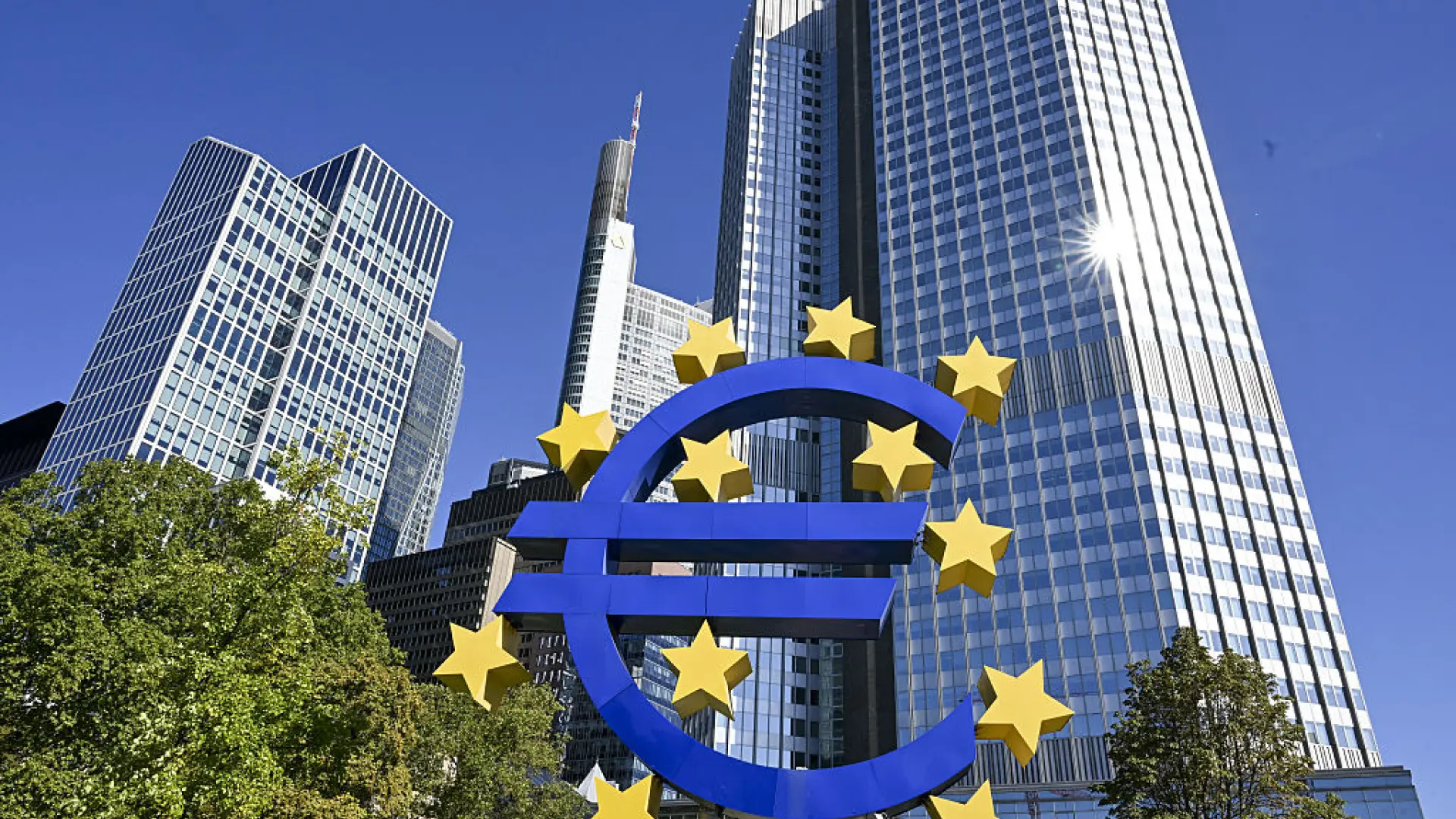
The ECB does not rule out new “peaks” of uncertainty due to the trade war and tariffs

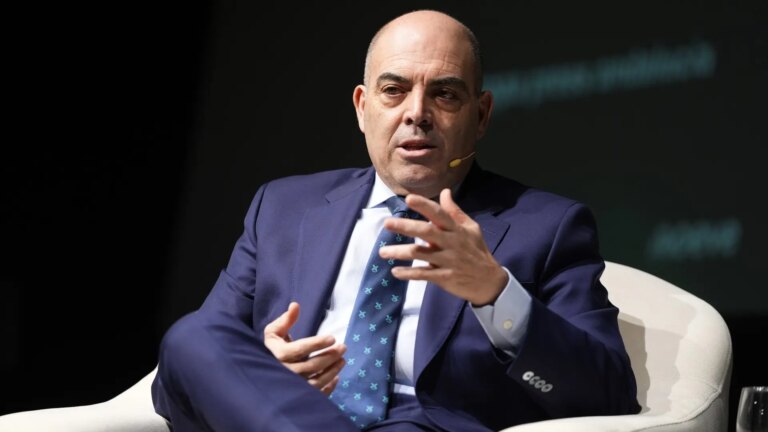
Uncertainty around trade policy has reduced markedly from its April highs, but it persists and “new peaks” cannot be ruled out. It is one of the warnings issued by the vice president of the European Central Bank (ECB), Luis de Guindos, in the November ‘Financial Stability Report’ that the entity published this Wednesday. She’s not the only one. The document also warns of possible tensions due to the structural measures that must be applied in strategic areas: on the one hand, increased defense spending, and on the other, digitalization, low productivity, the aging of the population and climate change.
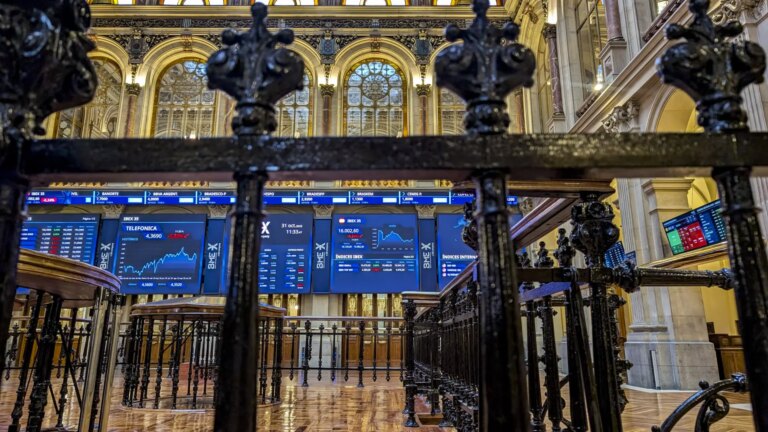
Doubts about trade agreements and the long-term economic and financial effects of tariffs remain unclear. Thus, although global stock markets have reached new all-time highs since April and credit spreads are “tight” in historical terms, financial markets in general, and stock markets in particular, “remain vulnerable to sudden adjustments.” due to persistently high valuations and increasing equity market concentration“says the document.
ECB economists warn that market sentiment could change sharply due to, for example, deteriorating growth prospects or discouraging news on the adoption of artificial intelligence (AI). “Liquidity imbalances in open-ended investment funds, high-leverage niches among hedge funds and opacity in private markets could intensify market tension,” he adds.
Added to the above is the pressure on public finances that some advanced economies are already under and that could generate tensions in global bond markets. This could affect the financial stability of the region if euro fluctuations occur that reduce the competitiveness of the goods exported by the area and also increase its financing costs.
Risks of increased defense spending or low productivity
The ECB is also concerned about the risks arising from higher issuance needs and higher financing costs due to the necessary increase in defense spending, and secondly, due to structural challenges such as digitalization, low productivity, aging population and climate change. Regarding the private sector, while companies and households have cleaned up their balance sheets in recent years, as the impact of tariffs spreads, “the business sector remains vulnerable.” If layoffs occur, the “capacity to pay household debt would also be affected,” the entity adds.
Similarly, and despite the fact that Eurozone banks have demonstrated resilience in the face of recent disruptions thanks to solid profitability and ample capital and liquidity buffers, exposure to corporate credit risk whose businesses are more sensitive to tariffs “It could undermine the performance of bank loans,” adds the organization led by Christine Lagarde.
To ensure the resilience of the financial system to this highly uncertain environment, the central bank sees it necessary to “maintain capital buffer requirements and borrower-based measures to preserve sound lending standards.” Furthermore, the growing market presence and interconnectedness of non-banking entities requires a comprehensive set of policy measures that strengthen the resilience of the non-banking financial intermediation sector. “Such resilience would also contribute to boosting the integration of the capital markets of the euro area,” the ECB concludes.