The Government reduces the VAT on oil to 0% only for three months and on October 1 it will rise to 2%
The Government approved this Tuesday in the Council of Ministers a new decree to face the consequences of price increases, which reflects the promised reduction of VAT on olive oil to 0%. Nevertheless, This zero rate will only be in force for three months, until next September 30. As of October 1, VAT will rise again to 2% until the end of the year and then will remain structurally at 4%. The percentage that is generally applied to foods that are considered part of the basic household consumption basket.
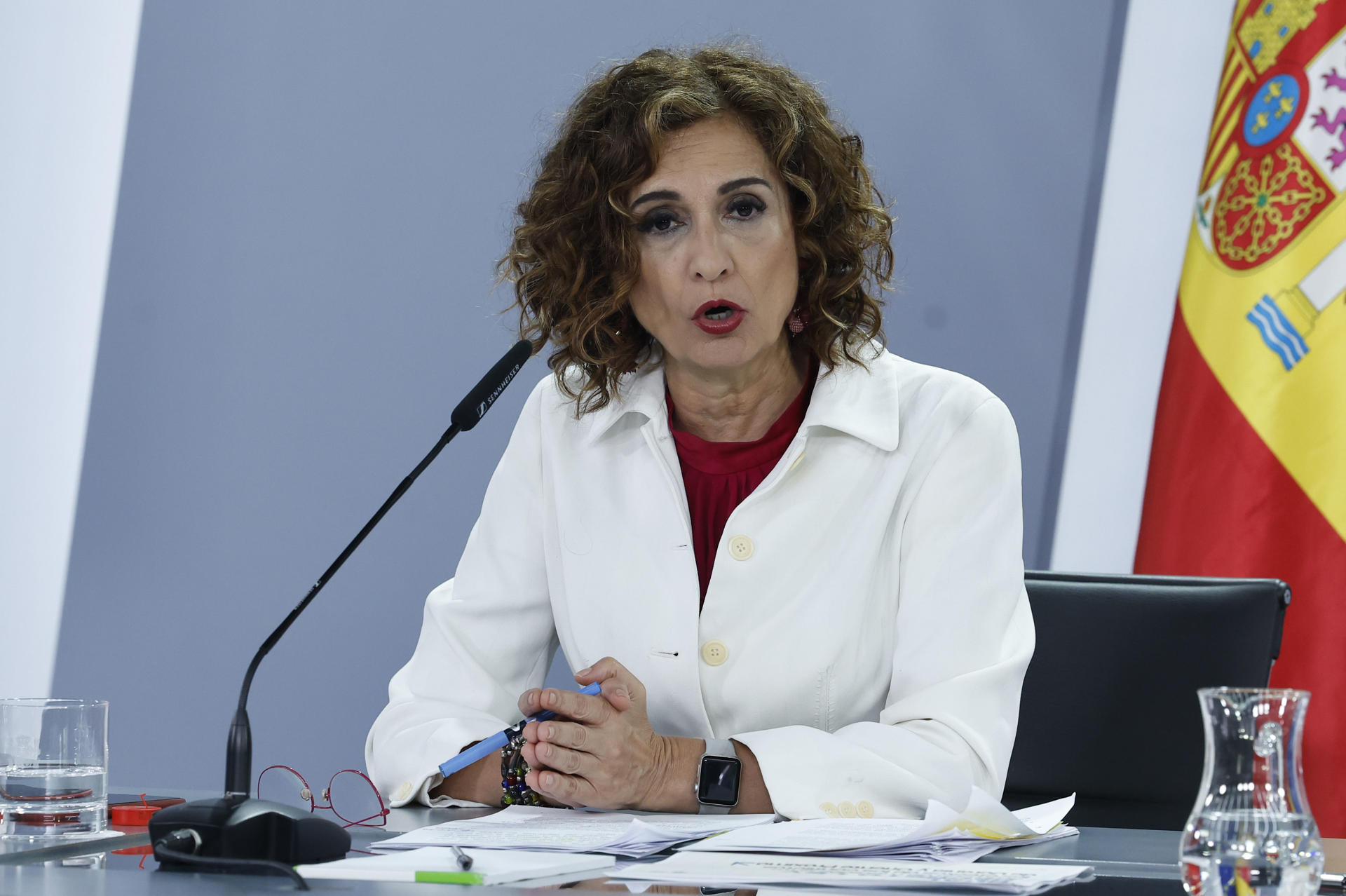
This has been indicated by the first vice president of the Government and Minister of Finance, María Jesús Montero, who has justified this decision by arguing that a moderation in inflation is expected for the last quarter of the year. “We will accompany the families as long as necessary. The Government’s forecast is that starting in the last quarter there will be a practical normalization of the inflation situation and, therefore, the measures would decline,” Montero explained.
Beyond lowering the VAT on olive oil to 0%, the Government has also decided to extend the zero rate that the rest of the foods in the basic basket already enjoy. That is, bread; flour; milk; cheeses; eggs; fruit; vegetables; vegetables; legumes; tubers and cereals. However, this zero rate will be in effect only until September 30. On October 1, VAT will rise to 2% and will remain at that level until December 31.

After that date – unless the Executive chooses to maintain the reductions also in 2025 – the VAT on these products will return to the usual 4% they had before the first food tax reduction was approved in January 2023.
The rest of the foods with special tax benefits—the pasta and the seed oils— They will also keep their VAT reduced to 5% until September 30. After that date, it will be established at 7.5% until December 31 and will likely return to the general 10% that applies to all foods from January 2025. In total, the Executive estimates the amount at 1,036 million euros. savings for taxpayers (or the cost for public coffers) of all the measures adopted on this tax.
The Government rules out intervening in the market
The vice president has ruled out intervening in the markets to control prices, as Sumar, a PSOE partner in the coalition government, has claimed on several occasions. In this sense, the vice president has indicated that agricultural activity cannot allow itself to sell at a loss.
“We have been observing the market carefully for some time. Regulatory bodies have concluded that there has been a pass-through to prices.” [de la rebaja del IVA]. That does not mean that we in the Government are concerned and that is why we have not yet withdrawn the measures that allow us to alleviate that burden,” Montero concluded.

Food inflation reduces
Inflation affecting food has moderated considerably in the last year. Price increases reached 16.6% year-on-year in February 2023, but in May 2024 the price increase was reduced to 4.4%. The Bank of Spain’s forecasts suggest that price increases will continue to moderate in the coming months.
Food is the third product that rose the most in price last month, only behind restaurants and hotels and housing supplies (mainly electricity). Of the 49 CPI subclasses that are still above general inflation of 3.6%, 15 were food. With special mention to olive oil (63% more expensive than a year ago), fruit juices (16%), fresh fruit (12%), chocolate (9.2%), fish (6.7 %) or potatoes (6.5%).
The fact that price increases are moderating does not mean that the accumulated balance of the inflationary crisis is devastating: Food is now 30% more expensive than three years ago, when prices began to rise across the board. In that same time, the salary paid by companies per worker has increased by 14.2%.