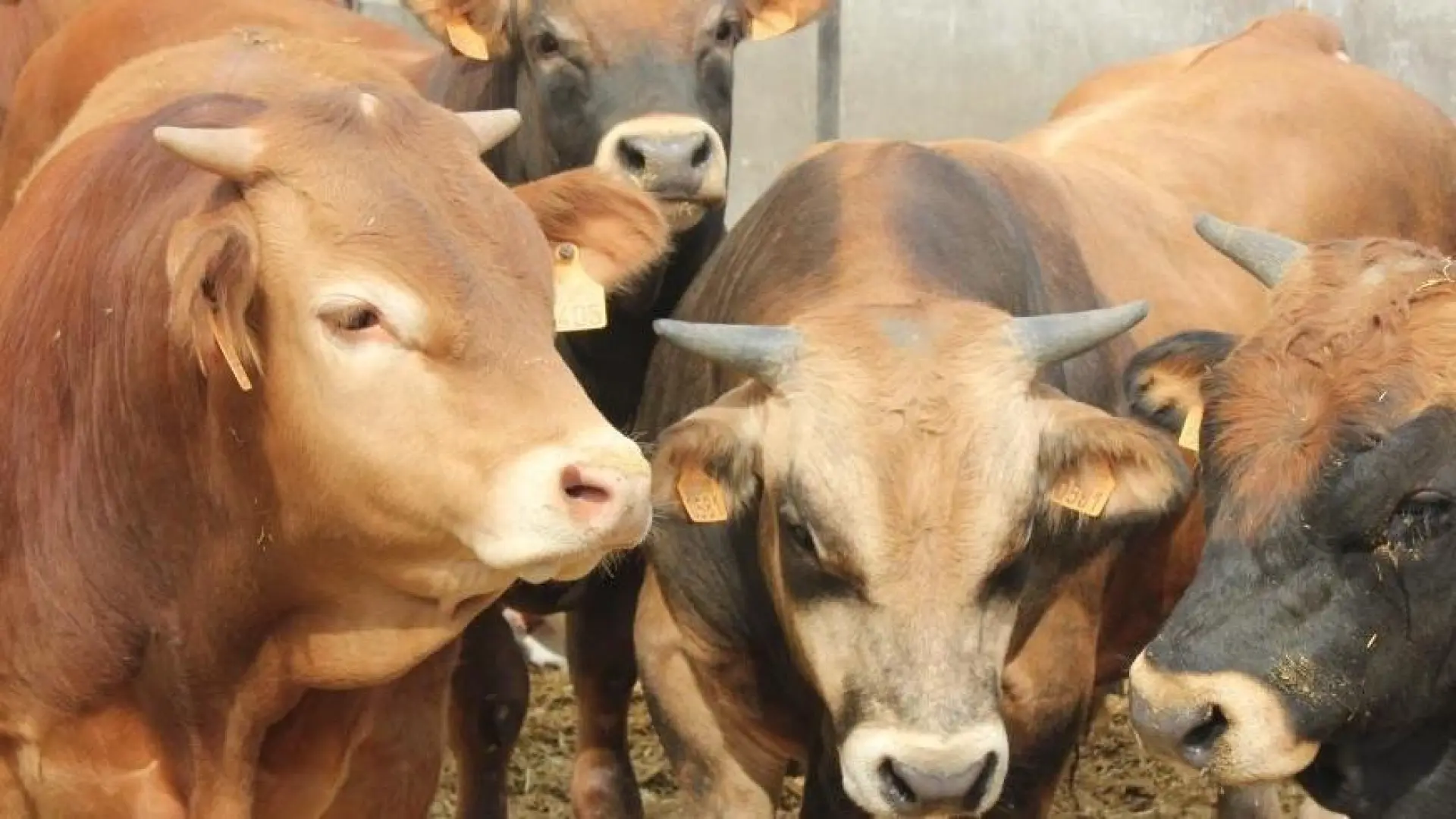
The Government sends a plan to Brussels to expand vaccination against Dermatoses and limit the crisis in cattle
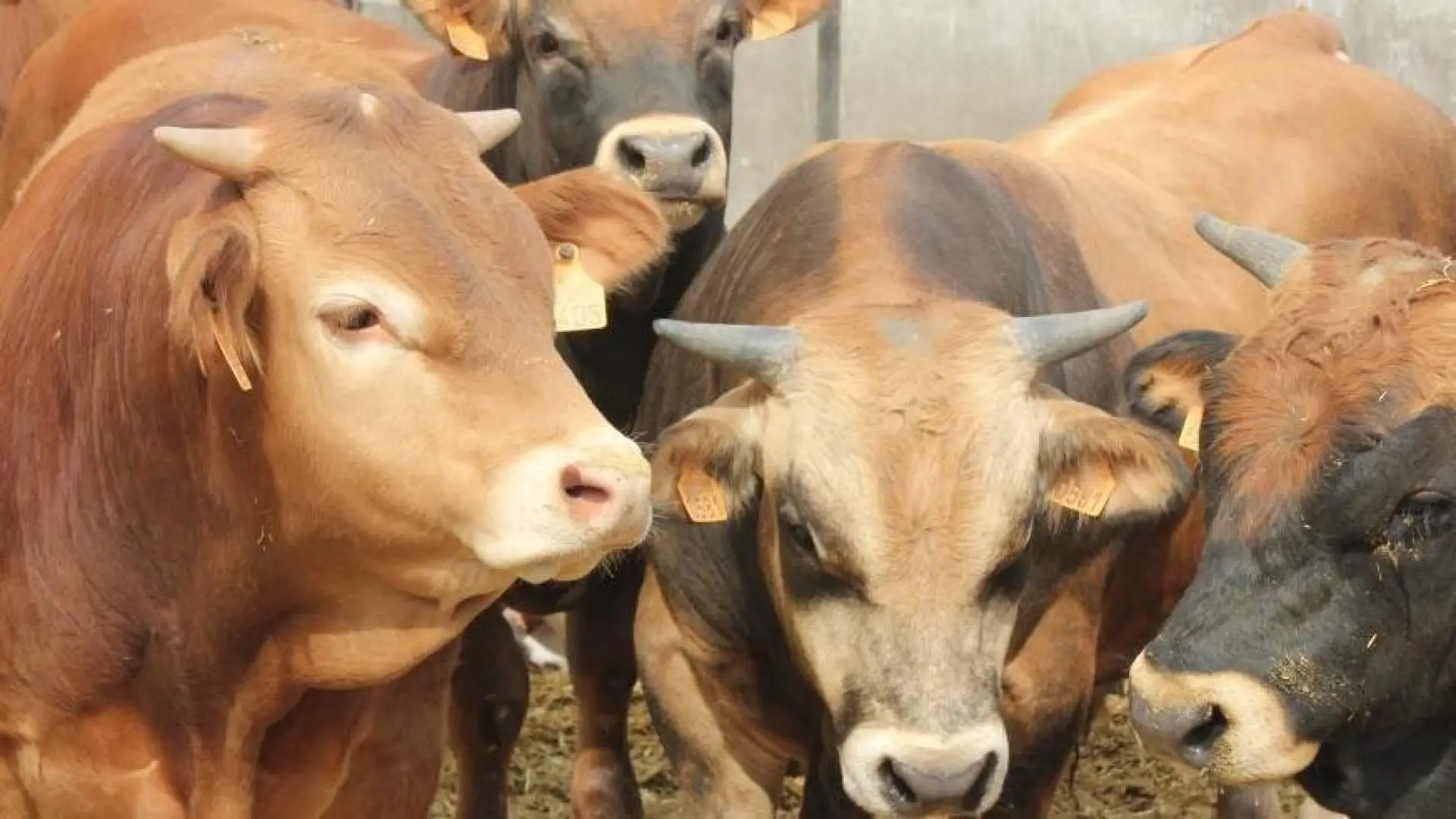
The Contagious Lumpy Dermatoses (NCD) bovine infection, caused by a virus of the Poxviridae family and characterized by complex symptoms (fever, nodules on the skin, mucous membranes and internal organs as well as skin edema) has become a real headache for dairy cattle farmers. To date, they have been counted a total of 18 spotlights in this Catalan province, already affecting around 865 animals. The Ministry of Agriculture has proposed a new vaccination plan to Brussels, which extends its administration to more regions of Girona and three others of Aragon. This would mean vaccinating almost half a million more animals, as well as expanding these measures to 2,849 new farms. The virus, which is not contagious to humans, has had a significant impact on the sector since its appearance at the beginning of the month: Exports to countries such as Morocco and Lebanonas well as suspended several professional livestock fairs throughout Spain.
The objective of the proposal sent to the European Commission, which has yet to review it from a technical point of view, in the words of the general director of Health of Agri-Food Production of the Ministry of Agriculture Emilio García Muro, pursues “isolate the virus and protect the rest of Spain”. Specifically, if the European authorities give the green light, a new vaccination zone would be approved that would include new regions in Girona and three belonging to neighboring Aragon. This would mean adding 2,164 more farms in Catalonia and 685 Aragonese farms to the vaccination, which would add up to 455,709 animals. Currently, the Catalan veterinary services are administering the vaccine in 2,003 farms in the area affected by the outbreaks. This is more than 152,000 animals. The representative of the Ministry hopes that the “go fast” procedure and explains that normally in Brussels they opt for “positive silence, through a rapid 24-hour procedure.”
The Government announced this Tuesday, during the meeting of the Committee of the Veterinary Health Alert Network of Spain (RASVE) the emergency purchase of 660,000 euros in vaccines to implement the new roadmap sent by the Commission and obtain a stock for contingencies. García Muro guarantees that they have enough units “to face the worst challenges.” That is, the virus jumps to other areas of Spain. “Everything necessary will be done against this emerging and rapid disease,” says the head of animal health at the Ministry of Agriculture, who recognizes that the deadlines for requesting them are not simple and that the Commission’s own fund, made up of 82,000 doses, has played a fundamental role in this context. In addition to a loan from the French government that has allowed get approximately 300,000 doses. “Enough to cover the current restriction zone and beyond,” says the senior official.