The Treasury Inspectors call to “protect the integrity of the tax system” and warn of “complex times”
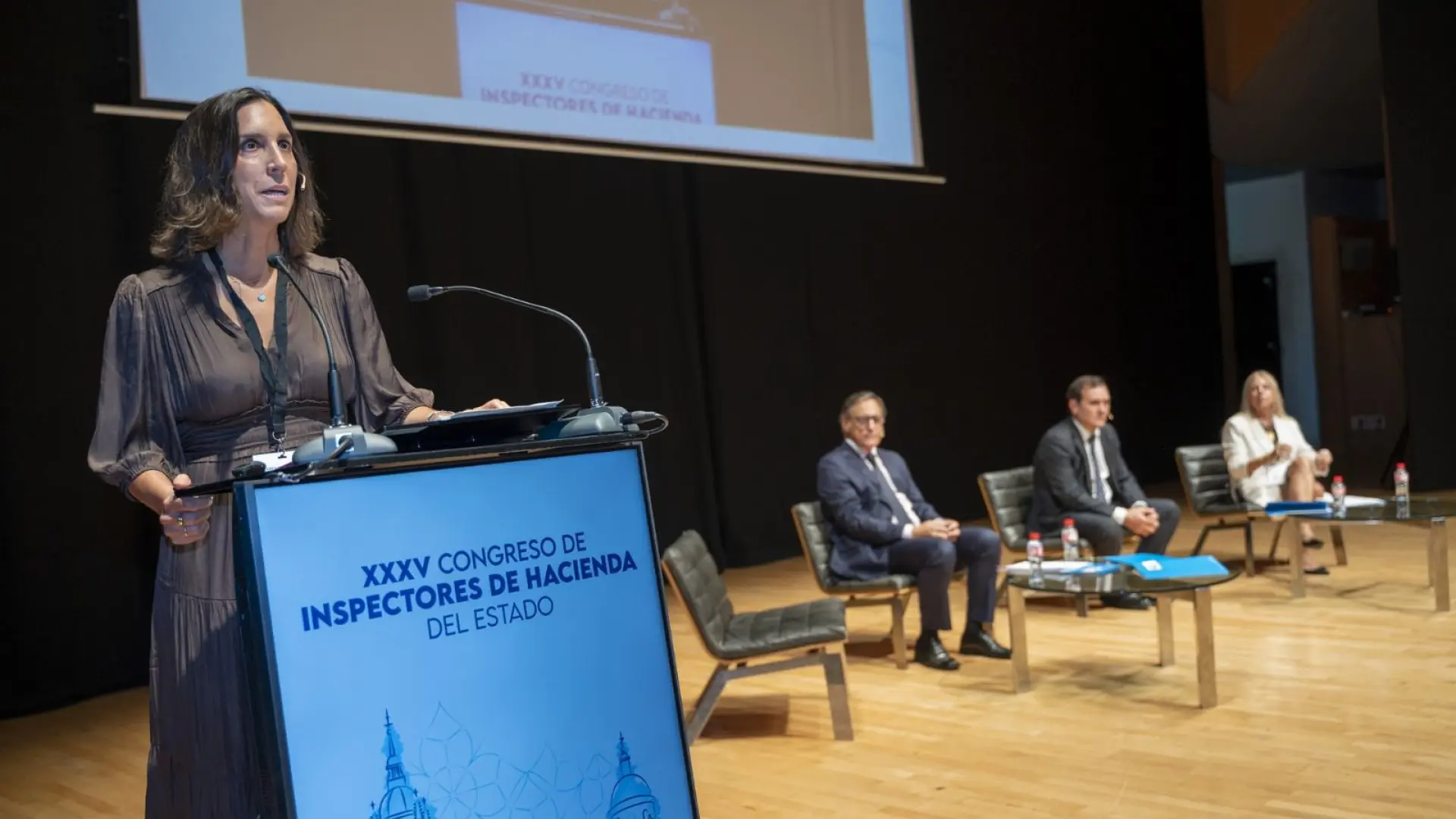
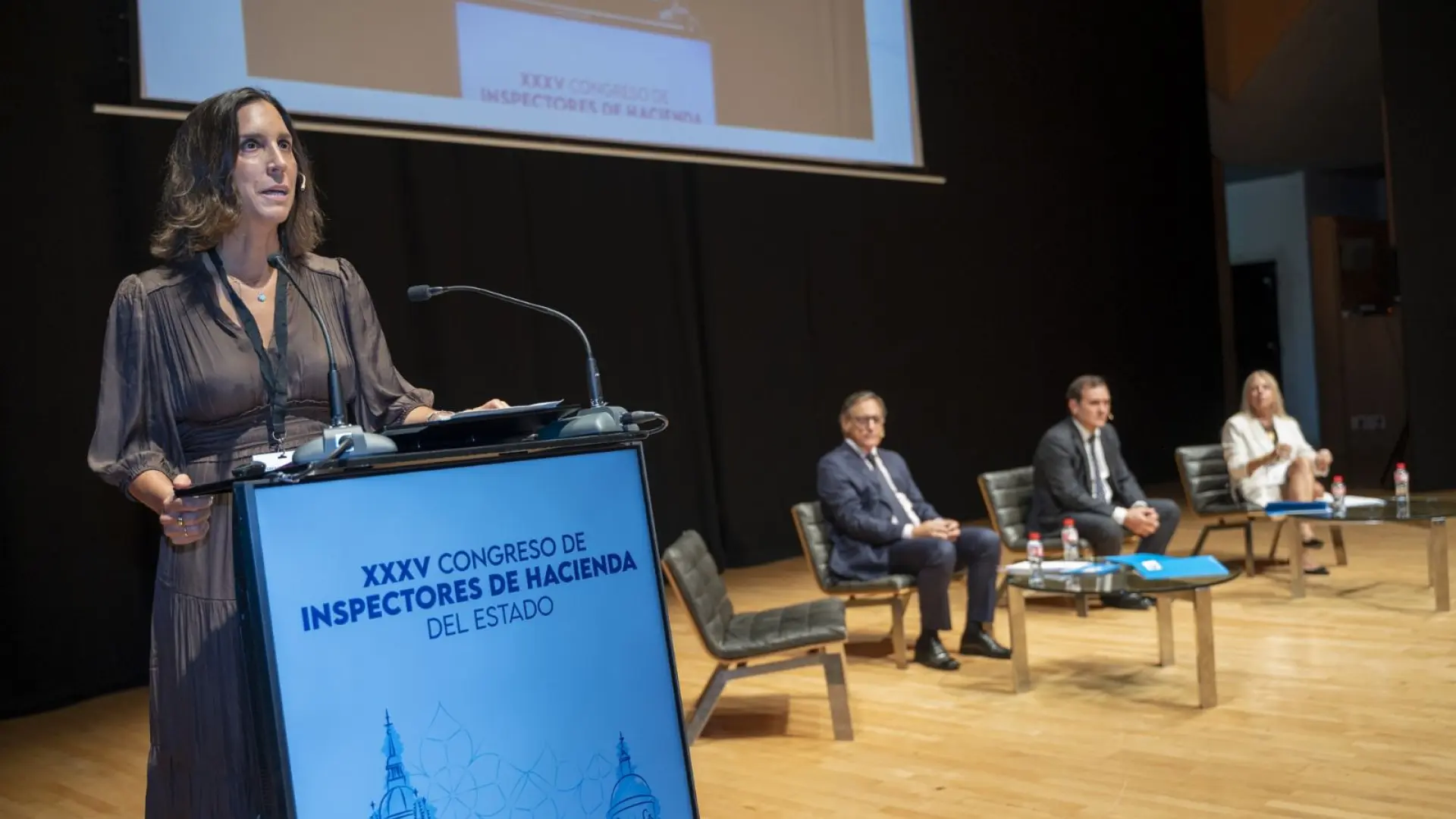
“Maximum alert because we live in more than complex times”. This phrase condenses the vision of the group of Tax Inspectors (IHE) on the challenges faced by the Spanish tax system and their professional work. Its author is Ana de la Herrán, president of IHE, who, with these words, has given the starting signal to the XXXV Congress of State Treasury Inspectorswhich started this Thursday in Salamanca. Between Thursday and Friday, some 650 Treasury Inspectors from all corners of the country will pass through the facilities of the Salamanca Congress Palace.
In his brief opening speech, De la Herrán launched an argument in which has called to defend “the integrity of the tax system” and “care for the resources that sustain the goods we take for granted.” “The School of Salamanca taught us that There is no good Government without conscience and that the law, to be legitimate, must serve the common good”, The president of IHE has transferred. Some statements that are produced against the backdrop of the Catalan singular financing agreement that the Government and the Generalitat are currently negotiating.
This proposal includes several elements that are reminiscent of the quota system that governs the Basque Country and Navarra and has been harshly criticized by the association of inspectors since it first emerged in the agreement between PSOE and ERC to invest Pedro Sánchez. Although the Generalitat and the Government have signed an agreement to develop singular financing, this has not yet been reflected in a regulatory proposal.
The association of Treasury Inspectors has questioned the constitutionality of the Catalan ‘quota’ on numerous occasions. They maintain that, if carried out, “it would dynamite the tax system” and “break up” the Tax Agency (AEAT). Furthermore, according to his criteria, the financing changes proposed for Catalonia would reduce the tax revenues of the rest of the communities and bring closer the “disappearance” of the State, which would be left without funds to finance its functions.
The Generalitat is already working on one of the first steps of singular financing, which would be the transfer of management, collection and settlement of personal income taxthe main tax by volume of income in the country. To this end, it has reinforced the Catalan Tax Agency (ATC), a movement that is viewed with suspicion by the association of inspectors, who fear that there may be transfers of personnel from the AEAT to the ATC.
Beyond the defense of the integrity of the tax system, De la Herrán has cited some of the most important challenges for the Treasury Inspection in this change of era. Among them, the globalization, tax competition, artificial intelligence, the sustainability of the public and the “balance of power between the State and the rights of citizens.”