What is a pacemaker and what is it for
The pacemaker is an implantable device that regulates heart rate in people with arrhythmias, improving their quality of life. Discover how it works, when implanted, the types that exist, possible complications and essential care after surgery.

Degree in Medicine and Surgery (Autonomous University of Barcelona)
Internal Medicine Specialist (Bellvitge University Hospital)
Master in Scientific, Medical and Environmental Communication (University Pompeu Fabra)
Pacemakers are implantable medical devices designed to regulate heart rate in patients with heart rate disordersthat is, disorders of the electrical conduction of the heart. Its main function is to send electrical impulses to maintain adequate heart rate, avoiding dangerous bradycardia or severe cardiac locks.
How do pacemakers work?
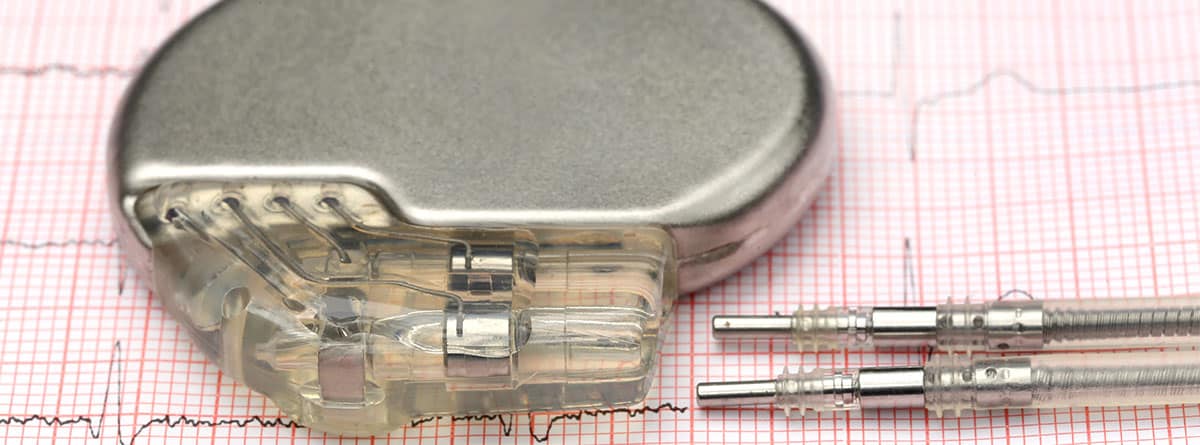
The pacemaker consists of two main components:
- Impulse generator: A small device that contains the battery and electronic circuit that generates electrical impulses.
- Electrodes (Stimulation cables): Fine cables that connect the generator with the heart, transmitting electrical impulses when the heart rate is too slow.
Pacemakers can be scheduled for detect the heart rate of the patient and activate the impulses only when necessaryguaranteeing efficient functioning and adapted to the patient’s needs.
Implantation of the pacemaker
The implementation of a pacemaker is indicated in patients with arrhythmias or heart rate disorders that cannot be controlled with medication. Some examples are Severe symptomatic bradycardia, high -grade auriculooventricular block, sinus node dysfunction, sick breast syndrome or heart failure with ventricular dissiminchony (in certain cases).
The implementation procedure is relatively simple and is performed under local anesthesia or sedation. It consists of introducing the electrodes through a main vein (usually the subclavian) and placing them in the heart under fluoroscopic guide. Then, the generator is located in a subcutaneous pocket, usually in the pectoral region. Surgery usually lasts between 60 and 90 minutes and the patient can be discharged in 24 hours.
Types of pacemaker
Pacemakers can be classified according to:
- Unicameral pacemakers: They stimulate a single chamber of the heart (atrium or ventricle).
- Bicameral pacemakers: They stimulate both the atrium and the ventricle, allowing a more physiological synchronization.
- Biventricular pacemakers: Used in patients with heart failure to improve the synchrony of blood pumping (cardiac resynchronization therapy).
- Cable -free pacemakers: More modern and miniaturized devices that are implanted directly in the heart without the need for stimulation cables.
Potential complications with pacemaker
Despite being a safe procedure, the implementation and use of pacemakers can present some rare complications, including:
- Implant site infection: It can occur shortly after surgery or even months later, requiring antibiotic treatment or the withdrawal of the device.
- Electrode displacement: Cables can move from their original position, affecting the effectiveness of the pacemaker. Normally you have to reposition them.
- Pneumothorax or hemothorax: During the placement of the electrodes, the lung or a blood vessel can be accidentally drilled. It is very rare in expert hands.
- Device malfunction: Fallings may appear in the generation of impulses, signal transmission or premature battery exhaustion.
- Electromagnetic interference: Some electrical devices can affect the operation of the pacemaker if it is not properly protected.
- Allergic reactions or rejection of pacemaker materials, although it is rare.
- Venous thrombosis in the vein where electrodes are inserted, increasing the risk of vascular complications.
Pacemaker care
After the placement of the pacemaker, the cardiologist will carry out periodic reviews to evaluate the operation of the device and the battery charge, will adjust the stimulation parameters according to the patient’s evolution and evaluate possible interference with electrical devices or powerful magnets. Mapfre’s health insurance has a great medical picture of cardiologists who can advise and advise you during the process.
Calculate your price
The patient must follow certain recommendations to guarantee proper functioning and avoid complications:
- Avoid blows in the implant area.
- Do not expose yourself to intense magnetic fields such as magnetic resonances (except if the pacemaker is compatible).
- Inform doctors and dentists about the presence of the device before procedures.
- Monitor the appearance of symptoms such as dizziness, fatigue or fainting, which could indicate a malfunction.
What you should know …
- The pacemaker is an effective solution for heart rate disorders, improving the quality of life and reducing the risks associated with severe arrhythmias.
- With the advances in technology, these devices continue to evolve, offering safer options and adapted to the individual needs of each patient.
- Proper monitoring and compliance with recommended care guarantee their optimal functioning and prolong their useful life.
Posted by Dr. Miriam Anglada Oriol