What Spain is at stake in the negotiation of TAC and quotas for 2026
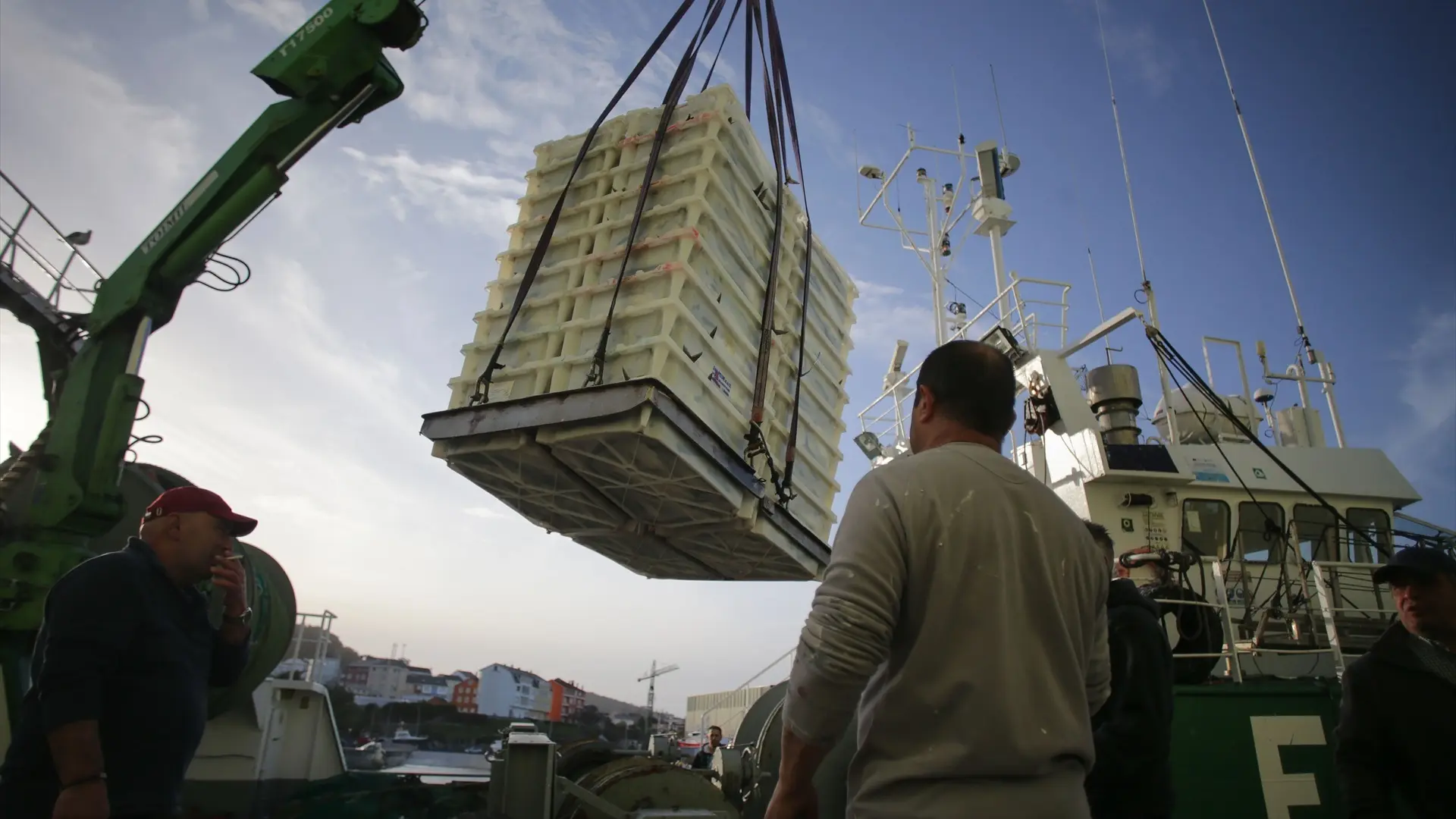
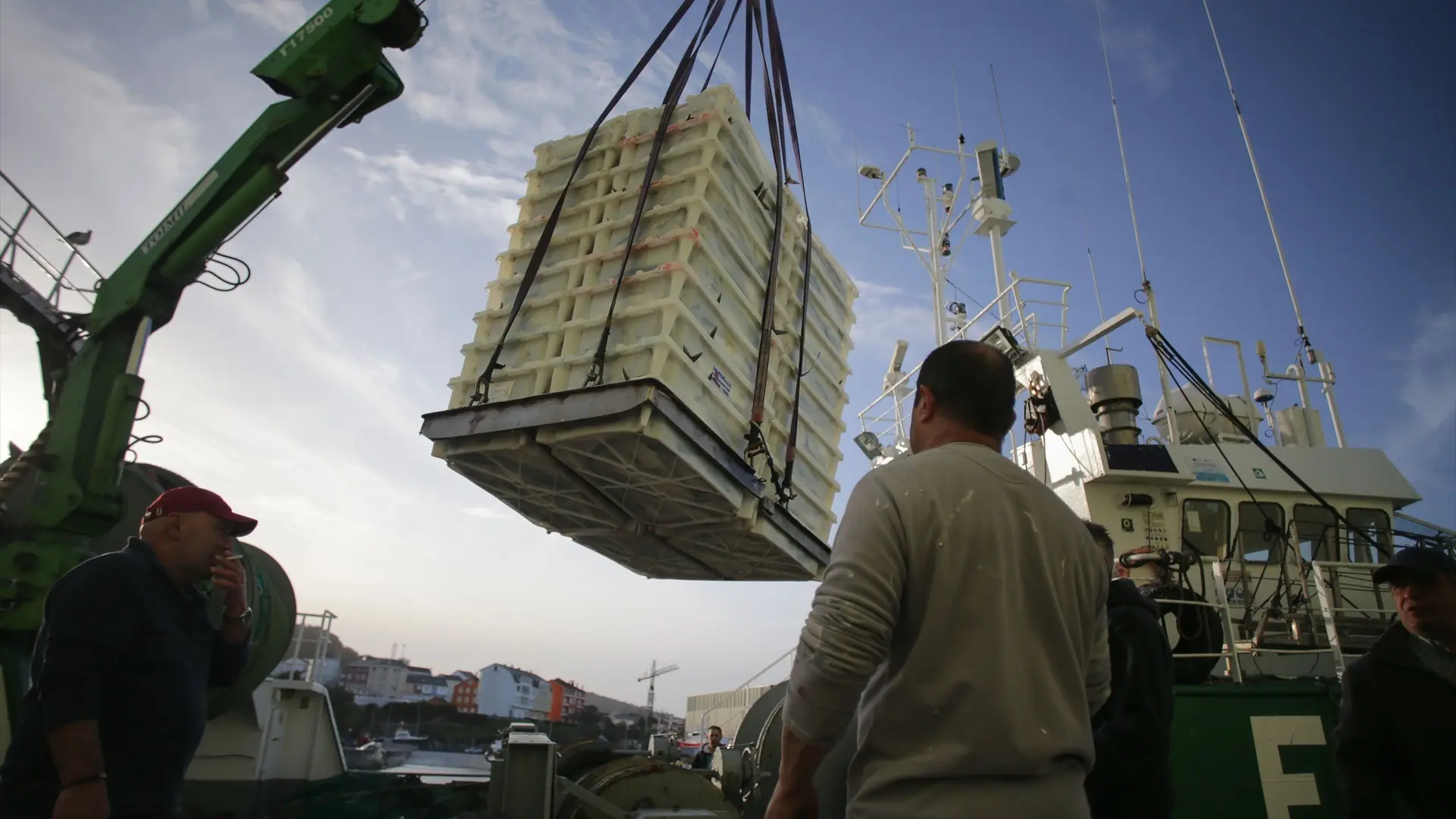
He Council of EU Fisheries Ministers (Agrifish) The next December 11 and 12 is not just another appointment on the community calendar, it is the meeting in which it is decided, with concrete figures, What margin will the Spanish fleet have in 2026? to operate in the waters of the European Union (EU), including the national fishing ground and other community waters. Taking into account that our fleet carries out about 40% of its catches in EU watersthis Council determines to a large extent the capacity to generate activity, employment and healthy food of one of the large fishing economies of the Union.
In the negotiation, the Total Allowable Catches (TAC) of numerous key species in Community waters and the fishing days for the trawlers of the Mediterranean and it is worth remembering: behind each ton authorized or cut there is not a statistic, but rather ships working or moored, crews with shifts or unemployed, and ports that live or go out, depending on the pulse of extractive activity.
Spain faces these decisions this week with uncertainty and concern. The proposals to reduce quotas pout in the Northwest Cantabrian Sea or crayfish in the Gulf of Cádiz they have the sector under tension. But we have the greatest concern about the European Commission’s proposal for the Mediterranean, where, as a starting point, it proposes a 65% reduction in fishing days for the 557 vessels Spanish trawlers, that is, a starting point of 9.6 days of fishing on average per boat. The multiannual Western Mediterranean fisheries management plan, which has been applied since 2020, has brought the trawl fleet to a breaking point. Our fishermen have been carrying out for years a notable effort of adaptation, investment and complianceand that commitment must be reflected in balanced and fact-based decisions, rewarding the sector’s efforts.
Therefore, the negotiation must combine sustainability and viabilitybecause without the second the first is not viable. The annual setting of TAC and quotas cannot ignore three principles. First, the scientific rigorincorporating the best available and updated evidence. Second, a realistic socioeconomic vision, because the Common Fisheries Policy (CFP) and the applicable regulations require considering the impact on coastal communities. And third, the fishing value chain. The activity does not end at disembarkationbut also extends to the market, the processing industry, marketers, transportation, the cold industry, supplies, shipyards, ship repair and a network of SMEs that generates economy and territorial cohesion.
When they apply disproportionate cuts or arbitrary decisionsthe damage multiplies. For the shipowner, it means uncertainty and difficulty in planning campaigns, investments and financing. For the fisherman, fewer days at sea, less income and less attractiveness for generational change. But, also, for auxiliary industries, lower workload and loss of competitiveness compared to third countries and for the consumer, less product offer, greater dependence on imports with less traceability and, in an inflationary context, upward pressure on prices.
Spain needs this Agrifish to recognize the strategic value of fishing as a generator of employment, blue economy and food sovereignty. We ask for decisions based on science, yes, but also proportionality, stability and a transition that leaves no one behind. The future of a sector that wants to continue being part of the solution is at stake.