Who can decide the result in favor of BBVA?
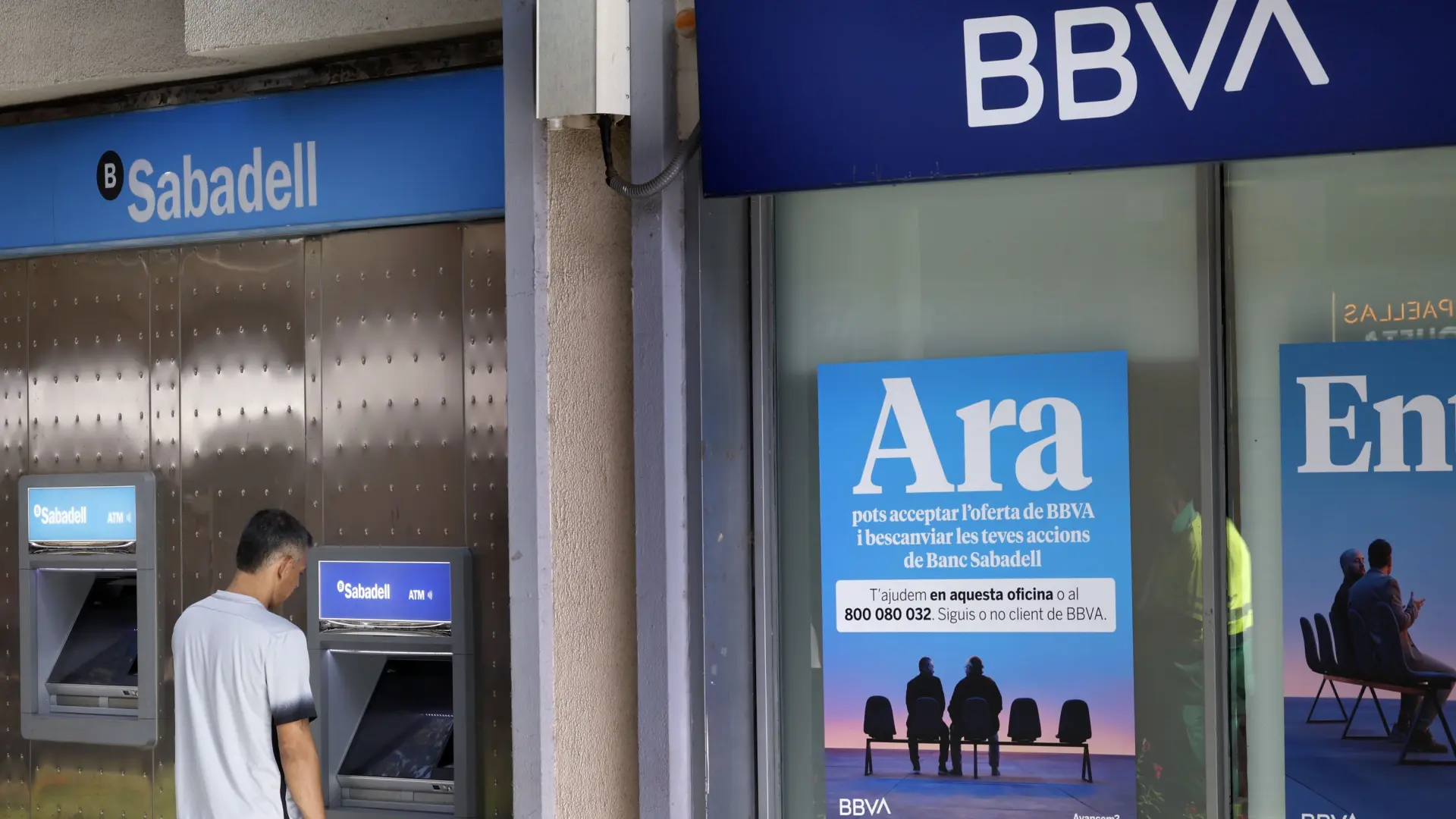
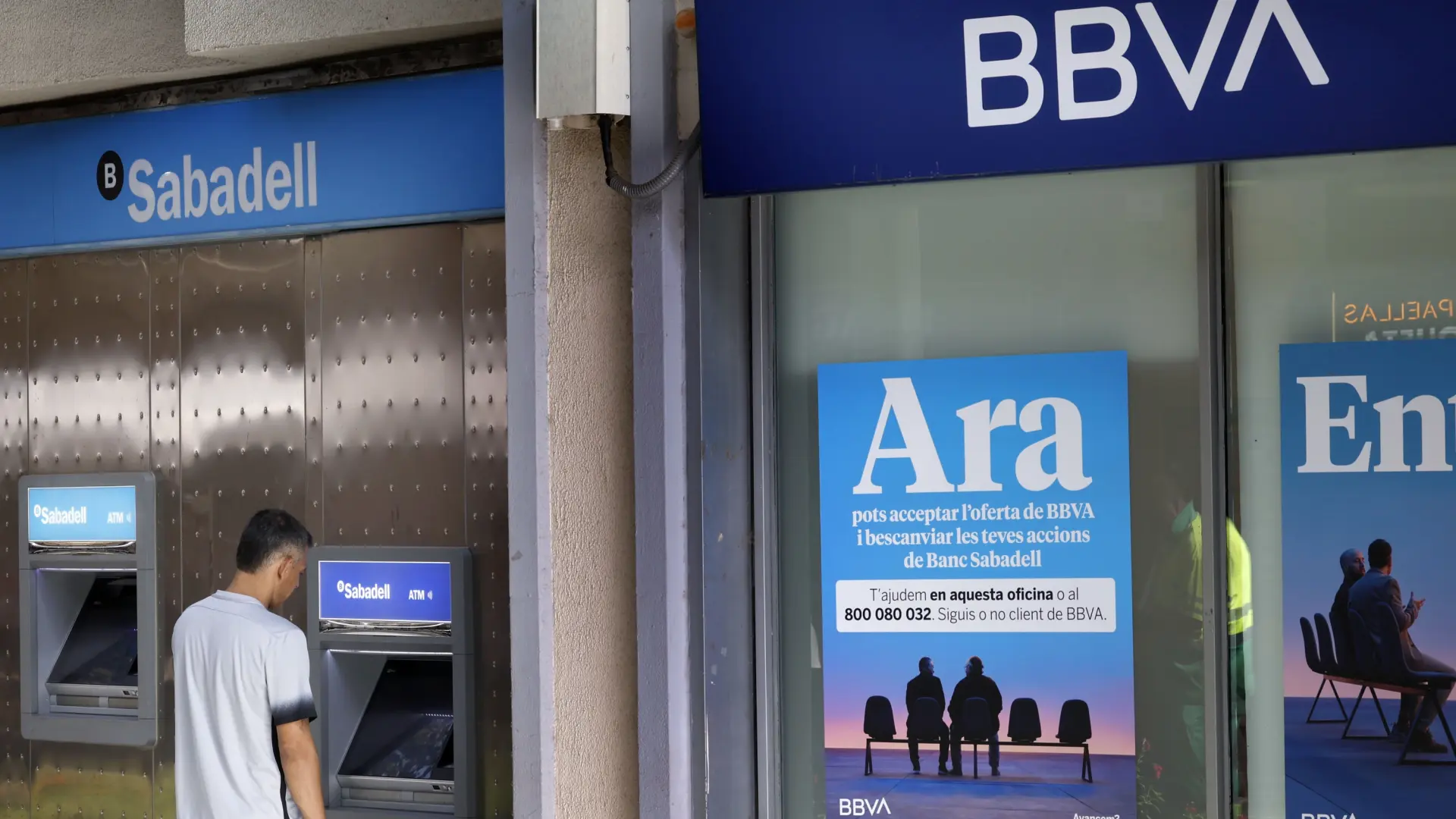
BBVA’s hostile takeover bid for Banco Sabadell signals the end. Next Friday, October 17, the National Securities Market Commission (CNMV) will announce the result of the operation, which keeps investors, the management team of both banks and the market as a whole in uncertainty, which is following the corporate movement of the year with expectation. At this point, there are three possible scenarios: you succeed with a 50.01% acceptance, failure if less than 30% and an intermediate situation – the most controversial – in which it remains halfway between both percentages. In this case, the supervisor could force a second takeover bid to be launched for the rest of the capital that it does not control.
At the moment, only the three main shareholders together with the Algebris fund, which holds 0.05%, have openly expressed their position. The position of the rest is still unknown. Banco Sabadell numbers the active investors in the 35%, among which are the institutional ones. Added to this percentage are the indexed ones, which represent 20%, which must minimize their deviation with respect to the indices they follow, something that somewhat limits their room for maneuver when in results. as uncertain as now. In any case, both are key pieces in this puzzle to which BBVA has entrusted part of its success so that its plan can move forward.
From a list that includes the ten main funds, UBS stands out (2.8%), Norges Bank -Norway’s sovereign wealth fund– (2.1%), Goldman Sachs (1.08%) or Vanguard (1.3%), DWS Investment (1.2%) or Morgan Stanley (1.05%). To these we must add Zurich Insurance, which expressed its intention last week to reject the takeover bid with almost 5% of the capital. The company distributes its insurance products in Spain through a joint venture with the bank, so if the offer is successful, this alliance would be compromised. The other side of the coin is represented by BlackRock, which you know has come with 0.5% of the shares, given that most of the 7.4% it holds is through passive funds.
In these cases, the largest asset manager takes its indexed positions based on technical criteria and how it can affect the composition of the index, while active management seeks to maximize long-term profitability, according to sources consulted by ‘La Información Económica’. These types of companies usually have an investment area that is responsible for making these decisions based to aspects such as the premium offered, the volume of business that will result from the sum of the two companies or the return on said investment.
Completing the list is Mexican businessman David Martínez, who has participated in the exchange with 3.8% of his shares. Although the Mexican businessman is part of the board of directors as proprietaryhis opinion contrary to the rest of the board of directors has led him to become the wayward director of the Catalan bank. The one nicknamed the ‘ghost of Wall Street’ has highlighted the strategic benefits derived from this potential union, beyond the price, which in his opinion is “secondary”statements that for BBVA may have generated a carryover effect and encouraged other funds to vote in favor.
Banco Sabadell’s shareholding is characterized by its high degree of atomization, lacking a hard core, a condition that makes the task even more difficult. to make pools around the scrutiny. In this context, Banco Sabadell has focused a good part of its efforts on appealing to this group, which accounts for around 42% of the sharesof which 80% are clients of the Vallesano group. In number, it is estimated that there are about 200,000 individuals who, as a general rule, tend to be guided by the bank’s recommendations, a point in favor of the interests of the team headed by Josep Oliu.
The battle is underway between both entities, which in recent days have intensified verbal confrontations in search of gaining support for their cause among the undecided. All those who have accepted the offer will receive a title of BBVA for every 4.8376 of Sabadellan equation that reflects a 10% improvement with respect to the price initially put on the table. At the close of the markets this Monday, the correlation between both entities registers a positive premium slightly below 2%. Until the liquidation takes place and the exchange is effective – as long as it goes ahead – the evolution of these two values on the stock market could be followed.