Will he continue to earn money as a deputy during preventive detention?

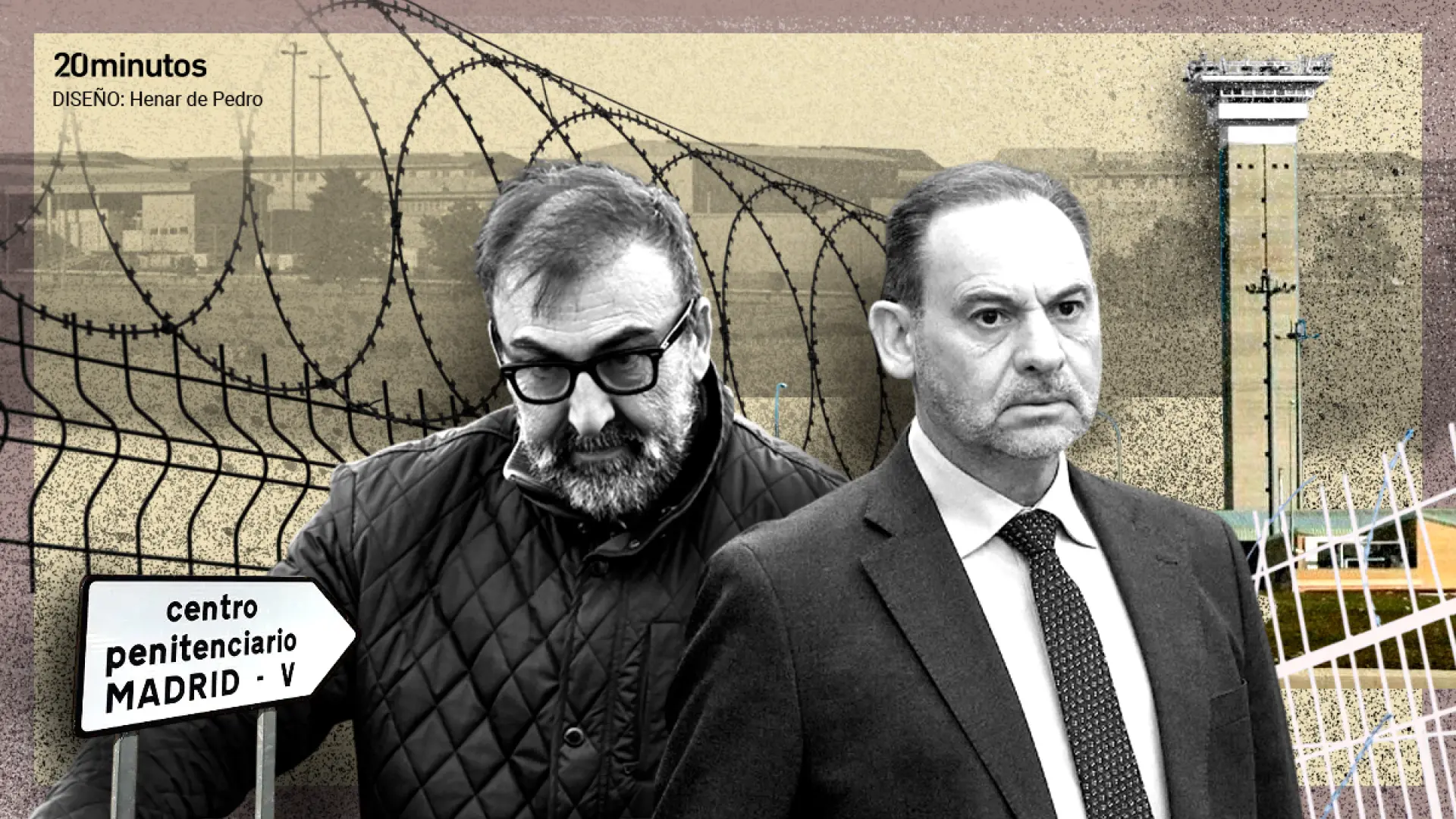
The entry into preventive detention of José Luis Ábalos and his former advisor Koldo García has generated an immediate impact in the Congress of Deputies. In the case of Ábalos, as a deputy, the Chamber Regulations establish that preventive detention implies the automatic suspension of their parliamentary rights and salary.
Until joining Soto del Real, Ábalos earned a gross monthly salary of 5,315.24 euros: 3,236.32 euros in base salary and 2,078.92 euros in per diem and allowances for being a deputy elected outside of Madrid. With the suspension, these payments are frozen. The situation is complicated because he himself has declared that this salary is his only source of income, which makes the decision on his record crucial: Maintaining it means not charging anything, but quitting would allow you to access severance pay.
This compensation works as a specific ‘unemployment’ for deputies: one month of salary for each year of mandate. In the case of Ábalos, who has been in Congress for 17 years, it would be equivalent to about 58,000 gross euros. Although it depends on the approval of the Congressional Board, parliamentary sources assure that there would be no reason to deny it to him as long as he resigns the seat.
Will he be able to earn a salary in prison?
Although they lose their salary in prison, both Ábalos and Koldo could receive certain income fromderived from work within the penitentiary center. Inmates can access jobs in workshops, kitchens, laundries or maintenance services, where they are paid a symbolic salary that, as in freedom, depends on the work and the hours in which it is carried out.
The General Organic Penitentiary Law establishes that they must receive at least 75% of the SMI, that is, a little more than 850 euros per month if they work full-time. However, the majority does not reach this figure, since his average salary ranges between 3.24 and 5.68 euros per hourwhich is equivalent to a monthly remuneration of between 200 and 300 euros per month.
As an addition to the ‘salary’, Royal Decree 782/2001 (modified in 2008), establishes that prisoners who work in prison workshops have the right registration, cancellation and affiliation to the General Social Security Regime and the contribution for common contingencies (such as retirement, illness), professional (work accidents) and unemployment. Effective contributions help to have a more solid post-prison work life.