Worldcoin made a mea culpa in Chile and made changes by asking for iris scanning
Worldcoin’s iris scanning technology is causing controversy around the world due to suspicions of personal data breaches. In Chile, the company’s arrival was no exception. In fact, the company made a mea culpa for the uproar and decided to request an identity document to register on the platform.
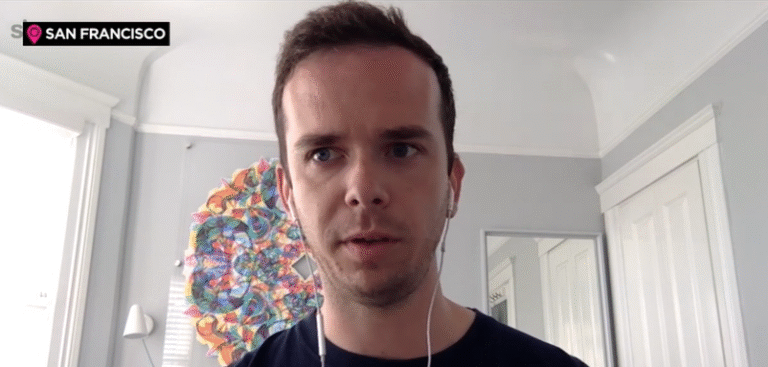
“We made changes based on the criticism and controversies that were generated“, he admitted Astrid Vasconcellosdirector of communications and marketing for Latin America at Tools For Humanity (TFH), the company in charge of the brand.
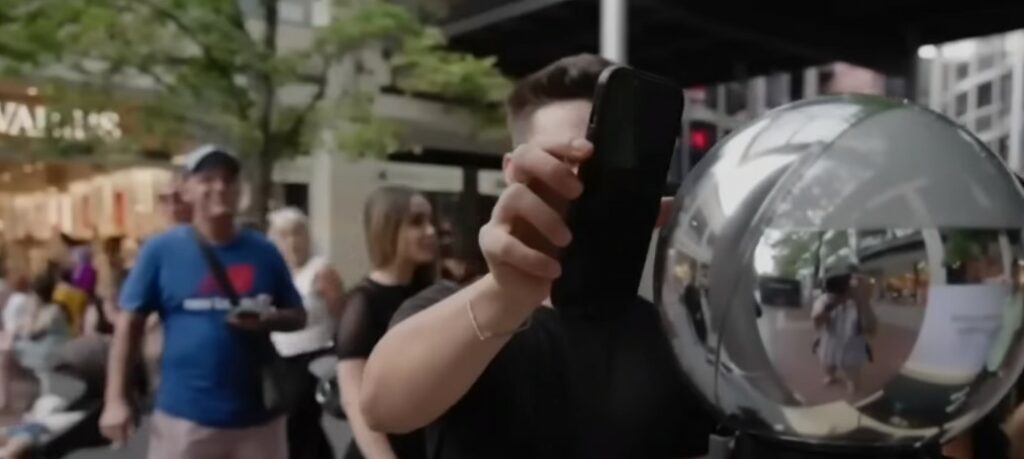
Worldcoin began operating in July last year in Chile. The sequence of the company’s launch is similar in all countries. Booths are set up in cities and urban centers, to offer users a handful of tokens as a reward, in exchange for registering their iris through the ORB technology.
In Chile, there were long queues of users to carry out the procedure. The curious thing is that there were teenagers who decided to register. And this sparked a controversy.
Lawyer Rodrigo Lagos filed a protection appeal in March before the Court of Appeals of Santiago, after learning that his 17-year-old daughter was able to scan his iris without the consent of her parents.
Aware of concerns and bans in other countries regarding iris scanning, local authorities began monitoring these tasks in April to “ensure that consumers are fully informed about how their data will be used.”
But Worldcoin itself also took up the challenge of these proposals to prevent cases of children who decide to register biometrically.
“What we didn’t do and now we do is verify the age. Before you enter a verification site, you have to show your DNI. And the reason we didn’t do it before is that one of the fundamental pillars of the project is privacy and security,” Vasconcellos said.
“We didn’t want to confuse people; we didn’t want them to think that we were cross-referencing personal data with the iris code, with the image we took of the iris. We wanted to keep them very separate, but we have learned that we do need to verify the people who are entering. The word of the people was not enough,” explained the TFH representative, in an interview with La Segunda.
In line with Worldcoin’s official explanation, Vasconcellos pointed out that what the company does is keep the iris code, and not the image of the iris.
“When you go to an orb for verification, a high-resolution photo of your iris and face is taken. The orb (metallic sphere that scans irises) encodes the image, the texture of your iris and iris patterns in a code. This never leaves the orb. Artificial intelligence does this iris encoding,” he explained.
“What remains with Worldcoin is the iris code and that is what is stored. The iris image is automatically deleted“, accurate.
Worldcoin has already taken root in several countries in the region, with more than twenty strategic locations nationwide, including shopping malls, nightclubs, bars and other locations. There are already 5 million users worldwide.
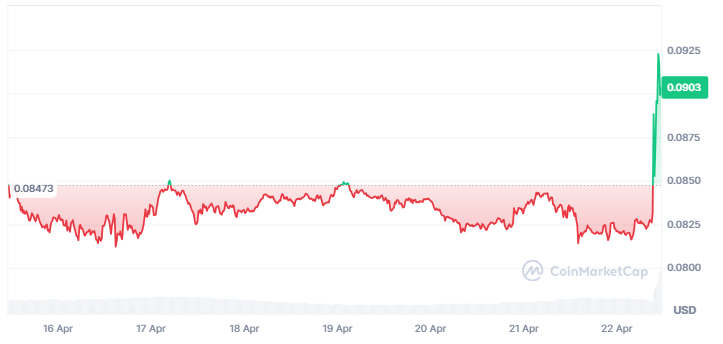
The attraction is the WLD tokens, which fluctuate around $2, and then a kind of basic income equivalent to 3 units of these assets is paid every 15 days. As CriptoNoticias reported, this income has been collapsing for months and fluctuates around $15.
The problem with collecting biometric data is that there is no updated legislation on the subject in most countries. There are also no details on the ways to manage these sensitive and private data stored with cryptographic technology, which is causing specialists to be concerned.

Investigations have been launched against Worldcoin in France, Germany, the United Kingdom, Kenya, Nigeria, Spain, Portugal, Mexico and Hong Kong for this alleged violation of privacy. In some countries, operations have even been banned.
TFH’s representative for Latin America assured that “data will not be sold,” and that the purpose of Worldcoin is to address the advance of AI in the coming years, which will require a system of verifying humanity. How can we verify whether we are dealing with a person or a chatbot that communicates like a human?
“The goal of the project is to create a Humanity base, a network of humans. To certify who is human and who is not,” Vasconcellos said. “There is a lot of misinformation and lack of education about the project. That it was our fault, perhaps. Because it is quite new and complex,” he concluded.