a hot year for Ibex 35 companies
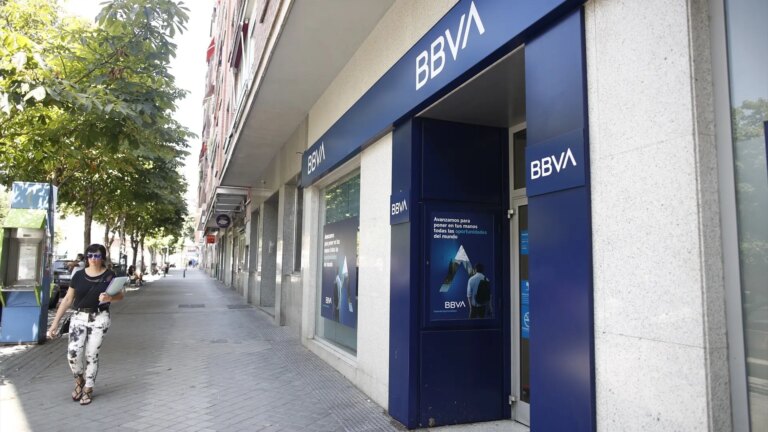
Pedro Sánchez’s second term will be remembered among Ibex 35 companies for regulatory uncertainty and lack of public budgets. The Government’s position in the large consolidation processes – some unsuccessful – that have taken place in recent months has set a precedent for future movements, and may even stop many boards of directors from making offers for other companies, at least with the current Government. The Executive has played a key role in some of the most relevant operations this year, being the takeover bid of BBVA about Sabadell Bank the most important, due to the impact it has had at all levels.
Launched on May 9, 2024, on the eve of elections in Catalonia, the times further increased the pressure around this hostile attack, which is not usually common in the Spanish banking sector. The process, which dragged on for almost a year and a half despite the fact that the plan orchestrated by the team led by Carlos Torres did not go ahead, has been marked by the return of the headquarters of the Catalan group from Alicante to the Barcelona municipality of Sabadell; the sale of TSB, its business in the United Kingdom to Santander Bank – still pending closing – and the conditions imposed by the Council of Ministers, which impose a veto on the merger for three years, extendable for another two.
The requirements imposed under the protection of general interest have cost Spain the opening of an infringement file by the European Commission, but also It has earned criticism within the banking sector, from which entities have been warning about the consequences of this political interference. It so happens that CaixaBank He was running as one of the candidates to take over the 75% that Lone Star controlled of the Portuguese bank Novo Banco, a bid in which the French BPCE finally won. The Portuguese Executive had previously expressed its reluctance for a Spanish entity to take control of it. It is worth remembering that the Spanish State is present in the shareholding of CaixaBank through the FROB, in which it appears as the second largest shareholder behind Criteria Caixa, with 18% of the capital. It was last February when Moncloa approved an extension to delay the obligation to leave until 2027 for the fifth consecutive time.
For Marc Murtra and Ángel Escribano, tonight’s toast will be very different from a year ago. Both will say goodbye to 2025 after having laid the foundations for the new Telephone and Indrarespectively, when they face their first year in the presidency of the two technology companies. The first arrives at the ‘nougat’ with his homework done after accelerating sales in Latin America and leaving behind an ERE of some 5,500 workers to support the cost savings that his new strategic plan champions; ahead is the mission of recovering the stock that has fallen 13% in the last twelve months and channeling its long-awaited consolidation of the ‘telecos’. The second says goodbye to the year as president of the Spanish selective champion after almost tripling his value (+180%) thanks to his turn towards defense that has led him to conquer Hispasat and focus on EM&E as a New Year’s wish.
The exercise has not given any respite to the electricity companies, which started the year with some relief after the disappearance of the imposed until The ‘great blackout’ registered in spring reopened the debate on the security of the system, made a dent in the accounts of large firms and triggered a public fight between the companies and Red Eléctrica (listed under Redeia), over operational and investment responsibilities in the network, with the debate on the extension of the Almaraz nuclear power plant in the background. The exchange of accusations increased the regulatory pressure on a sector already accustomed to navigating in turbulent waters and ended up closing with another key front: the controversial CNMC proposal for the remuneration of electrical networks that, predictably, will land in the courts.
Under this backdrop, industry references such as Iberdrola have reaffirmed their commitment to grow abroad, with record investments in their two priority markets: the United Kingdom and the United States. Its strategy does not clash with the spearheads of the Spanish infrastructure that rely on international growth as the driving force of their business and continue to achieve milestones such as entering the Nasdaq-100, which Ferrovial It was proposed when it moved its headquarters to the Netherlands in 2023, but not before causing discomfort in La Moncloa. Its steps could be followed by Acerinox, which has already opened the door to listing in New York to capitalize on its leadership in the North American market.
The other legs of the index, tourism and consumption, have once again acted as a tailwind for another of the large blocks of the Ibexwith IAG, Amadeus and Aena foreseeing a record year marked by the definitive normalization of air traffic and the strength of demand, a reflection of consumption that continues to rise and that is directly linked to the good moment of Inditexsupported by investors to put the cherry on top of a volatile year with all-time highs in the stock market.
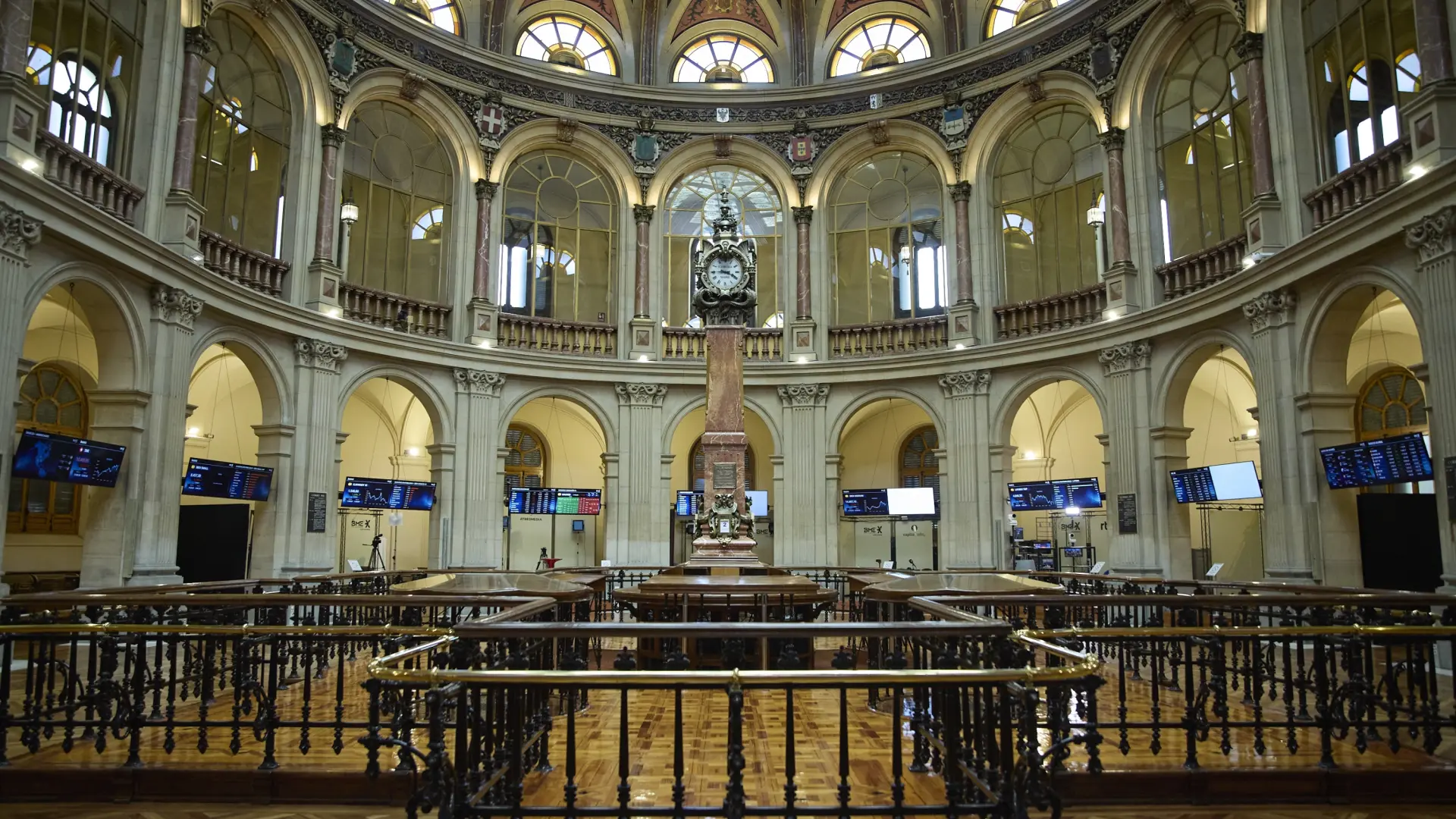
Last week the Ibex 35 reached historical highs after exceeding 17,000 points for the first time in its history, in the heat of a 48% ‘rally’ that puts it on track to record its best year since 1993. In addition to the aforementioned Indra, the rebound is led by other great values such as Santander Bank (+124%), BBVA (+109%) and Sabadell Bank (+78%). The advantages experienced by Iberdrola (+37%) also stand out. Ferrovial (+36%), Repsol (+35%) or Inditex (+13%). On the contrary, Telefónica (-12.7%) is among the handful of stocks that register falls on an annual basis along with Puig (-17.2%), Cellnex Telecom (-12.39%), Amadeus (-8.68%), Redeia (-8%), Fluidra (-1.53%) and rovi (-0.7%).