No crayfish for Christmas? Spain closes fishing for this seafood in the Gulf of Cádiz during its peak sales season
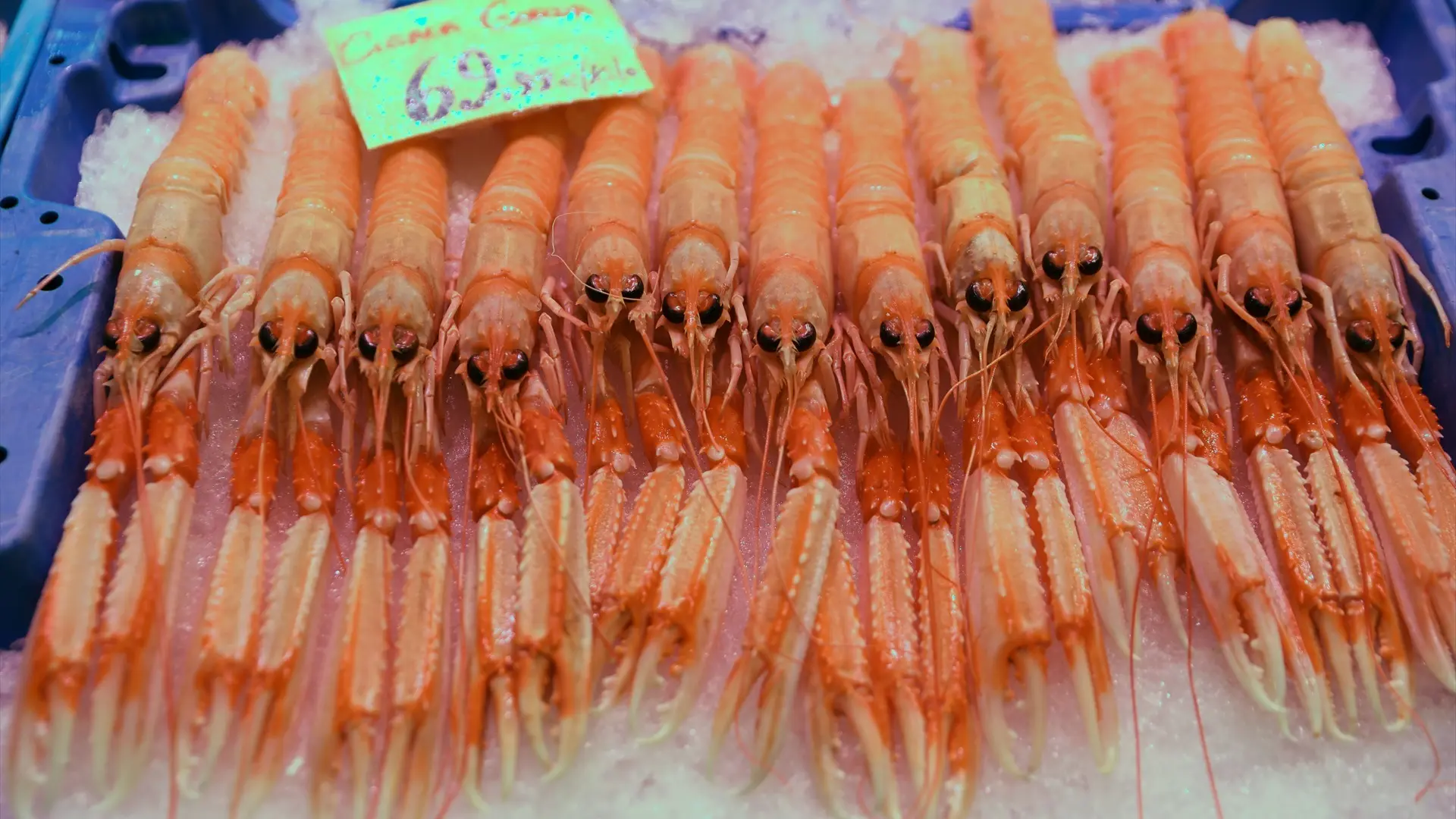
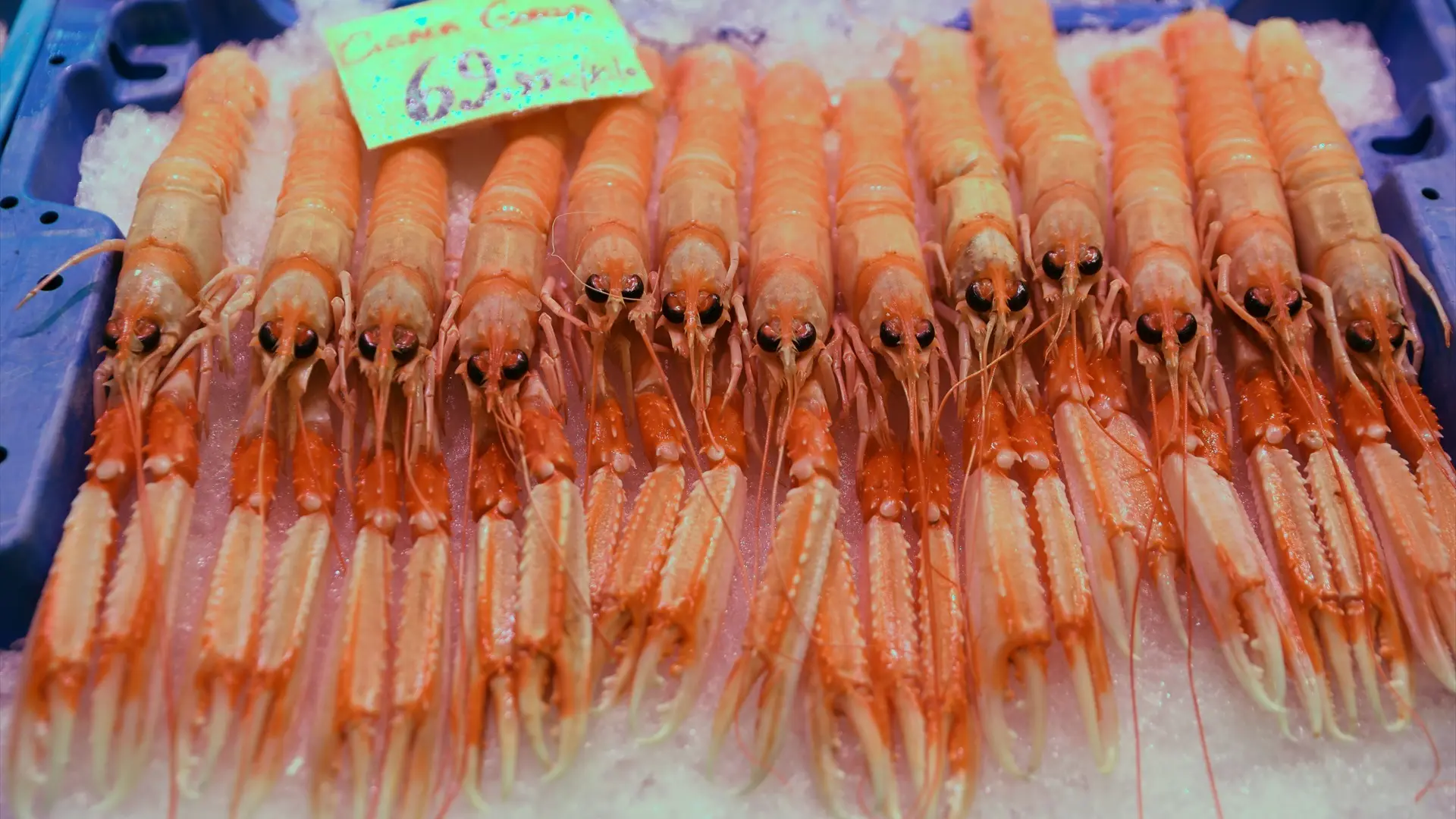
The crayfish is one of the stars of our table at this time, but its fishing has become more complicated for the Spanish fleet since this Monday. The General Secretariat of Fisheries (Ministry of Agriculture, Fisheries and Food) decided this Monday the “precautionary closure” of this fishery in the Gulf of Cádiz when verifying that “the quota assigned for the stock of the crayfish (Nephrops norvegicus) has been exhausted.” In this sense, the resolution published in the Official State Gazette (BOE) on December 19 specifies that no Spanish flag vessel can fish for this species and that, in the event of accidentally catching crayfish, they must be “immediately released in the same area in which they were captured” reflecting these amounts in the logbook. A measure that occurs at the gates of the Christmas campaign, the time of greatest sales of this type of seafood, and a few days before it comes into effect. a ‘snip’ of more than 50% in the quota for next year. Spain is going to go from 32 to 15 tons after the European Council on Agriculture and Fisheries held in the middle of the month in Brussels. Fishing will meet with the sector at the beginning of January to find a solution.
Seafood, “the greatest source of income”
The president of the Punta Del Moral Shipowners Association, Alonso Abreu, regrets in conversation with Economic Information that at this time this seafood can reach an average price of 35 euros/kg in a fish market like the one in Ayamonte, but that the price range can be between 50 and 110 euros per kilo. Abreu admits some surprise at the decision, “although in the last 2 years we exhausted the quota before Novemberwe would have liked to have been notified.” For the senior patron of the Fishermen’s Guild of Isla Cristina (Huelva) and president of the Provincial Federation of Fishermen’s Guilds of Huelva, Mariano García, “this decision comes at the worst time after the biological stop that we make between the end of September and October.” As Abreu notes that “Seafood is the biggest source of income at Christmas, although not only fisheries such as crayfish.” He also mentions other ‘delicacies’ such as the large prawn from Huelva and points out that next month the sector will meet with the General Secretariat of Fisheries to design possible alternatives.
“This decision comes at the worst time after the biological stop that we make between the end of September and October,” Mariano García (Isla Cristina Fishermen’s Guild and Provincial Federation of Fishermen’s Guilds of Huelva)
The representative of the Ayamonte shipowners criticizes that “the fee is reduced when it is most valuable” and hopes that the joint declaration of the European Commission and the Spanish Government will be fulfilled, which establishes the carrying out of a new scientific study to review the real state of the stock and adjust the quotas throughout the next year. “There is a commitment for 2026 to have new scientific informationto determine the reasons for the decline in this population and, where appropriate, apply balancing measures,” highlights Abreu, who points to a “huge” decline in turnover.
Meeting in January with the Ministry and more restrictions
Abreu defends that “we are the first interested in defending this species”, and rules out that his activity is the main responsible for the decreasing presence of crayfish. “We do not believe that our fishing effort is the main reason of the fall of the crayfish,” maintains the president of the Punta Del Moral Shipowners’ Association. García, who is the senior patron of the Fishermen’s Guild of Isla Cristina (Huelva), points out that “The same thing happened with the anchovy and the quota had to be doubled after the sector protested against the control measures and demonstrated that there are anchovies.” This representative of the area’s fleet hopes to be able to sit down at the Ministry “and see options” in January. He also warns against the “overexertion” that can be generated in other fisheries such as shrimp. Which, in his opinion, can “break” companies. “Many boats will think about it, since crayfish must be fished deeper, more cable is needed and that can cost about 10,000 euros,” he points out.
“We do not believe that our fishing effort is the main reason for the decline of the crayfish”, Alonso Abreu (Punta del Moral Shipowners Association)
The president of the Punta Del Moral Shipowners Association remembers that fishing is already prohibited from 2022 “in three areas where there are crayfish” in reference to the ban on trawling in 87 fishing zones in Spain, Portugal, France and Ireland. A controversial decision adopted by the previous Fisheries Commissioner, the Lithuanian Virginijus Sinkevičius. The representative of this organization warns that this situation can lead to a relocation of part of the fleet saturating other fishing grounds, since many boats may discard this fishery and opt for other highly in-demand fish such as shrimp.