Am I obligated to divide the shared tenth prize? This is what the law says

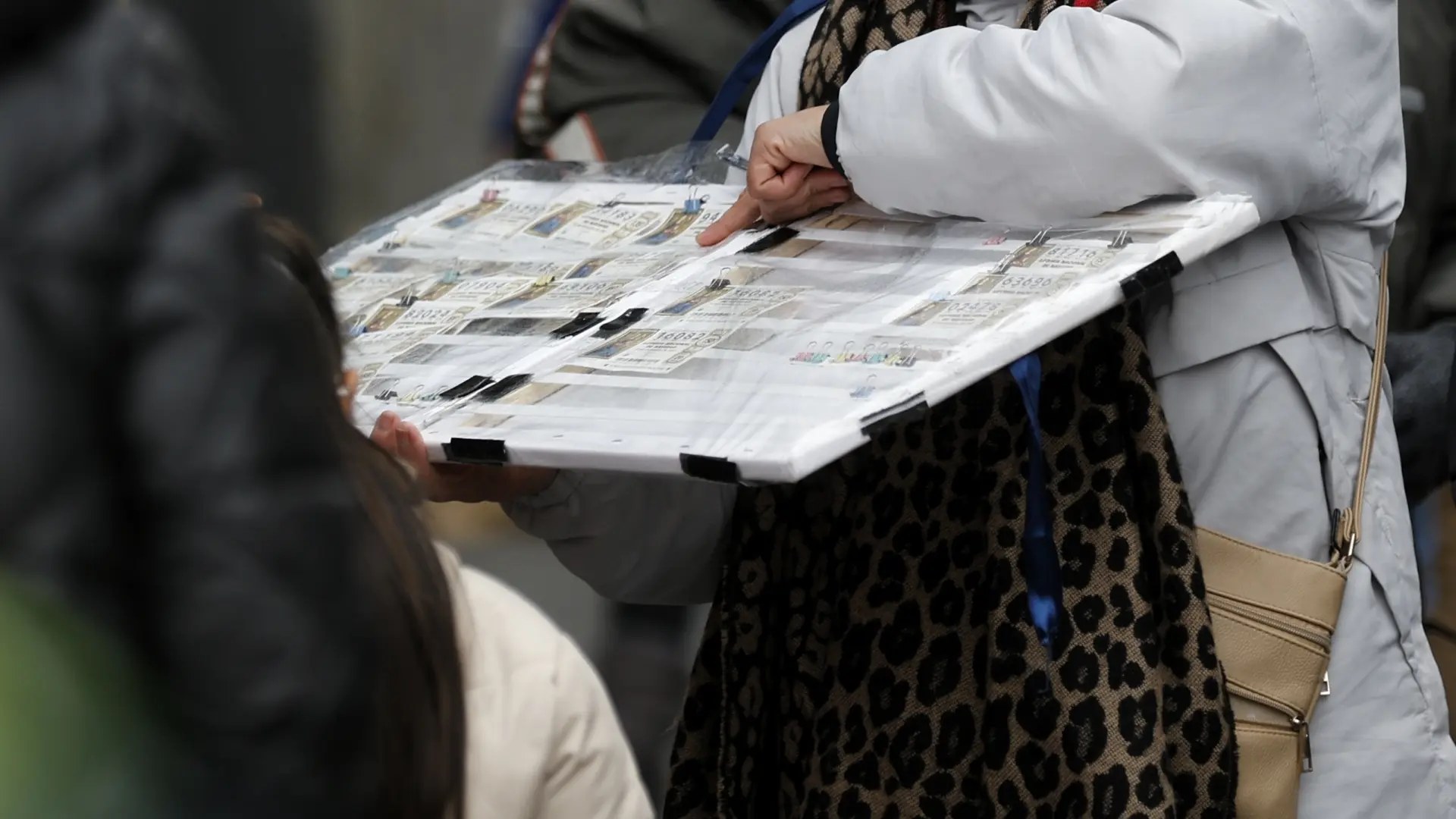
Every year, thousands of people in Spain buy a half lottery ticket with family, friends or co-workers. The scene repeats itself, everyone is excited, a photo of the tenth is taken, shared on WhatsApp and fingers are crossed. But when the prize arrives, a key question also arises that generates tension: am I legally obliged to distribute the prize if the tenth was shared?
The answer is Yeah, but only if it can be proven that it was really shared. There is no specific law on “shared tenths”, but civil and tax legislation establishes that the prize belongs to the co-owners, as long as it is proven that everyone participated in the purchase. This is important because, without proof, the lottery belongs only to whoever presents the tenth in the administration.
Bearer Award
The National Lottery applies a very simple criterion: The prize is paid to the person who presents the physical tenth. Nobody is going to investigate if there are five friends, an office group or an entire family behind it. From a practical point of view, whoever holds the note is in control.
Therefore, when we talk about “legal obligation to distribute”, what really determines the obligation is the existence of a prior agreement between the participantsalthough this is not necessarily formal.
How to prove that a tenth was shared?
The best evidence is simple, a bank transfer reflecting the contribution, a bank transfer reflecting the contribution, a message on WhatsApp or group, a photo of the ticket sent to all participants, a signed document. however, The OCU recommends that each participant have a copy signed by all the owners.
Furthermore, the Spanish courts have given great importance to messages and bizums. Judges consider this evidence to be valid because it demonstratesn the desire to co-own the tenth. If there is no evidence, the only thing left is prove the existence of a verbal agreementwhich requires witnesses willing to testify or any documentary evidence.
The tax is also shared
Sharing the prize not only affects the civil level, but also the fiscal level. The Tax Agency requires that it be clear how many holders there are, because the prize tax is distributed among everyone. Therefore, when the tenth is collected, it is advisable that all participants appear at the administration and identify themselves as co-holders of the prize.
If this is not done, the State will consider that the money was given to a single person. Then when you deal to others, it can be interpreted as donationwith additional taxes. Jurists, then, recommend something as basic as it is effective, leave a trace.