Spain negotiates with China, Japan, the Philippines, South Korea and the United Kingdom to avoid losing export certificates due to swine fever
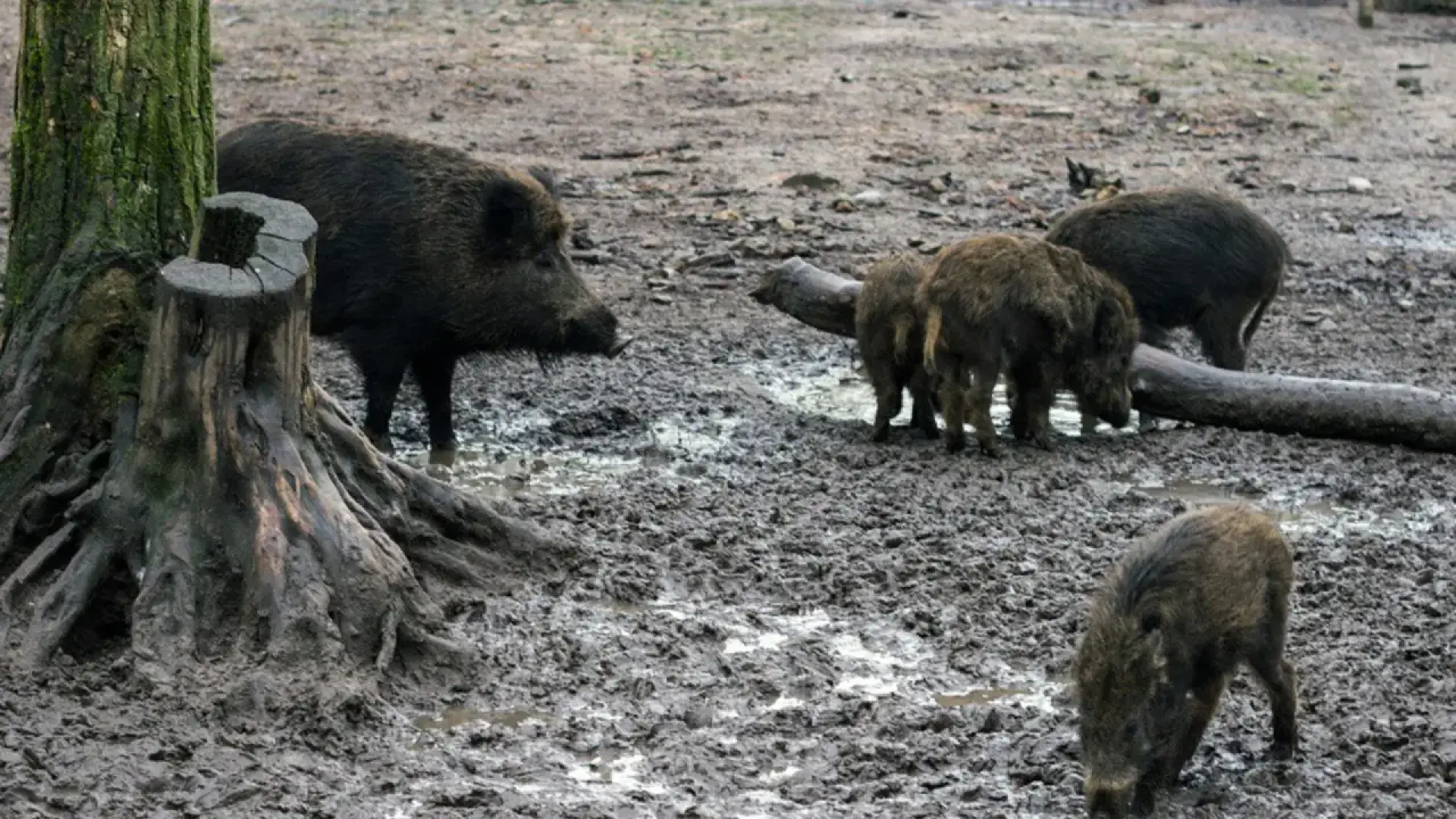
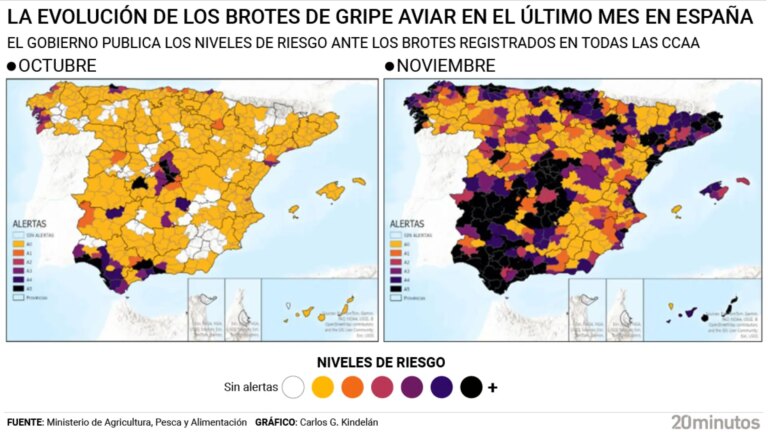
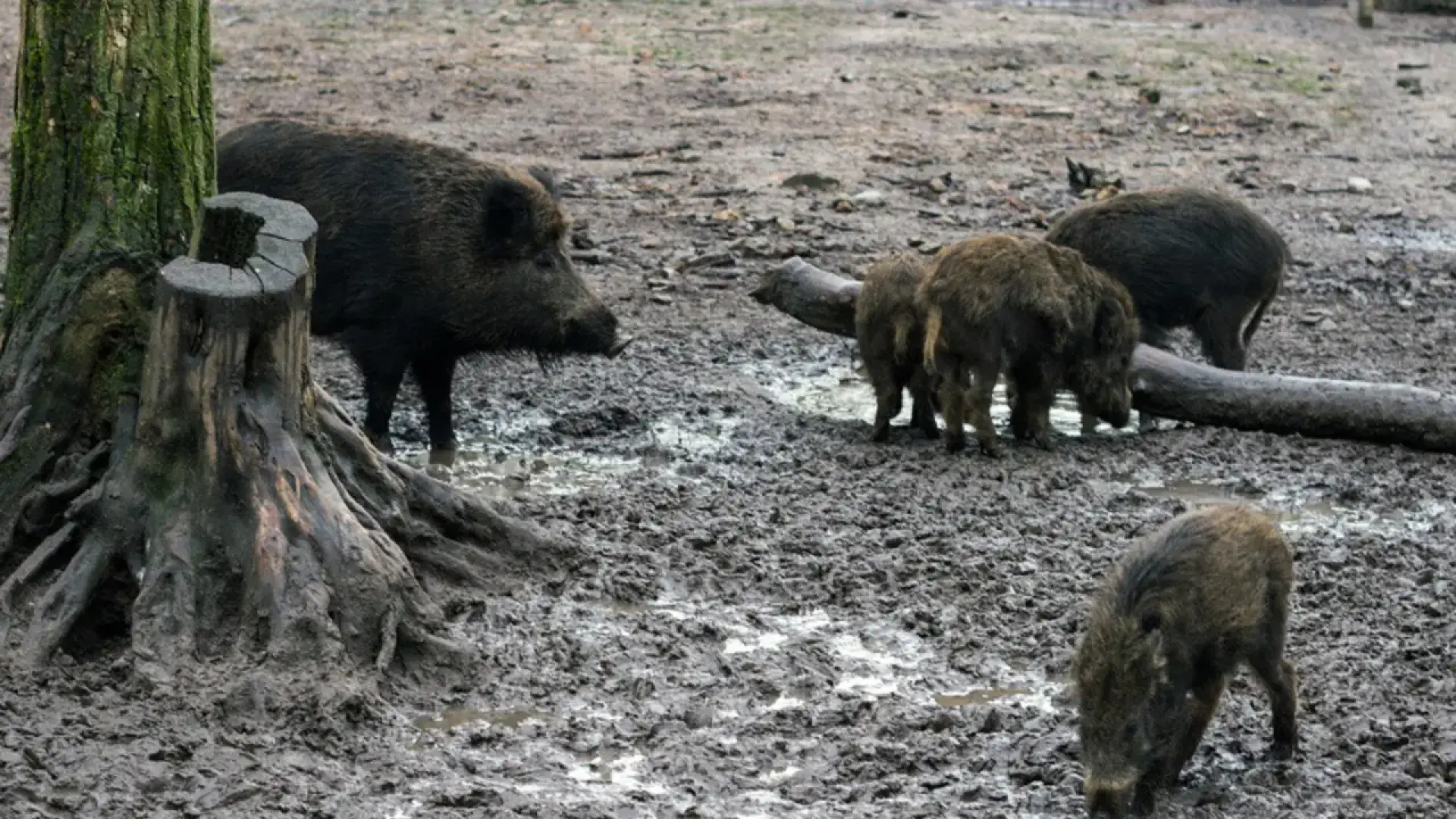
The Ministry of Agriculture, Fisheries and Food (MAPA) maintains negotiations with the markets of China, Japan, the Philippines, South Korea and the United Kingdom so as not to lose export certificates due to the situation derived from the positive cases of African swine fever (ASF) in Spain.
This was stated by the General Secretary of Agrarian Resources and Food Safety, Ana Rodríguez, at the Agri-Food Industry 2025 conference.Challenges and Future of the Spanish Food Industry“, organized by the economic newspaper Expansión.
China, Japan, the Philippines, South Korea and the United Kingdom are markets, in order of priority, along with the European Union (EU) with which The Government negotiates “up to date” so that they do not close any certificates and maintain the regionalization of exports of pork products, given the positive cases of ASF in Spain.
Rodríguez has highlighted the speed with which the different administrations have respondedfor example with the mobilization of the Military Emergency Unit (UME), and recalled that this is a situation that affects the entire country, it is not limited only to Catalonia, the region that reported the outbreaks.
Regarding future aid to the sector, the person in charge has maintained that “Now is not the time to do the math or see possible future supports“We are an economic ministry and we like to keep production statistics up to date. So, this is also something that we will have to face at some point when the epidemiological situation stabilizes,” he added.
The tariffs
In addition, the person in charge of Agrarian Resources has spoken about the international commercial context derived from tariffs. The Ministry remains “vigilant” for the European Commission (EC) to ensure that the United States (US) “complies”, in addition, they are trying to open exemptions to tariffs on some products such as olive oil, table olives, wine and cheese.
He has also highlighted the need to maintain trade agreements with all countries with which there are commercial ties since “the agreement protects”, he defended. In this sense, it has considered “very important” finalize the negotiation of the trade agreement with Mercosur before the end of the year because it could “reduce the concerns of some markets.”
Outlook for mass consumption
2025 is being a “good” year for mass consumptionwhich expects to grow up to 4.5% (3% in volume and 1.5% in inflation), as revealed at the conference by the president of the association of mass consumption companies Aecoc, Ignacio González. The last months of the year are maintaining a more inflationary trend, although the situation is “quite good”, González stated, companies will end the year in growth.
Still, the sector faces “very pressing” problems, such as consumers’ disposable income and the generation gap between young and old. Regarding future trends, but also current ones, the head of Aecoc has emphasized the rise in the inclusion of restaurant areas in supermarkets: “There is a dilution between the hospitality and retail channels,” he indicated.
Prepared food and ready-to-eat options in supermarkets themselves They will thus play a role in the future trends of mass consumption, which also faces situations such as competitiveness, increased absenteeism and the lack of qualified personnel, he summarized.