Banco Santander increases its exposure to First Brands to 300 million dollars and related companies

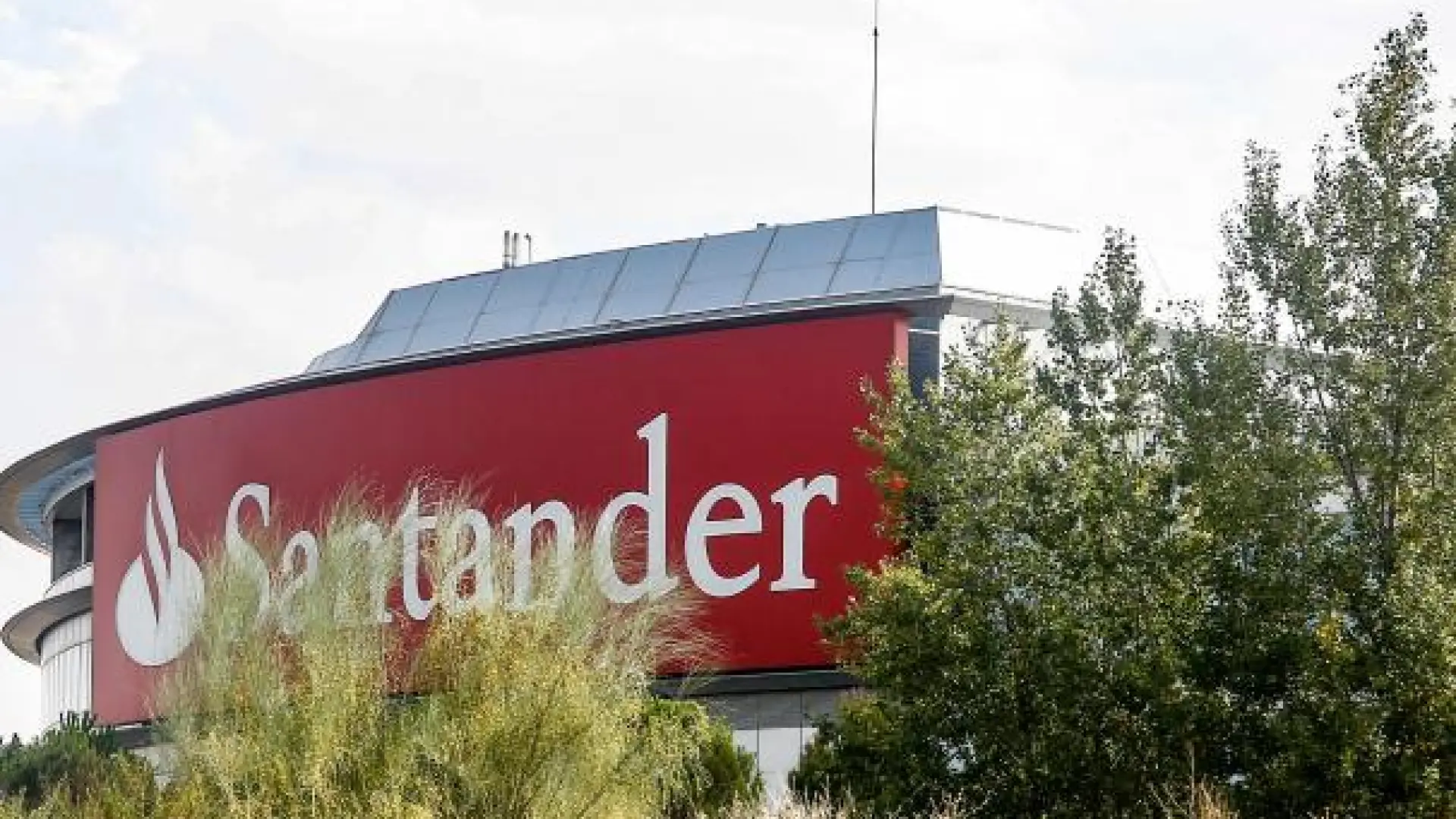
Banco Santander’s exposure to the bankruptcy of the automotive group First Brands and its former CEO, Patrick Jamescould be larger than what was known until now, since it could include a company in France and a line of credit in Mexico and Brazil. According to ‘The Wall Street Journal’ and collects ‘Bloomberg’, the reach could reach 300 million of dollars (around 260 million euros) if the related companies are taken into account.
Deva Capital, an investment company ultimately controlled by Santander, took over Novares Group, a French auto parts manufacturer, which is owned by First Brands and that he would be going through financial difficulties. James acquired the company at the beginning of 2025, an operation that he financed with a loan of 230 million dollars (around 199 million euros) granted by the Spanish group. Not being able to pay the repayment, Santander, through the aforementioned Deva Capital, has taken control of the company.
The exhibition adds a $77 million loan that First Brands had with Santander when the American automobile supplier declared bankruptcy on September 28. Said loan was linked to an entity that is not part of the US business and has not filed for Chapter 11 of the Bankruptcy Law in the United States. To this should be added a $55 million line of credit from First Brands in Mexico and Brazil, although it would be backed by another bank, according to a person familiar with the matter.
The simultaneous collapse of vehicle components supplier First Brands and from subprime lender Tricolor They put investors and analysts on alert about the situation of consumer loans and, specifically, those intended to purchase automobiles. Subprime loans or subprime They were already the origin of the last financial crisis.
An increase in bad debts in a certain economic sector (that cockroach that suddenly appears alone) could generate problems in the most exposed banks and end up affecting the entire financial system and to the rest of the economy (that systemic risk would be represented by all the other cockroaches that appear shortly where there seemed to be only one). This scheme was not only fulfilled in the Great Crisis, but also, although to a lesser extent, in the one that affected US regional banks in 2023.