central banks flee the dollar
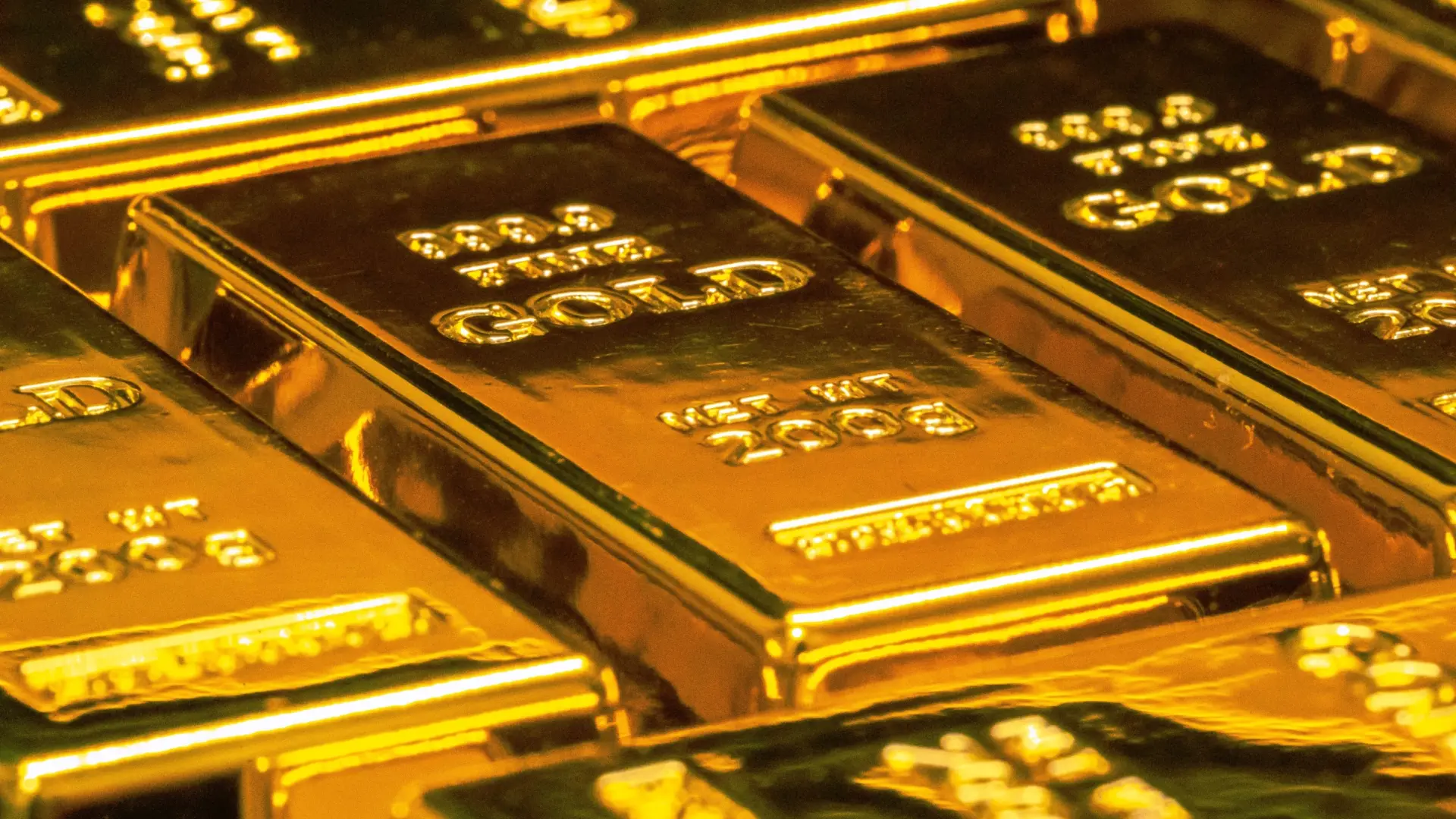
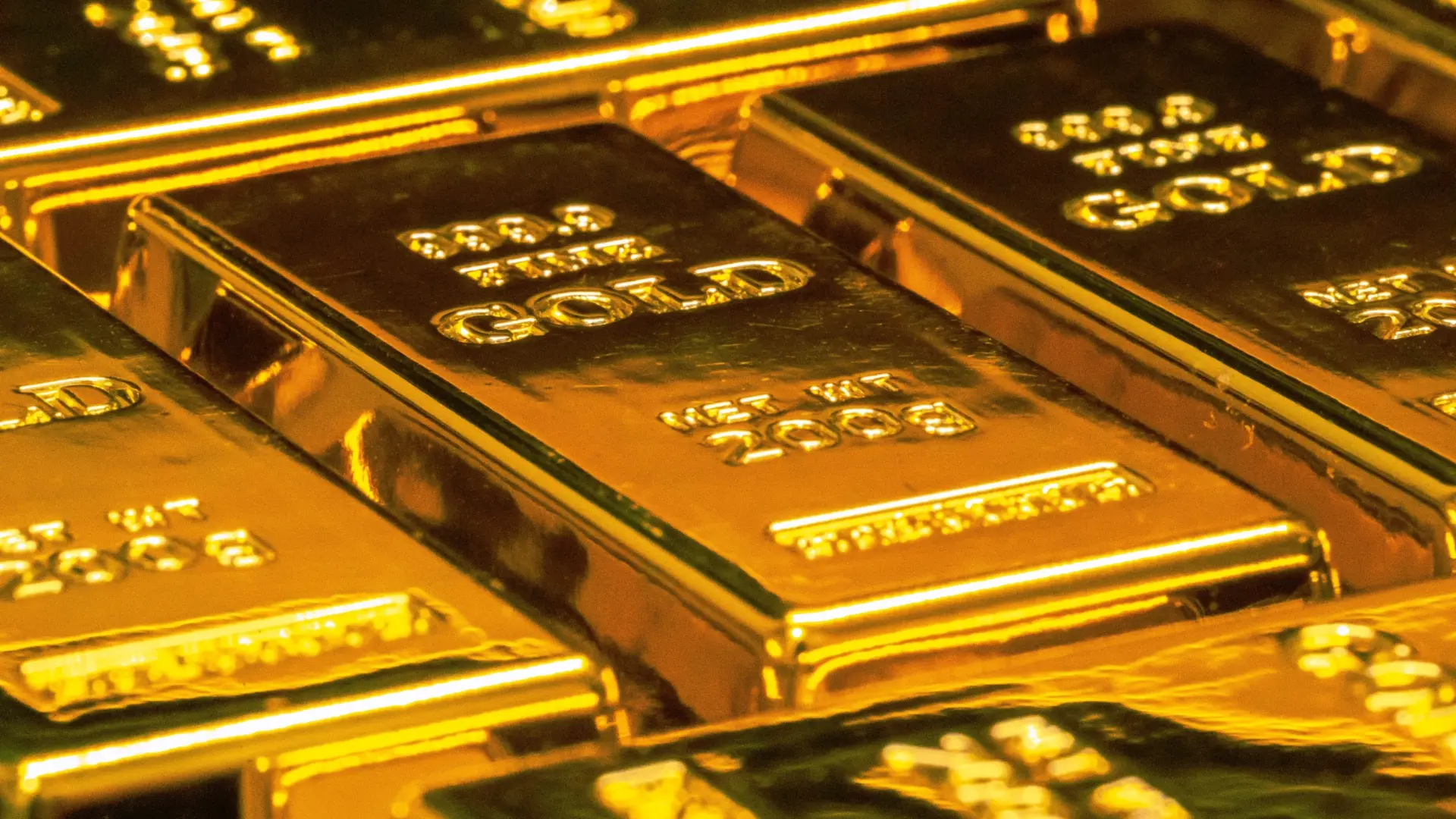
Gold is once again the protagonist of the markets. The precious metal has reached all-time highs, exceeding $4,000 per ounce, driven by a phenomenon that goes far beyond speculation. Central banks are buying gold at a rate not seen in half a century. And they don’t do it for fashion. Behind this strategy there is a cause with a name and surname: the devaluation of the US dollar, the currency that for decades marked the pulse of the world economy.
In a landscape dominated by digital money, historic levels of debt and monetary volatility, gold once again occupies its historic role: a tangible and universal refuge. In times of inflation, war or political uncertainty, the precious metal reminds that, unlike currencies, it does not depend on the promise of any government nor can it be printed at will. It does not pay interest, but it is not devalued by decree either.. It is, in essence, a bet on distrust, and the growing demand confirms this.
In 2024 alone, central banks acquired more than 1,000 tons of gold, according to the World Gold Council, marking an all-time record. China, Russia, Türkiye or India They lead these purchases with a common goal: reduce exposure to the US dollar, a currency that has lost some of its appeal as a global reserve currency. Persistent inflation and rising public debt in the United States have undermined confidence in its stability. In addition, many countries seek to limit their economic and financial dependence on Washington.
The movement reflects an underlying trend. Emerging countries do not want to depend on a currency whose monetary policy is dictated by the Federal Reserve, especially after a volatile interest rate cycle and an unprecedented increase in US public debt.
For decades, the dollar was synonymous with stability, power and trust, the true pillar of the international financial system. It was the world reserve currency, the reference in international trade and the safest asset for any central bank. But that trust is eroded.
Persistent inflation in the US, record fiscal deficits and the instrumentalization of the dollar as a geopolitical weapon, through sanctions and financial blockades, have raised alarm bells in many countries, forcing them to look for alternatives. The result is silent de-dollarizationwhich is not intended to replace the dollar immediately, but to limit its dominance. In this process, gold has become the safest alternative to diversify reserves, as it does not depend on a financial system controlled by Washington nor obey any flag.
China, for its part, sets the pace. Beijing has been steadily reducing its US Treasury bond portfolio for months and steadily increasing its gold reserves. This trend is not an isolated movement but a state strategy to strengthen the yuan and protect its economy against the financial turbulence of the West. The underlying message is clear: the dollar is no longer unquestionable. The international financial order is being reconfigured towards a more multipolar system, where gold, paradoxically, the oldest asset, regains prominence and consolidates itself as a central piece of the economic board.
For private investors, the gold rally is often an ambiguous signal. On the one hand, it offers protection against inflation and uncertainty; On the other hand, it shows the loss of confidence in traditional financial assets. More than a cause, its rise is a symptom of the moment: it anticipates the fear of a global slowdown, geopolitical tensions or a loss of control over inflation.
Today, that increase reflects a restless world, where investors and governments prefer the solidity of metal over the promise of paper.
Ultimately, each gold rally reveals more than just an investment opportunity: it is a symptom, a warning. When metal shines, it’s usually because the market fears something: a recession, uncontrolled inflation or geopolitical crisis. Today, that increase reflects a restless world, where investors and governments prefer the solidity of metal over the promise of paper.
And not just investors. That central banks, the guardians of the monetary system, are leading this gold rush is a message in itself: they no longer fully trust the stability of the dollar. The golden metal thus becomes a global mood thermometer. The brighter it shines, the darker the economic horizon seems.
Gold does not pay dividends or generate returns, but it offers something more valuable: security. It represents the search for stability in a paper world. Its rise to historical highs is not just a fad or a whim of the markets, but a political and economic signal.
In an indebted and polarized economy, central banks protect themselves with the only thing that is not printed: gold. The new gold rush does not speak of greed, but of caution. Because, as history shows, when gold shines, it does so in the shadow of uncertainty. In an age where almost anything can be printed or manipulated, gold remains what it always was: real value versus the promise of paper