Brussels restrictions threaten Spanish fish on Christmas Eve

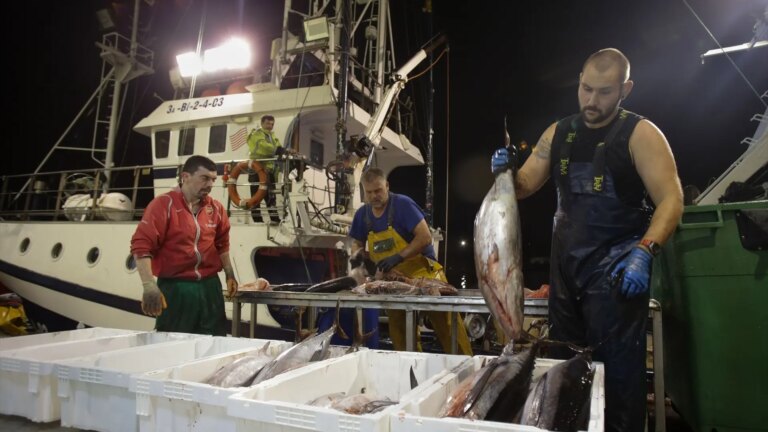
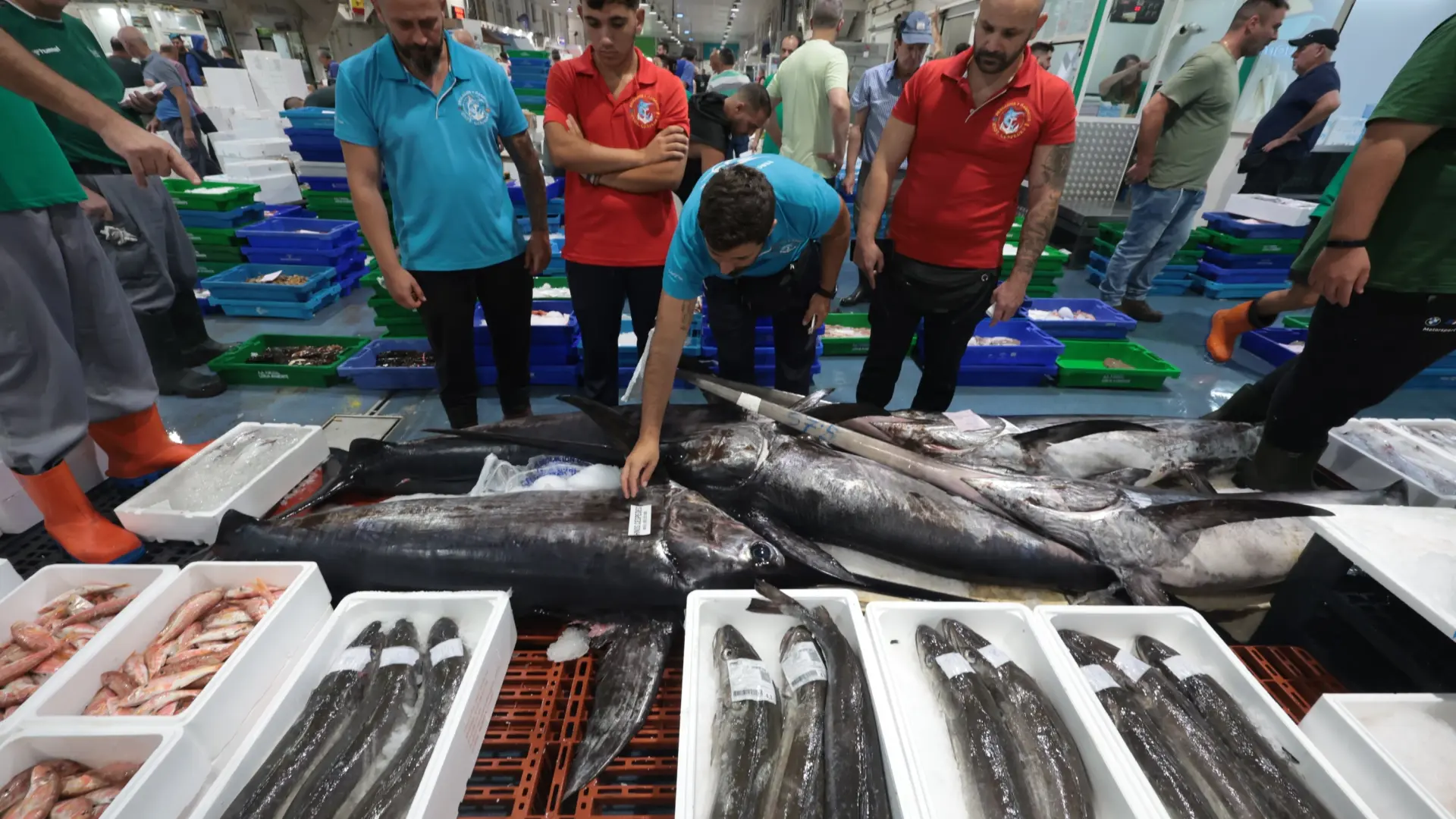
Sea products are essential ingredients in our Christmas celebrations. However, this year, the fish ‘made in Spain’ like the red prawn, squid, lobster, crayfish, monkfish, hake or mullet They may ‘disappear’ from many tables at upcoming parties. The reason lies in Brussels’ restrictions on the activity of the Mediterranean fleet. Since 2020, this fleet, made up of some 570 trawlers, has seen reduced fishing days by more than 40%in application of the multiannual fisheries management plan that applies to the Western Mediterranean. What has left their work days (‘fishing effort’) in a average between 130 and 140 daysa proportion that the sector sees as insufficient to ensure its survival. At this time of year, they warn, more and more boats are moored. All of this, on the verge of the ‘best’ month of the year for fishing: December. In this context, the Minister of Agriculture Luis Planas is negotiating with the European Commission a way for fishing vessels to ‘recover’ days of fishing and fishing in the remainder of the year.
We find a practical example in the port of Almería. The shipowner and president of the Andalusian Association of Women in the Fishing Sector (Andmupes), María Ángeles Cayuela highlights that “Since last November 10 there are already 9 boats without fishing daysto which another 4 or 5 will join this week.” Cayuela is sure that, if a solution is not mediated, “in 13 days between 25 and 26 ships” out of the thirty that would be based in this port will be stopped. “In the month of December there will be no oneonly 2 or 3 boats maximum, which unfortunately had a breakdown during the year and have days left without consuming,” he explains.
“In the month of December there will be no one, just 2 or 3 boats maximum, which unfortunately had a breakdown during the year and have days left without consuming”, María Ángeles Cayuela (Andalusian Association of Women in the Fishing Sector, Andmupes)
We traveled north following the Mediterranean coast and stopped in Torrevieja (Alicante). The major patron of the Fishermen’s Guild of this city and vice president of the National Federation of Fishing Guilds (FNCP)Pedro Carmona Pérez, warns that “50% of the Mediterranean fleet is already moored” and regrets that “Christmas begins here on December 6, with business and friends dinners, as well as restaurant shopping.” Confess that this year They are more “burdened” than ever and they do not know what will happen both next year and in 2027. But both Cayuela and Carmona emphasize that behind the more than 500 boats there are hundreds of people who live directly from the sea. The representative of Cofradías gives, as an example, the dramatic situation of a young shipowner from Santa Pola (Alicante), “who is 28 years old and requested a loan of 380,000 euros to acquire the boat from its previous owner and start the business.” Now, Carmona adds, “He has only been able to fish 138 days this yearthat is, 6 and a half months: How are you going to pay the bills? “.
All of this, in the words of Cayuela and Carmona, with crews that have not been able to generate a year of contributions in many cases and may be left without income. In addition, Europe only subsidizes a maximum of 52 days of shutdown, depending on the sector. The general secretary of the Spanish Fisheries Confederation (CEPESCA) and president of the European employers’ association Europêche, Javier Garat, adds that if the current situation is not remedied “there will be less fish from the Spanish Mediterranean and buyers, as always, will go to catches from other countries.” Garat acknowledges that “legal ways are being studied so that the fleet recovers fishing days,” and does not have to stop until next January 1. For now, the sector meets next Thursday in Barcelona with representatives of the Sea Directorate of the European Commission (EC) to discuss this issue.
“50% of the Mediterranean fleet is already moored,” warns the senior skipper of the Torrevieja Fishermen’s Guild, Pedro Carmona Pérez. Javier Garat (CEPESCA) points out that “legal ways are being studied for the fleet to recover fishing days”
‘Scare or death’ for the fleet
Since the pandemic, the European fishing councils in December – where the ‘pie’ of fishing quotas for community fishing grounds and those located in the North Atlantic and Mediterranean are distributed – have become the particular ‘fright or death’ for this fleet. The European Commission proposed allowing only 27 days of fishing a year ago. This meant reducing the ‘fishing effort’ by 79% in one fell swoop during 2025, although after a dramatic two-day negotiation and a threat of blockade, in the end maintaining the 2024 ‘small effort’ was conditioned on the application of a series of measures. Among them, a change in the meshes to 45 millimeters for those boats that fish on the coast and 50 mm for those who fish in deep waters. In addition to the installation of flying doors to minimize damage to the seabed, as well as the establishment of different stops or closures lasting several weeks.
With the aim of avoiding a scenario as dramatic as that of a year ago. The head of Agriculture Luis Planasasked yesterday at the penultimate meeting of European Ministers of Agriculture and Fisheries of the year, that the efforts of Spanish vessels to reduce environmental impact and increase energy efficiency be taken into account. Planas demanded changes to make the management plan, which regulates the activity of the Mediterranean fleetand highlighted that preliminary scientific analyzes speak of the recovery of fish populations in the area. Something that, he hopes, will be confirmed by the technical report that the General Mediterranean Fisheries Conference will publish in the coming days.
“There will be less fish from the Spanish Mediterranean and buyers, as always, will go to catches from other countries,” warns Javier Garat (CEPESCA)
The general secretary of Cepesca also vindicates the measures adopted this year such as the changes in the meshes, the closed seasons or the installation of flying doors on 192 shipswhich is estimated to allow a saving of 30% in diesel consumption. The president of the European fisheries association also agrees to highlight that the current Fisheries Commissioner Costas Kadis It is inclined to compensate the sector for all the efforts made, although it will be at the European Council on Agriculture and Fisheries on December 11 and 12 that will have the last word.