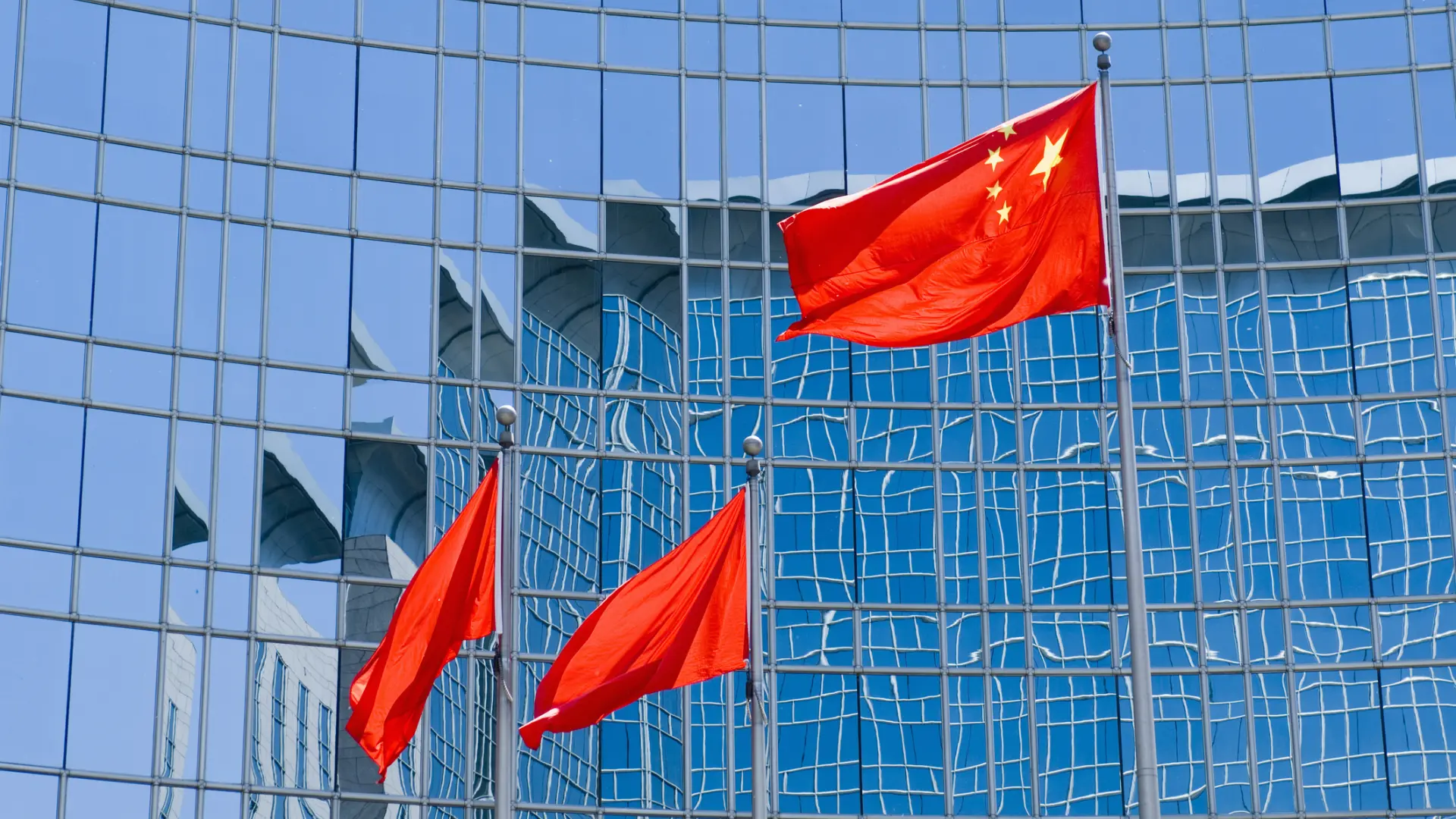
China and the BRICS continue to expand their influence against the dominance of the dollar and the S&P 500
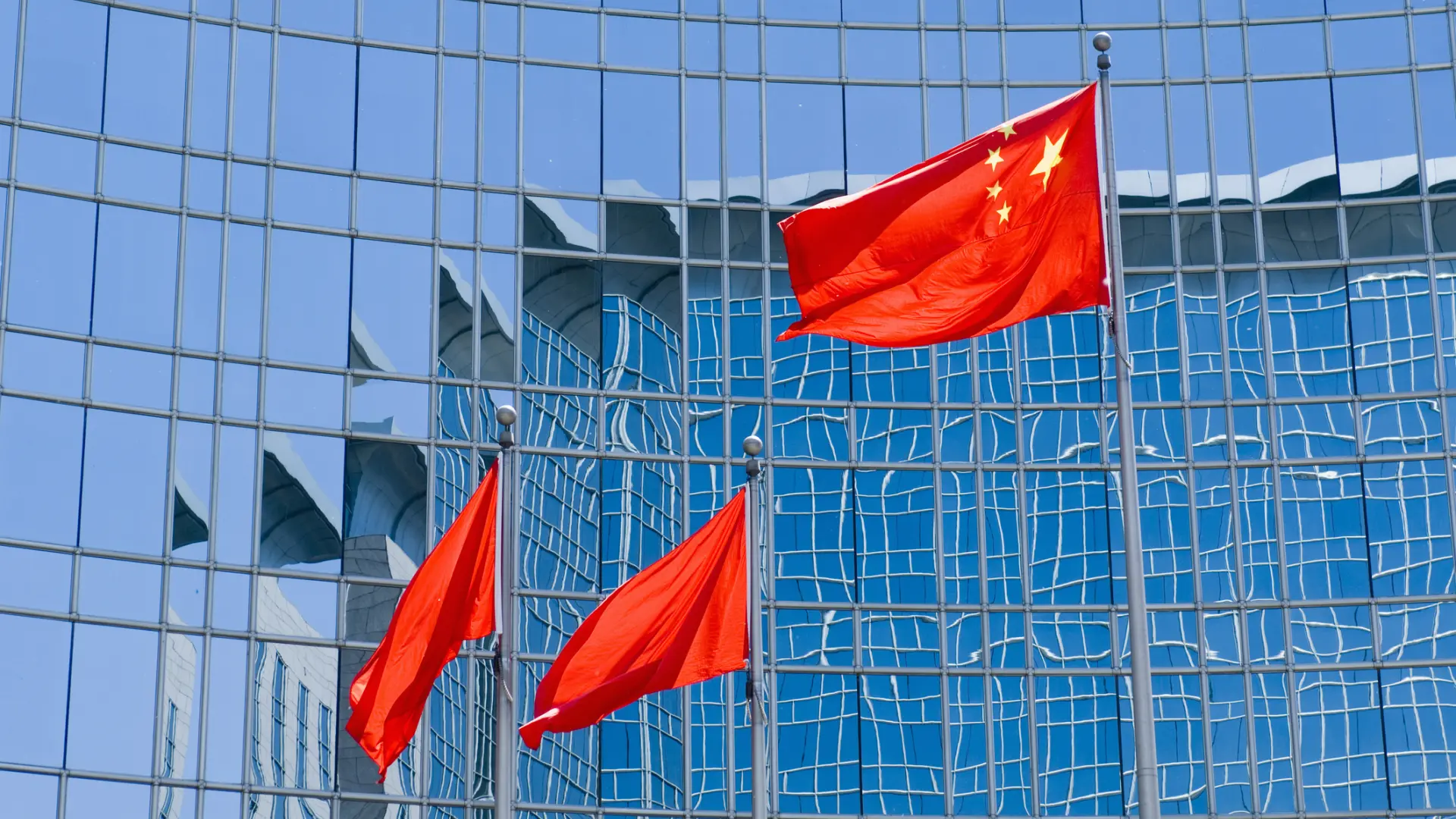
The dollar and the S&P 500 continue to lead the global financial systembut the last three years have marked a change in dynamics. China and the BRICS+ bloc (Brazil, Russia, India, China and South Africa, along with the more recent additions of Saudi Arabia, the United Arab Emirates, Iran, Egypt and Ethiopia) are gaining economic, commercial and financial relevance.
The institutional consolidation of the group, together with new monetary strategies and the rise of its capital markets, has begun to generate a rebalancing of flows and references that, although it does not yet replace US dominance, does call it into question in relative terms.
The relative weight of the S&P 500 falls
The S&P 500 index, the main stock market thermometer in the United States, represented 64.7% of the MSCI World in 2019. In 2025, its weight has fallen to 58.4%, according to data from Bloomberg. Part of the adjustment responds to the increase in stock market capitalization in China, India and Brazil, but also to the methodological review of global indices, which have begun to correct the historical underrepresentation of emerging economies.
The volume traded in the Shanghai, Bombay and Johannesburg markets has grown 35% since 2023driven by both domestic activity and the influx of foreign capital. In parallel, relative valuations generate additional attractiveness: while the S&P 500 is trading at 22.1 times expected earnings for 2026, the indices of India (17.3x), China (13.2x) and Brazil (11.8x) maintain lower multiples.
The dollar loses ground as an exclusive currency
The dollar continues to be the main reserve currency, with a share of 58.2% according to the International Monetary Fund. However, the trend is downward. In 1999, its participation exceeded 71%.
The advance of the yuan is the most relevant data in this new scenario. According to SWIFT, The yuan now represents 4.1% of international transactions, compared to 0.6% in 2010. The Chinese currency has gained ground especially in Asia, Africa and the Middle East, partly thanks to bilateral agreements that allow trade in local currencies.
China has signed more than 30 currency swap agreements with central banks, facilitating the circulation of the yuan outside its borders. In the case of Saudi Arabia, more than 13% of its energy exports to China are already invoiced in yuan. Russia, for its part, conducts more than 80% of its trade with China in non-Western currencies.
Investment flows: beyond Wall Street
Between 2022 and 2025, the volume of institutional investment directed towards BRICS markets has grown by 47%, according to data from Morningstar and the International Institute of Finance. Big management companies such as BlackRock, Amundi and UBS have launched specific funds for BRICS assets.
Several sovereign funds and central banks have also done so. In the last year alone, more than 40 public institutions have signed financial agreements with China or India. Saudi Arabia, Türkiye and South Africa are among the countries that have increased their exposure to equities listed in Shanghai, Mumbai and Johannesburg.
The strengthening of economic ties between the bloc’s countries is also reflected in the increase in intra-group trade. According to the Chinese Ministry of Commerce, exchanges between the BRICS exceeded $500 billion in 2024with a year-on-year growth of 12.7%.
This cooperation network is supported by energy agreements, digital infrastructures and joint industrial projects. Meanwhile, the use of currencies other than the dollar in international contracts, especially in Asia and Africa, continues to gain traction.
On the other hand, since 2015, the New Development Bank (NDB) has approved more than $30 billion in financing for infrastructure and energy projects, exclusively among BRICS+ countries.
Unlike the IMF or the World Bank, the NDB does not impose macroeconomic conditionalities on its loans. The group has also started testing an alternative payment system to SWIFTfocused on local currencies, and keeps open the possibility of a digital currency for intra-BRICS transactions.
Furthermore, the idea that the United States unquestionably concentrates technological innovation, institutional stability and economic leadership is beginning to be qualified by the emergence of regional poles.
Recent reports from Morgan Stanley, HSBC and BNP Paribas already incorporate detailed analyzes on BRICS+ assets, both in equities and fixed income. China’s growing role in world trade (more than 13% of the total in 2025), together with its role as the bloc’s industrial engine, reinforces this narrative.