reaches a new all-time high from $4,500
The price of gold and silver continues its rise this Friday, a holiday in most of the Old Continent, driven by central bank purchases, geopolitical tensions and the outlook of further rate cuts in the United States, which weakens the dollar in its exchanges with the main currencies and encourages the purchase of precious metals and basic raw materials.
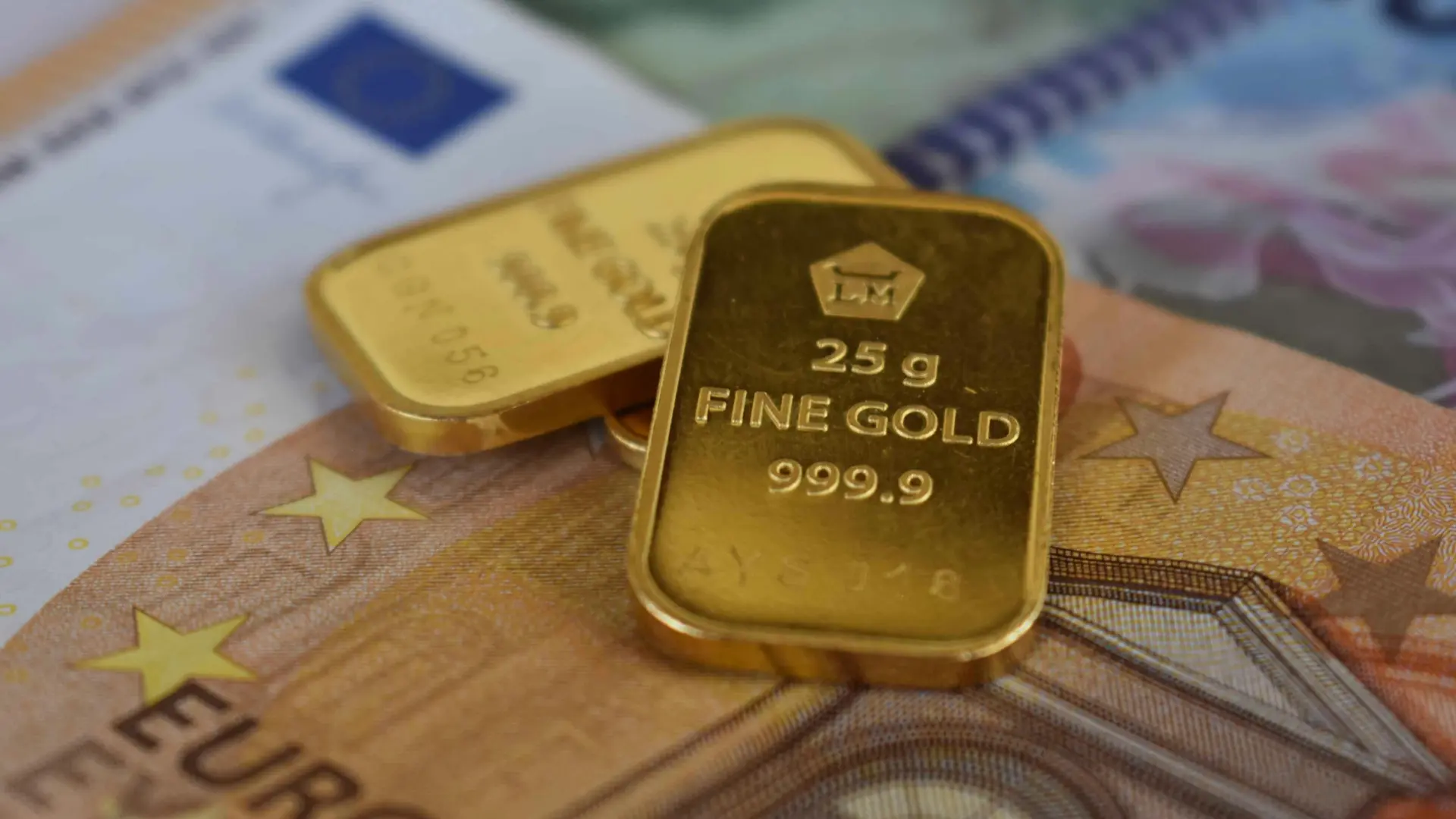
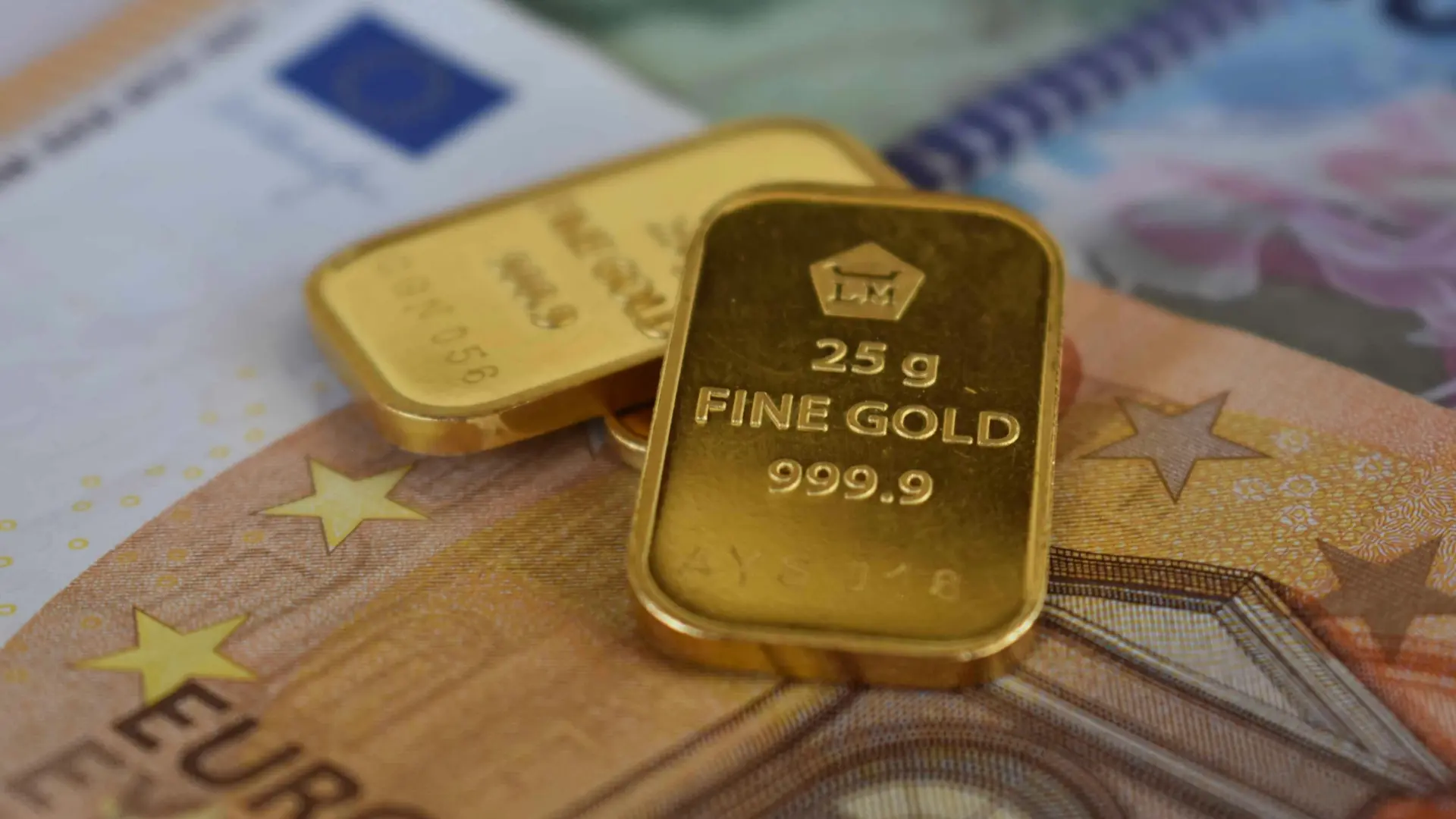
In the case of spot gold, which last Wednesday exceeded the threshold of $4,500 per ounce, In the Friday session it continued to climb to new highs and was trading at a record price of $4,531.24, with a daily revaluation of more than 1% and thus accumulating an increase higher than 72% so far this year.
In addition to gold, silver price accelerated its particular ‘rally’ with a rise of more than 5% compared to the previous session, reaching a new record of $75,485 per ounce, with which its price will already rise by around 150% in 2025. On the other hand, platinum futures reached an increase of more than 10%, reaching a maximum intraday of $2,475.85. The revaluation of the metal so far this year is thus around 170%.
The appeal of gold as a safe haven asset has also benefited in the last week due to growing geopolitical tensionsparticularly in Venezuela, where the United States has blocked oil tankers as pressure increases on the government of President Nicolás Maduro. In addition, gold is benefiting from the flow towards exchange-traded funds that replicate physical gold and which translates into purchases of physical metal by ETFs, which has accelerated the rise of the gold metal.
The different uses given to both metals also affect their price. Half of the demand for gold It comes from investments (bullion, coins and exchange-traded funds) and from central bank demand, while only a sixth of silver is for investment purposes. Gold also plays a more relevant role for jewelry (more than 40%) than silver (more than 20% if combined with silverware).
On the other hand, the industrial use of gold is scarce (less than 10%), while most of the silver is used in this sector (around 60%), with electrical and electronic applications, as well as photovoltaic energy, being the most important areas. Thus, the price of silver is more linked to the global economic cycle, making it more prone to corrections in the event of a slowdown in the global economy.