Companies fined by Consumer Affairs for applying false discounts on Black Friday 2023

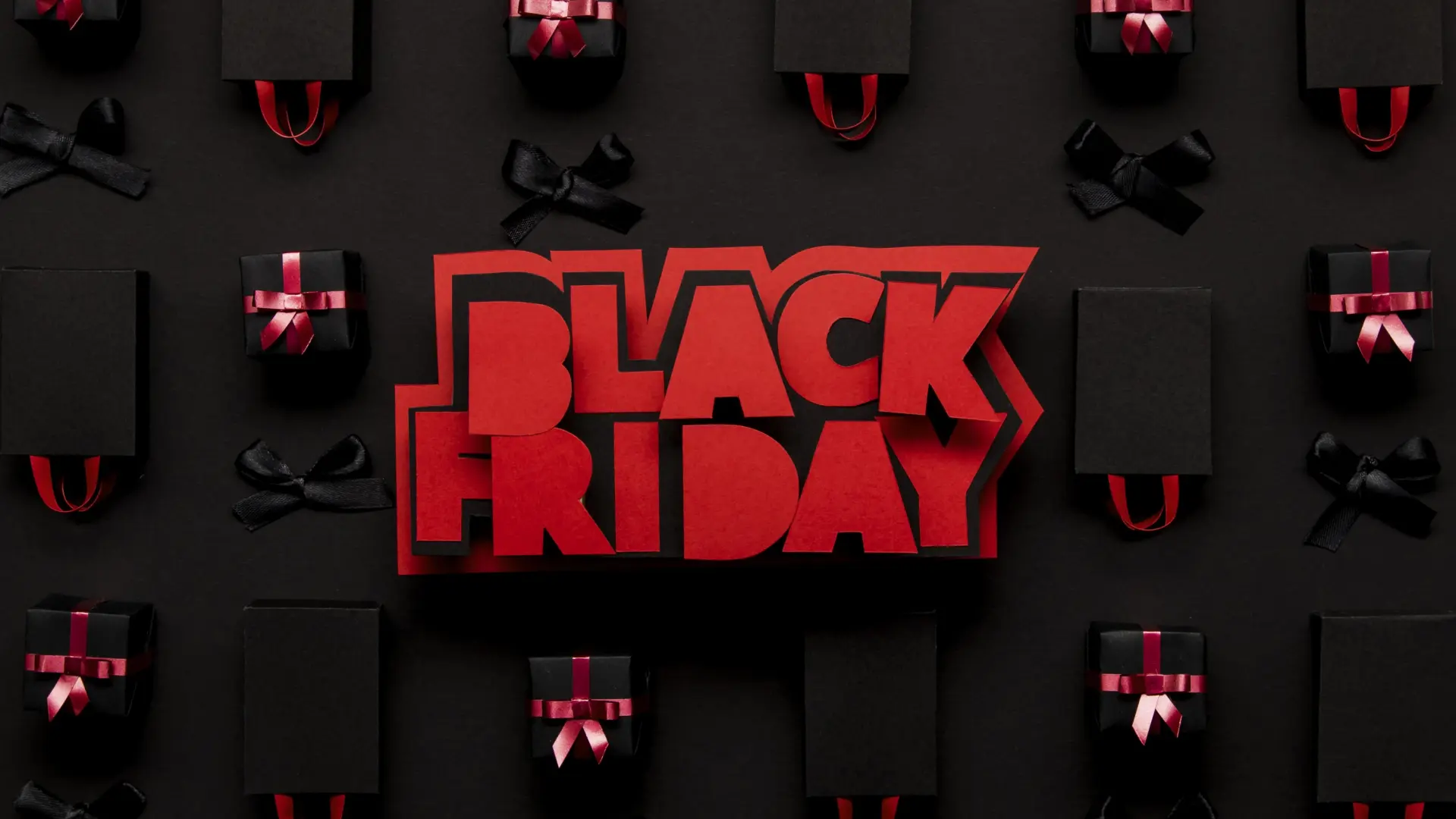
Mediamarkt, Carrefour, PC Componentes, Notino Italia and Gestaweb 2020 are some of the companies sanctioned by the Ministry of Consumer Affairs for carrying out false sales during the Black Friday of 2023.
This was announced this Friday by the cabinet led by Pablo Bustinduy in a statement in which it specified that the inspections carried out by the Ministry of Consumer Affairs In previous editions of Black Friday they concluded this summer with seven sanctioning proceedings against online commerce operators for “modifying” prices in a “deceptive” way in Black Fridaywith fines totaling 350,000 euros, as well as the prohibition of repeating these practices.
The nature of the sanctions allows the identity of five of the seven fined companies to have been made public, all of them for one violation of article 47.1 m) of the General Law for the Defense of Consumers and Users regarding the use of unfair commercial practices with consumers or users.
As detailed by the ministry, from highest to lowest amount, the companies sanctioned have been Notino Italia with 110,000 euros; Gestaweb 2020 with 100,000 euros; Media Markt with 25,000 euros; Carrefour with 21,500 euros and PC Componentes, with 1,500 euros.
These are five of the seven companies that were fined and to which an additional advertising sanction is added to the financial sanction, so the name of the brand is also disseminated. In addition, the seven entities have been forced to withdraw the false discounts published at the time, because they were “deceptive and unfair” to consumers.
From Consumption they warn that in promotions and discounts it should be used as a reference price (that is, the crossed out price from which the amount of the discount is calculated) the lowest price that has been shown in the last 30 daysas dictated by article 20 of Law 7/71996, of January 15, on the Regulation of Retail Trade.
Monitoring and surveillance campaign
Minister Pablo Bustinduy announced a few days ago that Consumption has launched a monitoring and surveillance campaign to investigate the possible misleading discounts from large companies during the well-known sales season called Black Friday o Black Friday and the following Cyber Monday.
Specifically, the General Directorate of Consumer Affairs is going to supervise, through a technological sweep, the fact that operators raise the price of products before Black Friday and then reduce them at its original price, in addition to other illicit dark patterns such as drip pricing, pressure selling techniques, dynamic pricing or personalized pricing based on personal data.
“All of them practices that They reduce transparency and seek to mislead the consumer. or make hasty purchasing decisions,” according to the ministry.
Dark patterns
Regarding the dark patterns that Consumption pursues, during this Friday it will expand the monitoring to other dark patterns, detecting through a illicit technological sweep such as trickle pricing, a technique in which part of the total cost of the product is “hidden” at the beginning of the purchasing process, with mandatory charges, such as taxes, administration fees or supplements, appearing only in advanced stages.
“These types of strategies reduce transparency and can mislead the consumer,” Consumo warned.
Along with this, sales techniques under pressure will also be pursued, among which “unrealistic” countdown clocks, “false” shortage messages or any other resource designed to “provoke an artificial sense of urgency, that seeks to make the consumer unconsciously make hasty decisions.
In turn, the dynamic prices, which are those that modify their quantity during the purchasing process and the inspection will check whether companies “duly explain the factors that influence price variation.”
Custom prices
In parallel, personalized prices based on personal data will be studied, which, according to the ministry, “they can generate discriminatory situations and violate the rights of consumers”.
Finally, the inspection will also focus on “misleading” price comparisons, that is, those in which the business compares the promotional price with another that has not been used in a “regular” way in the market, “generating the appearance of savings much higher than real”.