Congress knocks down the deficit path again, but the Treasury will continue with the Budgets
The Congress of Deputies has once again rejected this Thursday the deficit and public debt path proposed by the Government for the 2026 General Budgets. As already happened two weeks ago, the votes against PP, Vox, Junts and UPN have been enough to overthrow stability objectives that are a necessary preliminary step to be able to process public accounts.
However, The Treasury has made it clear that it will continue with the budget process despite this new setback. The ministry relies on a report from the State Attorney’s Office that endorses the processing of public accounts even though the Cortes have not given their approval. The Treasury intends to continue with the process using the deficit objectives sent to Brussels in the 2024 structural adjustment plan, which are more restrictive for the autonomous communities than those that failed on Thursday.
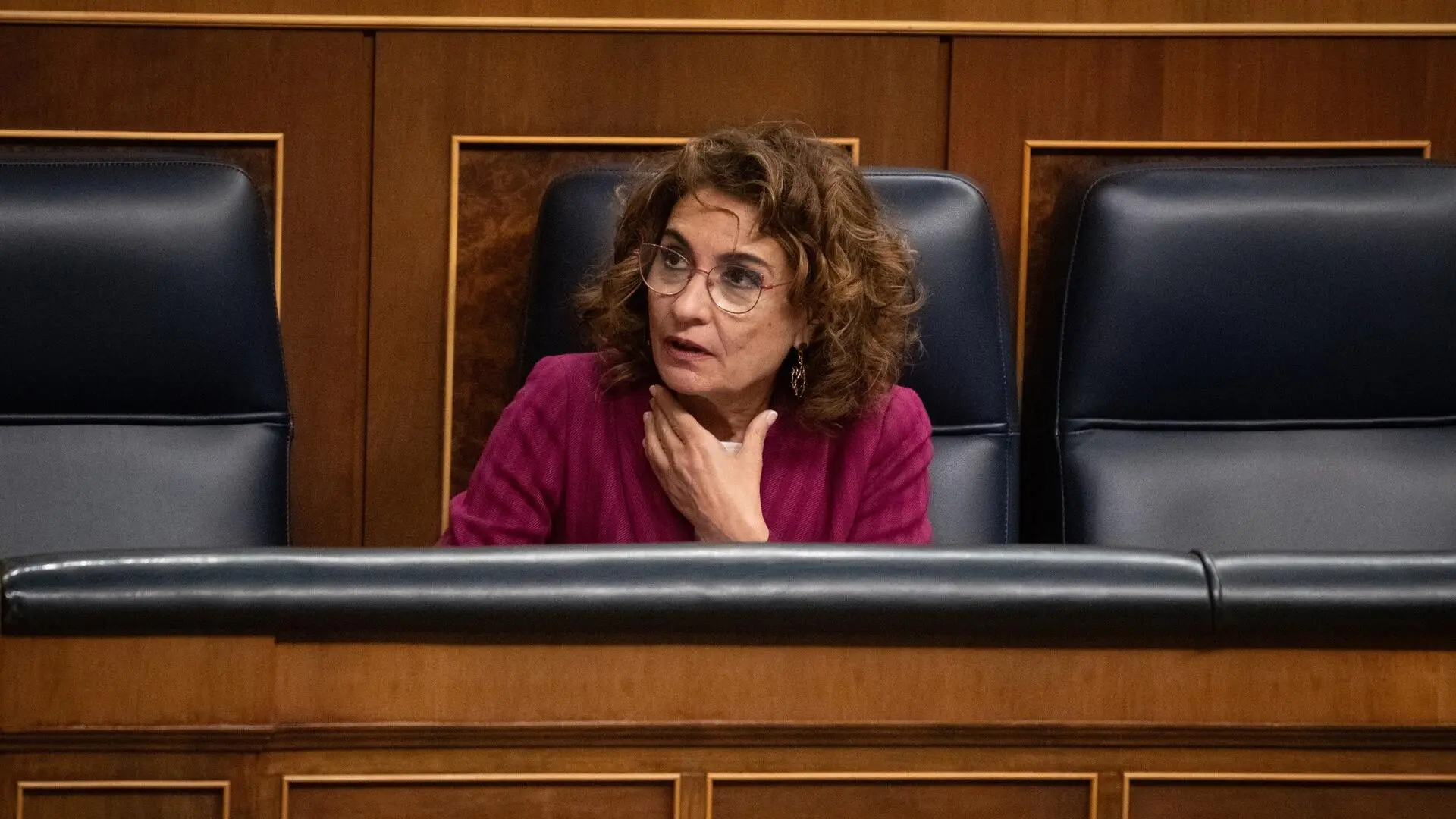
The first vice president and Minister of Finance, María Jesús Montero, has once again defended the same objectives from the tribune of the Lower House of deficit and debt that were already rejected in July of last year and that Congress vetoed, for the second time, two weeks ago.
The rejected objectives proposed a public deficit of 2.1% of GDP for the country as a whole in 2026, which would be reduced to 1.8% in 2027 and 1.6% in 2028. The reason that has once again led Junts to join the rest of the right-wing parties is the distribution of these limits. The Treasury proposal involves limiting the public deficit for the autonomous communities to 0.1% of GDP for three years.
A goal for the autonomies that the independence movement considers insufficient, despite the fact that The Treasury defends that the bulk of the fiscal adjustment until 2028 will fall on the State (and implicitly on Social Security, because half of the central administration’s deficit will be used to pay transfers to this organization to cover the pension deficit). The rejected debt limits set a public liability target of 100.9% in 2026, which would be reduced to 100% in 2027 and close at 99.1% for the last year of the projections.
“Neither objectives today nor budgets tomorrow”
If there was a possibility that the deficit path would go ahead, it would involve an unlikely change of position by Junts, which ultimately did not occur. In a brief but direct intervention, deputy Josep Maria Creuset reproached Montero for having presented the same numbers and not having incorporated any of Junts’ demands. “Failure to comply with Catalonia has consequences, failure to comply with agreements has consequences. Neither objectives today nor Budgets tomorrow,” he concluded.
Regarding the Government, the vice president Montero has once again focused his criticism on the Popular Party, whom he has reproached for his vote against “when he governs in most of the territories and they are the ones that will have the greatest volume of resources.” The first vice president has once again brought up the 5,485 million that, she maintains, the autonomous communities will lose. “Those who are harmed are the communities themselves, he pointed out.”
On the part of the popular party, Juan Bravo, deputy secretary of Economy of the party, has responded. “You have come to talk about the PP because you cannot talk about your work because you are incapable of approving Budgets. All the people he names as trusted today are charged or investigated,” said Bravo, who told him that “if you always do the same thing, you will get the same results.”
A plan of uncertain consequences
Montero’s plan to pursue the objectives sent to Brussels – endorsed by the Legal Profession – will be put to the test for the first time on this occasion. The Treasury was already considering this possibility last year, but finally decided to withdraw the Budgets due to the lack of support. The maneuver raises legal doubts and will likely be appealed in court by the parties that voted against it today.