Consumer Affairs recognizes that the drastic limitation of meat processing in residences will mean an increase in costs

The objective of the Ministry of Social Rights, Consumption and Agenda 2030directed by Pablo Bustinduy, to promote healthy and sustainable nutrition in hospitals, residences, libraries, universities or sports centers faces the economic reality of these services. The future royal decree establishes the limitation to a maximum of two weekly servings of fried foods and ultra-processed foods (processed foods with a high content of saturated fats, sugars or salt) in those public centers that offer a full board regime, as well as one ration per week in the case of breakfasts and snacks. According to the ‘regulatory impact analysis report’, which accompanies the draft royal decree, “although cooking from scratch is efficient in raw materials, the replacement of the usual cheap meat processing in dinners for fresh produce implies an increase in cost.” Consumption, which has carried out an audit crossing data on average food prices from the ‘Annual Report on Food Consumption in Spain 2024’ and real menus, warns that “The residences analyzed depend critically on these processeshaving identified dishes such as empanadas and croquettes”.
“Inflationary tensions”
In its analysis, the department led by Bustinduy admits that “the evidence shows that compliance with quality standards (organic, whole grain, extra virgin olive oil) introduces inflationary tensions” that can only be absorbed by changing the traditional dietary break “based on animal protein and industrial processes observed in many centers.” Therefore, he advises resorting to what he has called “a principle of inverse substitution”which identifies with aspects such as baking techniques, alternative proteins, seasonal flexibility, etc. That is, to finance the extra cost that can be incurred due to the use of higher quality inputs, they believe that we must be more efficient in the selection of proteins and in culinary technology. In addition to searching “eco-efficient suppliers” and encourage “energy transition in kitchens going from frying to convection oven”.
“The replacement of the usual cheap processed meats in dinners with fresh products implies an increase in cost” in the residences analyzed by Consumption, according to the ‘Regulatory Impact Report’ that accompanies the future royal decree
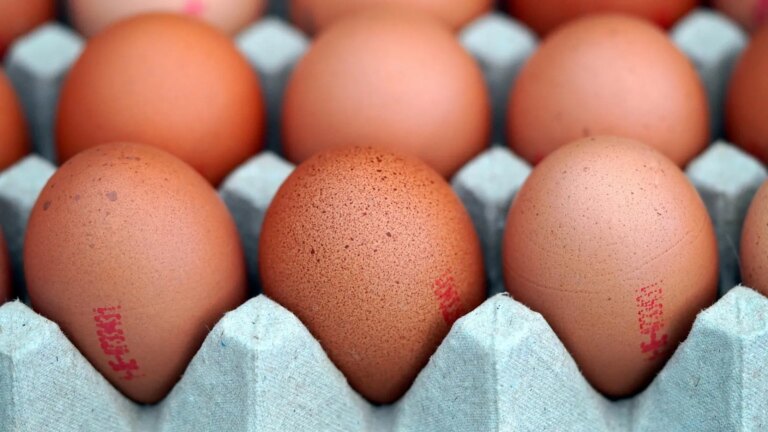
For all this, they propose alternatives observed in hospital centers such as “the use of eggs in non-fried preparationssuch as scrambled eggs and mushrooms, French omelette or scrambled peas.” Practices that Consumption considers allow us to offer “a fresh, easy-to-chew protein that effectively replaces industrial processing.” On the other hand, regarding the prohibition of ultra-processed foods on children’s menus and their limitation in hospital cafeterias and nursing homes for adults as well as in vending machines, they argue that it is “a measure with a highly favorable economic impact.” A reference to the gains in terms of health for the population that would be less exposed to products with high sugar content.
Less intermediaries and logistics costs?
However, with regard to the limitations on the use of pre-cooked dishes in the menus of hospital canteens, residences or museums, among other public centers that the norm also contemplates, in the Report this Ministry believes that they can generate “a reduction in the average cost of mealsespecially in those centers that currently depend on this type of products to complement their daily offering.” The substitution with fresh foods from local suppliers, something pursued by the text proposed by Consumption, would not only improve nutritional quality but would “by reducing intermediaries and associated logisticscan translate into economic savings for the collective catering service.”
In the ‘Regulatory Impact Report’ Consumption defends that the limitation of pre-cooked dishes in the menus of hospital or residence canteens will mean “a reduction in the average cost of meals” especially in the centers that depend most on this type of products.
This is how breakfasts, meals and snacks will be…
The future regulations, which will be available for comments and contributions on the website of the Ministry of Consumer Affairs until next January 20, establishes the structure of a complete lunch menu in residences, hospitals, universities or museums it will consist of a first course, a second, bread, dessert and drink, although it is contemplated that catering services will give the option of “half menus or single dishes.” All of this, with the aim of promoting what is described as “a healthy, balanced, varied, sustainable diet adapted to current nutritional recommendations.” Along these lines, the obligation to professional supervision of all these menus by professionals “with accredited training” in human nutrition and dietetics, who will follow the guidelines established by international organizations.
Regarding breakfasts and snacks, the text of the future fixed standard that must be “varied, complete and balanced.” The first should include food groups such as fresh whole and seasonal fruits, whole grains, dairy products. “no added sugars”, “healthy fats” (extra virgin olive oil, avocado, nuts…), drinks such as water or milk and “protein foods”. For snacks, the draft royal decree provides for hospitals, museums, residences or libraries that snacks prioritize fresh fruit “preferably whole and seasonal”, as well as the intake of small sandwiches with whole wheat bread, natural nuts and sugar-free dairy products.
Out with ultra-processed and “nutritional screening”
Ultra-processed foods will be completely excluded from children’s menus, which must include fruits and vegetables both in the main dishes and as side dishes, as well as “comprehensive options”(rice, pasta, cereals…) and dishes based on animal protein such as white and blue fish, seafood or poultry and rabbit meat. Likewise, it is established that water becomes the main drink and is free to consume. In addition to attending to the “special needs” of users from hospitals, residences or other public centers for health reasons (allergies or intolerances), ethical or religious reasons. The future standard also contemplates offering alternatives for people with gluten and lactose intolerance.
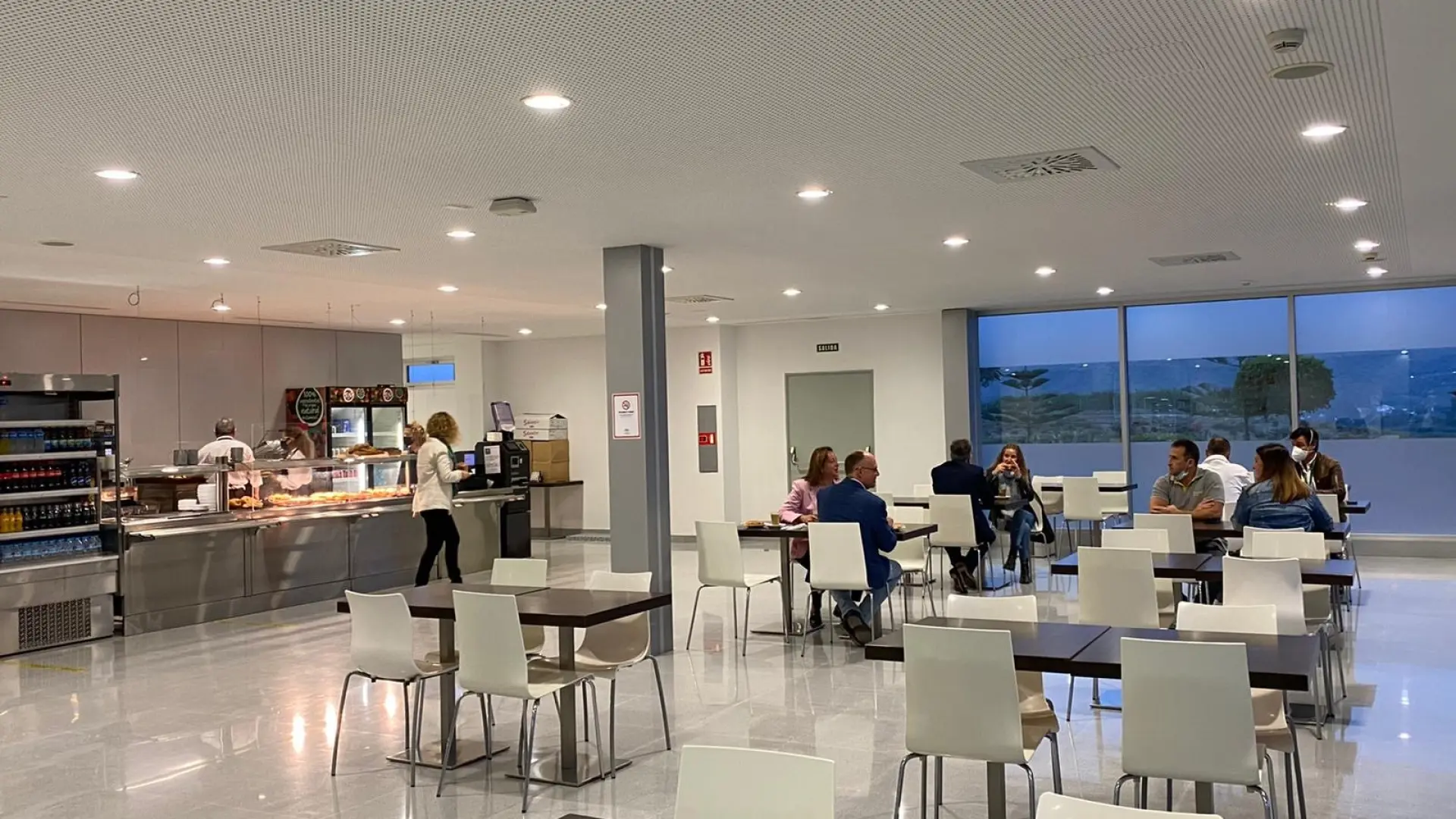
The future regulations establish the structure of a complete lunch menu in public centers such as museums or hospitals, which will consist of a first course, a second, bread, dessert and a drink, although it is contemplated that restaurant services will give the option of “half menus or single dishes.”
Likewise, the future royal decree will guarantee that residents and those admitted to hospitals or residences “nutritional screenings” at the time of admission as well as periodically during their stay to avoid situations of malnutrition in the elderly, patients with chronic diseases and the disabled. Likewise, they will promote “individualized nutritional care plans” for each user entered, considering their personal, ethical or religious preferences. Plans that will be documented and recorded for periodic monitoring.
Vending machines, healthier
Regarding the vending machines in the centers referred to in the future royal decree law (hospitals, residences, museums, libraries, universities, sports centers…) they establish that 80% of the offer will be composed of water, fresh fruit, fresh vegetables, non-fried nuts with low salt content, milk, whole grain breads, sandwiches or sandwiches made with ingredients such as vegetables, dairy products, fish or lean poultry meat and olive oil. In addition to including cold vegetable soups, dishes made from fresh vegetables, yogurts and fruit juices. Foods considered ultra-processed products should not be located in the central rows or at eye level.
Hot drinks dispensed from this type of machine will also have its limitations: The maximum amount of sugar added will be 5 gramswhile the default dispensed will be 0 grams. Likewise, kilocalories from added or free sugars will be limited to a maximum of 10%. “with a maximum content of 5 grams of added sugars or free per packaged portion”. A limit that will not apply to fruits and vegetables that do not have added sugars and, in the case of dairy products, will not be counted due to the characteristics of these foods.