Dermatitis in the eyelids or palpebral dermatitis
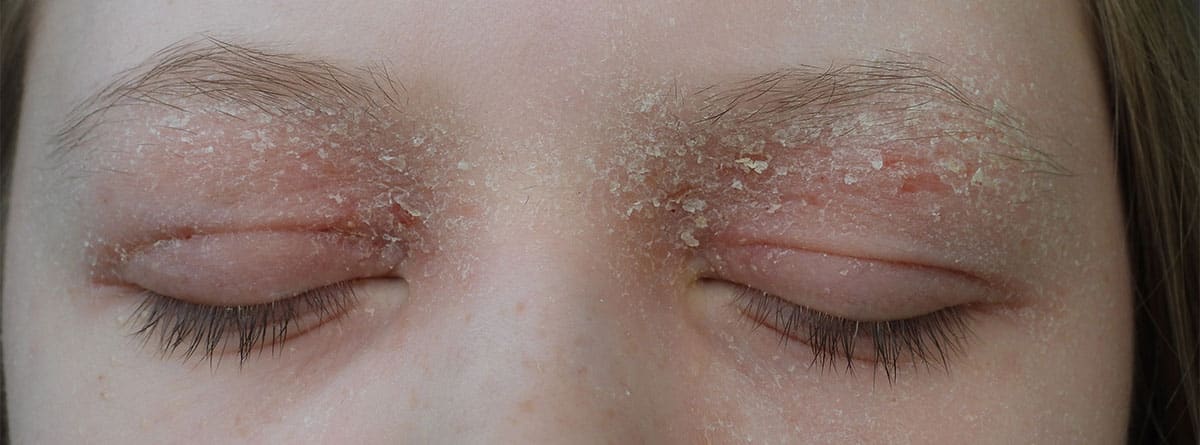
Palpebral dermatitis is an inflammation of the skin of the eyelids caused by allergies, irritants or conditions such as atopic dermatitis, although it annoying, it can be treated effectively. The treatment combines deleting triggers, apply topical medications and protect the skin with daily hydration and care.

Graduate in UPF-UB Medicine.
Master in Aesthetic Medicine and Comb-UB Agreement.
Degree in URL Communication.
The skin of the eyelids is as fine as delicate. Therefore, when an irritation appears in this area – pepper, redness, peel – it is normal to worry. Sometimes, the diagnosis is clear: palpebral dermatitis. The good news is that, although it bothers, This condition has treatment. But the most important thing is to understand why it happens and how to handle it to avoid repeating.
What is this condition?
Palpebral dermatitis is a Inflammation of eyelid skin. It can affect only the upper eyelid, the lower one or both. And although the name sounds technical, it actually refers to something that many people have once felt: that uncomfortable feeling of having irritated skin just where it shows the most.
There is no single cause. In fact, palpebral dermatitis can have different origins, and that makes the treatment approach vary according to each case. The most frequent are:
-
- Contact dermatitis: It occurs when The skin reacts to something that has touched. It can be allergic (for example, to a cosmetic) or irritative (by substances that directly damage the skin).
- Atopic dermatitis: more common in people with a history of eczema, asthma or rhinitis. Here, the skin already has a tendency to inflame.
- Seborrheic dermatitis: This usually goes hand in hand with more fatty areas of the face, such as eyebrows or sides of the nose. It has a more complex origin, with some Mallassezia fungus involvement.
How does it manifest?
Symptoms may vary from person to person, but there are some signs that are frequently repeated:
- Persistent itching that costs to ignore.
- Redness of the eyelid skin.
- Sensation of burning or burning.
- Dry, squamous or small cracks.
- Mild swelling (sometimes more noticeable in the morning).
- In chronic cases, the skin can become thicker or rough.
And the truth is that, beyond physical discomfort, there is also a Emotional impact. The eyelids are a very visible area. When they are inflamed, they not only bite: they also bother, worry, they affect self -esteem.
What can be causing it?
Sometimes the cause is evident. You put a new cream or changed eyeliner, and the next day … reaction. Other times, the origin is much more elusive. Among the most common factors we find:
- Make-up (especially shadows, eyeliners and masks).
- Facial creams or eye contour with fragrances or preservatives.
- Solutions for Contact lenses.
- Shampoos, soaps or even wet wipes.
- Pollen, dust, pet dandruff or mold.
The truth is that eyelid skin acts like a sensitive sponge: It absorbs everything, and if you don’t like something, it manifests it.
Diagnosis
In most cases, the diagnosis is clinical. The dermatologist reviews the skin, asks for a history, habits, used products … sometimes, it is necessary to do Epicutaneous tests (known patch tests) To detect specific allergens. It is a process that may seem long, but it is key to finding the real cause and not just “turning off fires.”
How is it?
There is no unique recipe, but a clear strategy: Treat inflammation, repair the skin and avoid triggering.
Eliminate what causes the problem
Yes, the first thing is to clean. Suspend all cosmetics or products that can be irritating the area. Sometimes, this already improves the painting alone.
Topical medications
Soft corticosteroids, such as hydrocortisone, are used in acute shoots. But eye: in eyelids, they should be applied only for a few days and under medical control.
Calcineurine inhibitorssuch as Tacrolimus or Pimecrolimus, are an excellent alternative for long -term use. Reduce inflammation without the side effects of corticosteroids.
If there is intense itching, you can Add an oral antihistamine.
Take care of the cutaneous barrier
The skin needs help to recover. The EMOLIENTS WITHOUT PERFUME OR CONTAIRS HELP TO RESTORE HYDRATION and strengthen the natural skin barrier. Applying them constantly (even when there are no symptoms) is one of the best ways to prevent relapses.
And if there is infection …
If they appear yellow crusts or secretions, A bacterial infection may have been added. In that case, the doctor can indicate a topical antibiotic.
Tips for taking care of your eyelids every day
Less is more. Use few products and are specific for sensitive skin.
- Avoid perfumes, alcohols and parabenos.
- Fake yourself gently. Micellar solutions without fragrance are a good option.
- Do not share makeup and change it regularly.
- Hydrates daily. Even if you don’t have symptoms.
- Don’t rub your eyes. Even if they picen, even if they bother. Scratch worsens everything.
- Always consult with a dermatologist. Nothing replaces a personalized evaluation.
Palpebral dermatitis is a frequent condition, but with adequate approach it can be controlled effectively. The correct diagnosis, The identification of triggers and individualized treatment are key to relieve symptoms and avoid recurrences. Consulting a dermatologist at the first signs is essential for Protect the delicate skin of the eyelids and prevent complications In the long term. In Mapfre’s health insurance you can count on great specialists in dermatology and ophthalmology that will be of great help.
Calculate your price
What you should know …
- Palpebral dermatitis is an inflammation of the skin of the eyelids caused by multiple factors, such as cosmetics allergies, atopic or seborrheic dermatitis, and exposure to environmental irritants.
- It manifests with itching, redness, dryness and inflammation; The diagnosis is clinical and may include tests to identify specific allergens.
- The treatment consists of eliminating irritants, using topical medications to reduce inflammation, take care of skin hydration and follow habits that protect the delicate skin of the eyelids to avoid recurrences.
Bibliographic reference
- American Academy of Dermatology (AAD). “Eyelid dermatitis.”