from the fungus that threatens paella to black spot in citrus
Blue tongue, avian flu, black spot, pyricularia, the much-publicized avian flu… Insects, viruses, fungi or mites attack crops or livestock herds. Pests, always present in the countryside, attract more and more attention in public opinion. He climate changean international trade in which some see insufficient controls or the restriction on the use of phytosanitary products These are the causes pointed out by the sector.
For Ramón Albajes, scientist at the Agrotecnio Research Center, attached to the Generalitat of Catalonia, and professor at the University of Lleida, “the most reliable data say that, In recent decades, pest damage has not increased in crops and forest masses. “What has increased is the number of species of harmful organisms.”
This would be related to factors such as the globalization of commercial exchanges with the free movement of people and goods. However, the expert warns that “with the great effort made to control pests”, The fact that the damage has not been reduced “means that something has gone wrong.” He even uses the term “failure.”
Decrease in Albufera rice
At the foot of the crop, agricultural organizations such as AVA-Asaja warned a few days ago against the action of the pyricularia fungus and the loss “soon” of traditional rice varieties in the province of Valencia, endangering a heritage that includes the legendary Valencian paella. Specifically, this agrarian association estimated that they were facing “the most ruinous harvest in memory” and they estimated 75% reduction in productiondue to this fungus, in varieties such as Bomba, Albufera and, to a lesser extent, J. Sendra rice. “All of them are especially emblematic of the area and interesting for the preparation of Valencian paella,” laments AVA – Asaja, and warns of a drop in the rice harvest of between 15 and 20% in the Albufera Natural Park.
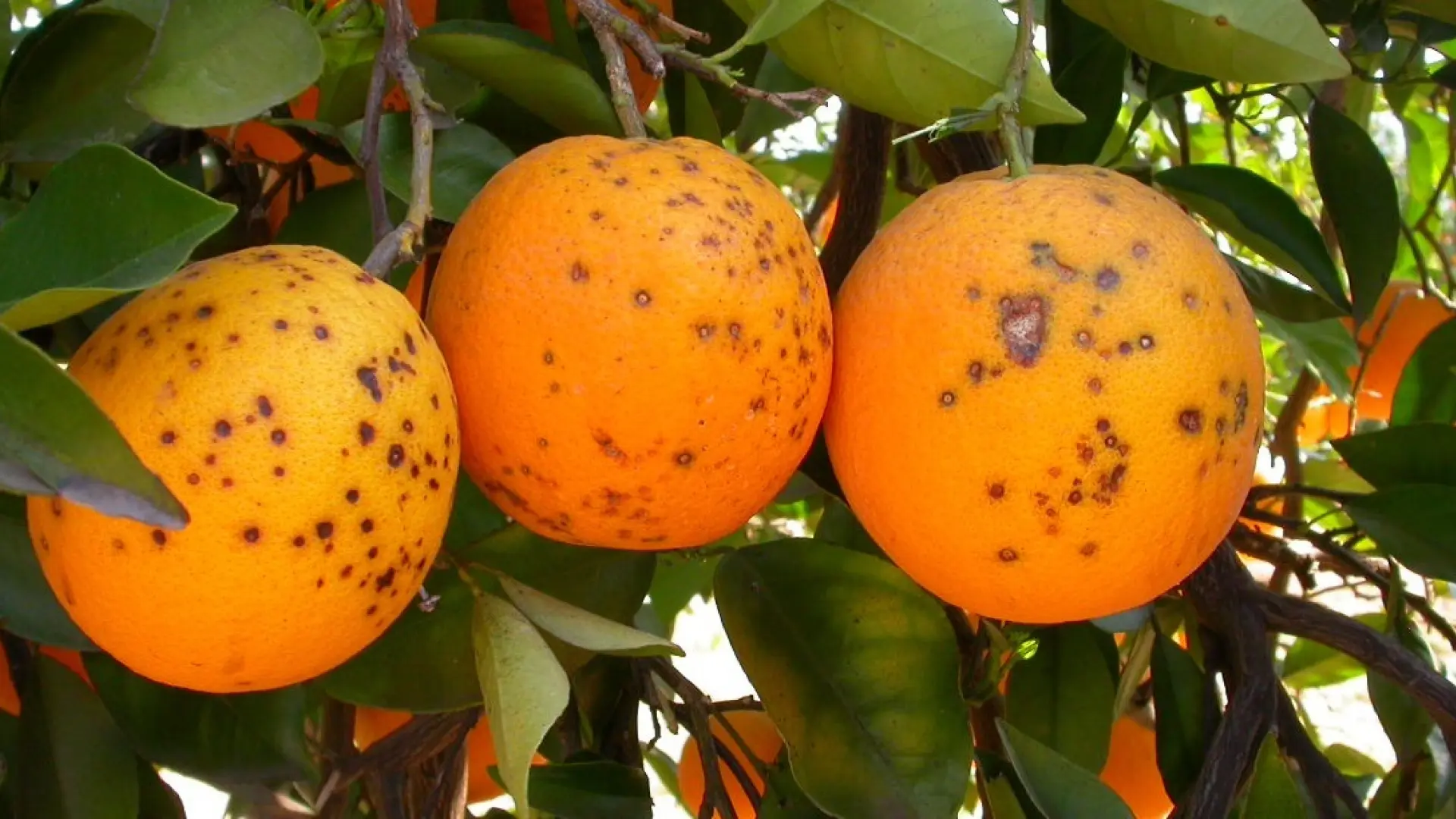
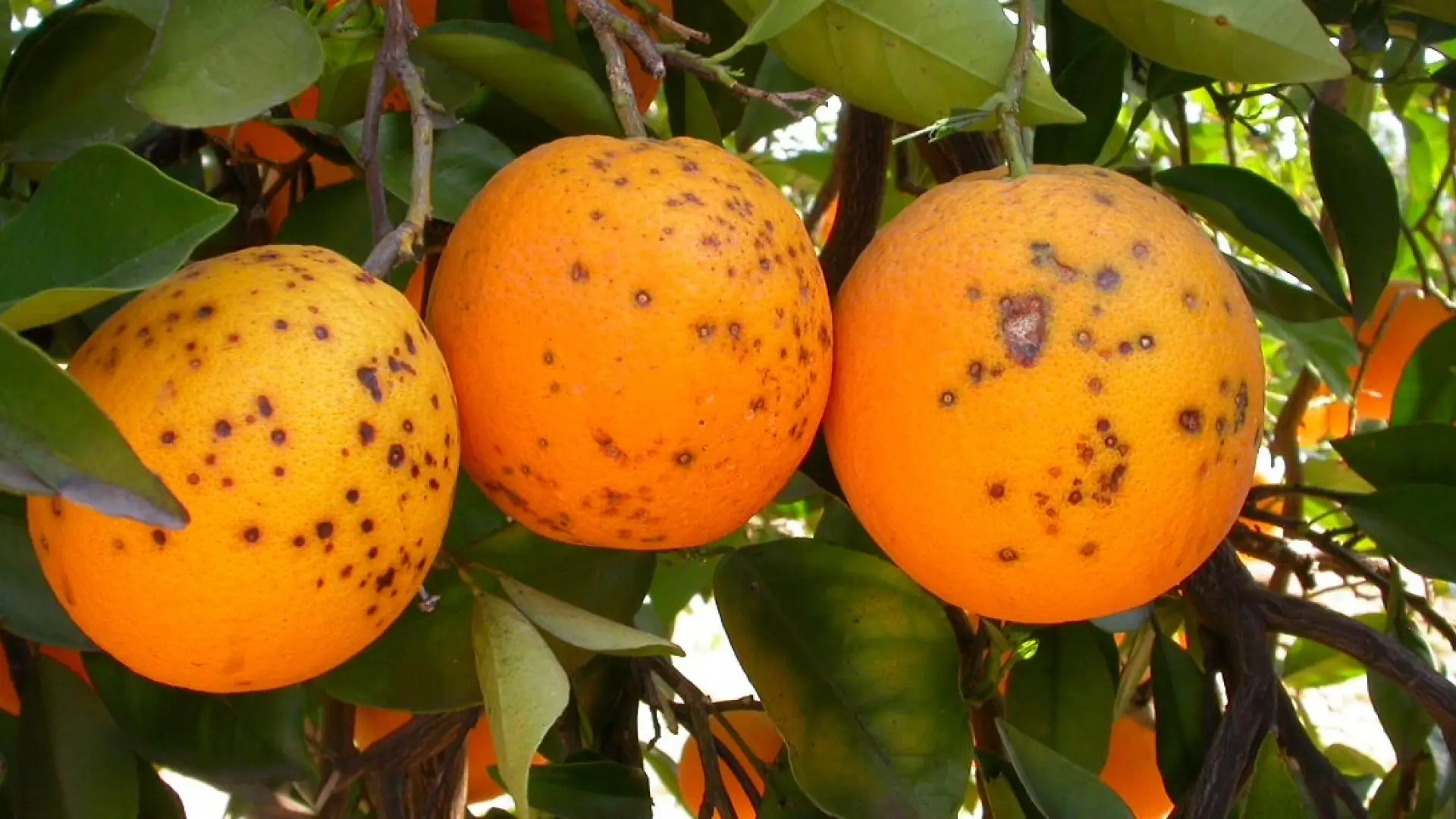
But pests are also imported from non-EU countries, through ports and airports. For example, this agricultural organization denounced at the beginning of last month that the citrus fruits from South Africa They had already accumulated 13 detections of black spot or ‘Phyllosticta citricarpa’, a disease whose introduction into European citrus farming would be lethal. To which were added 7 other cases of interceptions in European ports of the so-called bacterial canker of oranges or ‘Xanthomonas citri’ in imports from Mercosur countries.
Does climate change have anything to do with all this? For Albajes (University of Lleida) “what climate change does is the distribution of pests that go to places where they were not before and like plants They move slower than pathogens and insectsthese find plants without resistance mechanisms along the way.” However, they are cautious about whether there is a direct cause and effect.
AVA-ASAJA reported, at the beginning of last month, that citrus fruits from South Africa had already accumulated 13 detections of black spot or ‘Phyllosticta citricarpa’, a disease that could be lethal for European citrus farming.
International trade without (sufficient) controls?
The main agricultural organizations (Asaja, COAG, UPA, Union of Agri-Food Unions and Cooperatives) also point to the control of goods at the border as another factor related to the appearance of certain pests in Spain. Specifically, they have been asking for increased surveillance at the entry of agricultural products from third countries. A commitment included in point number 18 within the pact of 43 measures signed by UPA and Union of Unions with the Ministry of Agriculture in April of last year, which was reached after the massive mobilizations in the European countryside prior to the European elections that summer.
This issue was the subject of debate during the Government control session in the Senate held last Tuesday. The popular senator Jorge Martínez Antolín spoke of “insufficient” supervision and questioned the integration of official control services at border posts, in force since January of this year.
The Minister of Agriculture Planas responded that Spain has 581 officials assigned to the inspection of food entry at border control postsand maintained that this is 39% more than in 2018, the year in which he arrived at the Ministry. In this sense, he specified that 473 veterinarians and agronomists work in the 27 ports and 10 Spanish airports with border posts, as well as 108 inspection technicians supported by administrative and computer personnel. In this regard, he added that last year there were 314,000 controls on plant productswith around 2,000 shipments rejected, as well as around 69,000 controls on products of plant origin, with around 700 shipments rejected. Planas insisted that “not just anything goes into Spain.”
Spain has 581 officials assigned to inspect food entry at border control posts, 39% more than in 2018. Last year, 314,000 controls were carried out on plant products, with around 2,000 shipments rejected, as well as around 69,000 controls on products of plant origin.
For Ramón Albajes, who is also a member of the Spanish Association of Plant Health (AESaVE), “International trade without sufficient border controls is a problemand the European Union is already taking interest in this issue, but there are still not enough inspectors in Spain.” Specifically, this expert maintains that “many data contradict each other, but that the percentage of material that enters and is inspected is ridiculous and is no one’s fault, because the system does not do more than it can do.” In this regard, this scientist specialized in biological pest control proposes carrying out “studies of which are the most sensitive crops, of what countries come…”. From his point of view, “risk analysis is key”.
To the above, the scientist adds that “pests often enter through seeds” and, as an example, he mentions that “one of the groups of plants that travel the most, and that cause the most problems are the ornamental ones”, that are introduced into greenhouses, which prevents possible diseases from being stopped.
The regulation of phytosanitary products, in question
The third and final leg that makes up this sort of ‘perfect storm’ are the European restrictions on many phytosanitary products, which some organizations even call a ‘corset’. For their part, AVA-Asaja estimates that “the accelerated and excessive suppression of phytosanitary products without alternatives effective caused more than 80 million euros of losses in many crops.” They explain that “the few that are authorized generate resistance due to its zero rotation in the mode of action”.
From COAG, its fruit manager Andrés Góngora, calls for “more agile legislation” for “exceptional phytosanitary authorizations that last one year”
In Albajes’ opinion, “phytosanitary products are causing problems for people, animals and the environment, so we must regulate.” However, this scientist gives farmers part of the reason when he points out that “the European Union has been very strict and has now begun to implement mechanisms that “They have left farmers without tools.”. Along these lines, he clarifies that the latter “does not mean that this policy is wrong, since we must “avoid the damage caused by phytosanitary products.”
From COAG, its fruit manager Andrés Góngora, asks “more agile legislation” for “exceptional phytosanitary authorizations” and criticizes the demands of some of the supermarket chains “which are more restrictive than compliance with the standard”, something that, in his opinion, “should not be allowed”.
The professor from the University of Lleida gives as an example of what happens with phytosanitary products his experience with corn and the ban, several years ago, of Imidacloprid for its use against soil insects. “gaining prominence and damaging the crop.” However, he also considers that there are other factors that may be increasing this type of disease, such as the fact that thanks to irrigation in certain areas of Lleida there are more crops (winter and summer) and fallow disappears, “where some predators took refuge.” For all of the above, Albajes concludes that “agricultural practices also contribute to stopping pests, other times they do not help. It is a complex issue, we cannot speak in general, but rather case by case and area by area.”