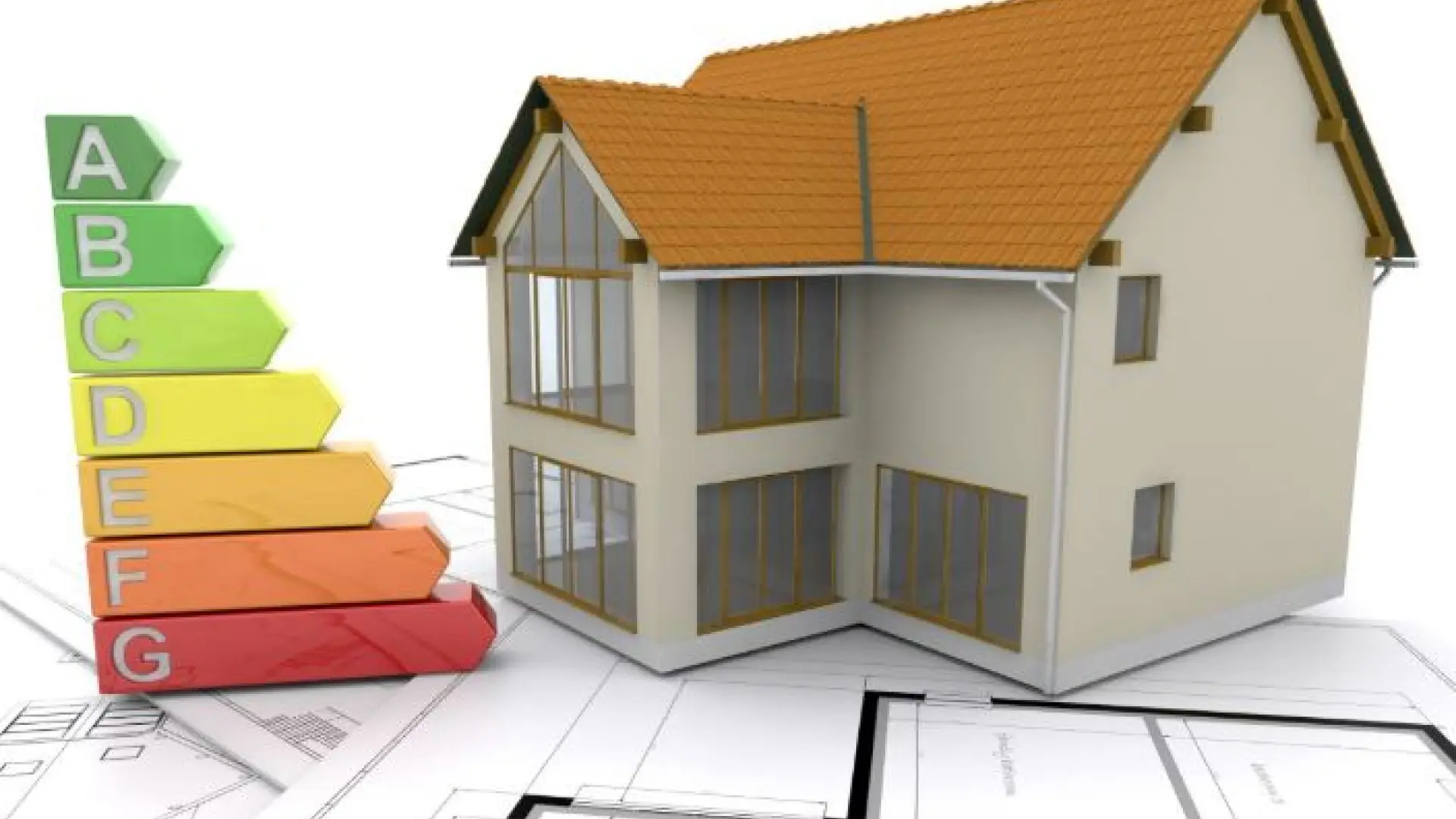
Homes with a high energy rating cost almost 10% more expensive
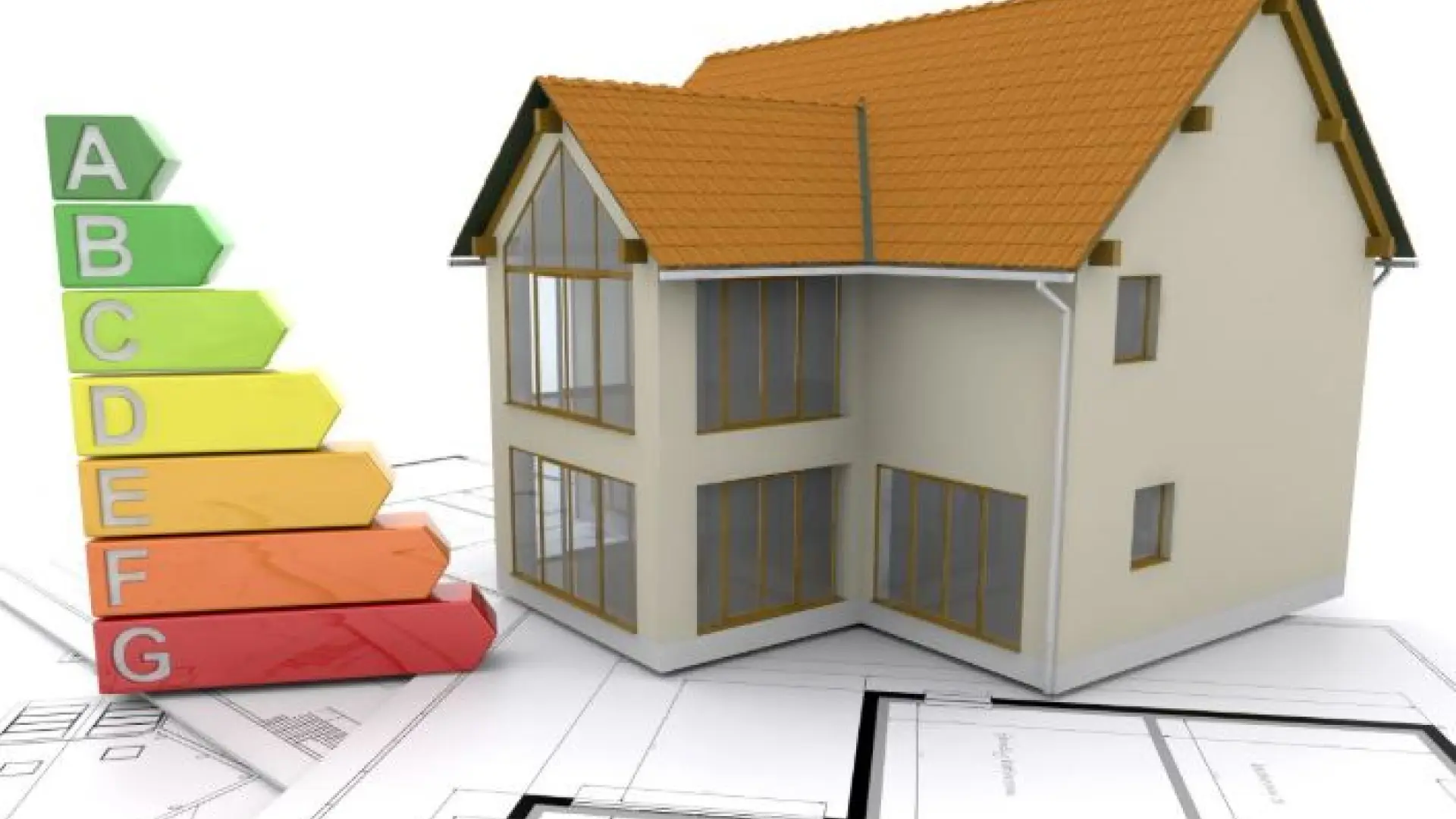
The homes with energy rating A or B They sell, on average, 9.7% more expensive than those with a lower rating, according to a report by Bank of Spain (BE).
Coinciding with the World Energy Saving Daywhich will be held next Tuesday, October 21, the experts from HomeServe, a company specialized in home installation, repair and maintenance, recalled that the new European Energy Efficiency Directive of Buildings (EPBD) requires that all homes, so that they can be sold or rented, reach at least category E before 2030, placing this threshold at the letter D for the year 2033. To this must be added the commitment to zero emissions in 2050.
In the case of Spain, as the experts highlighted, more than 80% of the residential park has a poor energy ratingwith energy label E, F or G. This will mean that millions of properties will have to be energy-efficient if they want to be sold or rented. More than 50% of the homes in our country were built before 1980 without thermal insulation criteria, hence the energy rating of the homes is poor. This translates into a high energy consumption for homesespecially in air conditioning and hot water, which, according to MITECO, represent approximately two-thirds of energy expenditure.
Added to this is that a recent study by the Bank of Spain (Occasional Document No. 2508, May 2025) concluded that Homes with energy rating A or B sell, on average, 9.7% more expensive than those with lower qualifications. This difference has increased over time, demonstrating that energy efficiency has a direct economic impact on home value.
And this was also pointed out by a report prepared by IESE and Tinsa, which indicates that each improvement of one letter in the energy rating can increase the value of a home by 1.3% on averagereaching up to 4.8% in cold areas such as Cantabria. This phenomenon, known as green premium, reflects a growing trend in which buyers increasingly value efficient homes and are willing to pay more for them.
As the company’s experts point out, one of the reasons is that efficient housing reduces energy consumption and, therefore, the monthly bill; besides, improves thermal comfort and indoor air quality; protects against future regulatory demands; and contributes to long-term sustainability goals. All of this influences the perception of quality and functionality of the property, and its valuation in the market.
Active and passive solutions
In this context, HomeServe experts indicated that solutions to improve energy efficiency are divided into two large groups: passive, such as thermal insulation, controlled ventilation or sun protection; and active, such as aerothermal energy, solar panels, LED lighting or home automation.
Likewise, they explain that the combination of both solutions can rreduce energy consumption between 40% and 70%depending on the degree of intervention; and that, to facilitate these improvements, there are public aid and tax deductions that allow most of the actions to be financed. HomeServe offers individualized plans for each case, comprehensive management and financing, adapting to the needs of each home.
HomeServe experts also pointed out that a comprehensive rehabilitation allows us to improve the energy rating of the home on several levels, for example, going from an F to a B, but in addition, specific improvements can be carried out that allow us to improve the energy heating of the home by one or several letters. All this translates into significant economic savings on bills. and in an increase in the value of the home.