“It is essential to bring the retailer back to the stock market”

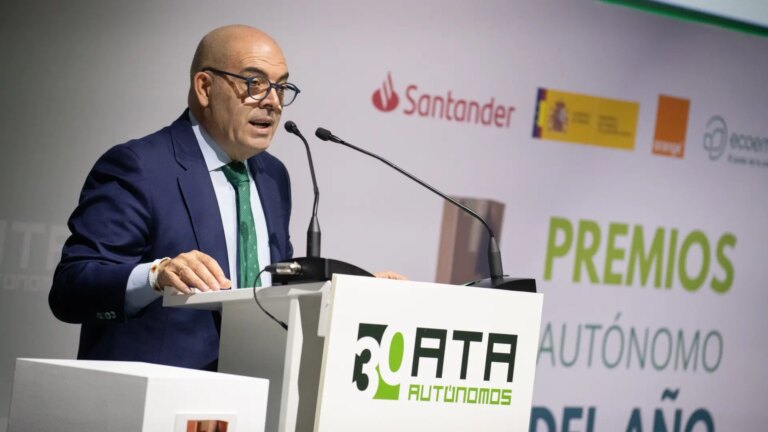
The CEO of Bolsas y Mercados Españoles (BME), Juan Flames, calls for promoting a climate that favors the access of individual investors to financial markets so that they can contribute to the growth of companies. “We need to strengthen our markets and to do so it is essential to bring the retailer back to the stock market,” said Flames. During the annual balance sheet that BME carries out, it has put on the table the need to design instruments such as the well-known ‘Swedish account’ in order to provide fiscal incentives this transfer of funds from traditional products savings towards financial investment products.
With this objective on the horizon, Flames has recalled the launch of initiatives such as the special rate for retail operationss, which represents a reduction of up to 50%, which is added to other initiatives such as the creation at the end of 2024 of SpainAtMid, which allows high-volume operations to be crossed. “It is a priority to put it back on the Stock Market at the epicenter of the economy. Neither public spending nor bank credit will be sufficient to face the great challenges facing Europe“he warned.
In this sense, Flames has also highlighted that the operator of the Spanish stock market works “closely” with regulators, supervisors and other market agents to boost the competitiveness of capital markets and make them more accessible. “The Spanish market shows additional attractiveness for companies in an environment in which national regulation and European rows in favor of the stock markets“, he added in reference to the European Commission’s plans to develop the Savings and Investment Union (SIU), which seeks to channel savings deposits into productive investments.
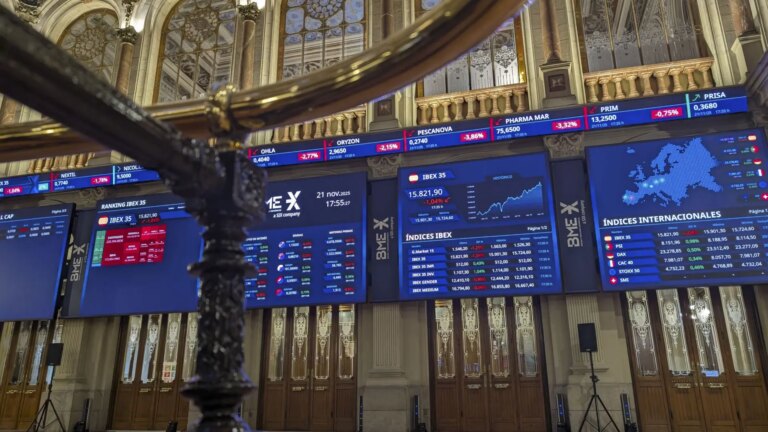
Flames has used to take stock of its first year at the head of this responsibility – he joined the position in November 2024 – in a year in which the Ibex 35, the Spanish stock market benchmark, has reached historical highs. The index has touched 17,000 points this week, something unprecedented in the 32 years of its history, with a revaluation of 46%which puts it on track to record its second best year behind 1993. A threshold that exceeds in a context characterized by the favorable evolution of the Spanish economy, leading growth among developed countries.
“Companies have published good results and the markets They have included it in the quotes. Last year we said that the macroeconomy would favor the Spanish market and sectors linked to the cycle, such as banking, energy or distribution, and we have not been too wrong,” he remarked. For the third consecutive year, the Spanish stock market It will be placed among the best on the Old Continentpushing the market capitalization above one trillion euros. At the end of November, the market value of listed companies represented 98% of GDP.
Traditionally, the average profitability of the national stock market has been one of its strong points, reaching an average of 4.1% since 1986, being one of the highest rates in Europe, which makes it one of its main attractions. At this profitability, we must add the 38.7 billion intended to reward the shareholder between dividends and buybacks of own securities, which has resulted in an increase in activity. The volume of Hiring has increased by 19%to stand at 349,000 million, while the number of operations has increased by 7% and reaches 29 million.
This “good time” that the financial markets are going through has generated greater interest due to IPOs, with up to three additions. These are HBX, the parent company of Holtebeds, Cirsa and Izertis, as well as eleven others in BME’s growth markets. It is worth remembering that BME has promoted BME Easy Access, an IPO mechanism that allows the admission of shares without the need for a minimum share distribution.
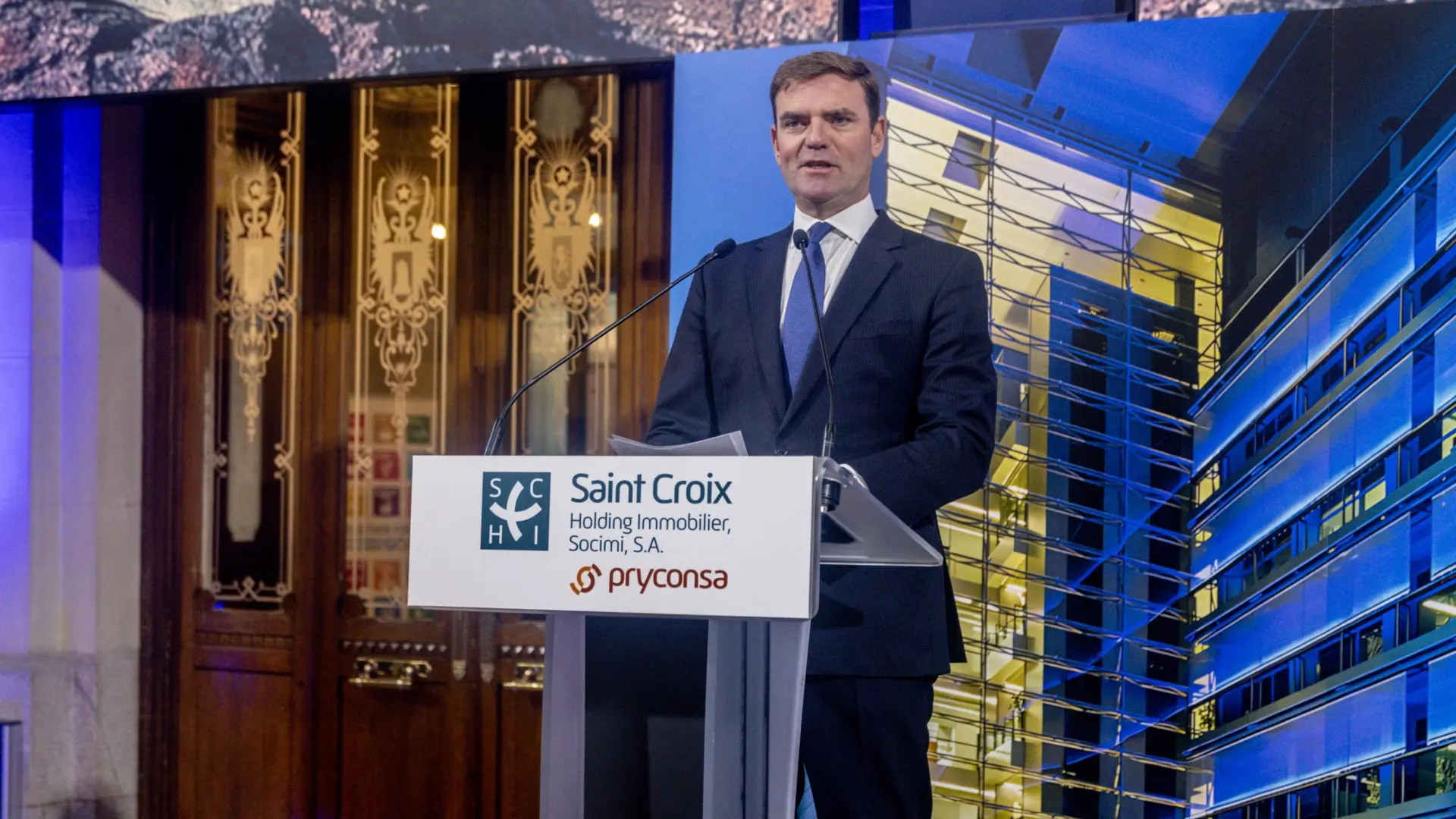
Flames has been accompanied by Bjørn Sibbern, the CEO of Six Group, the owner of BME, who has focused his intervention on the “extraordinary” recovery capacity of the world economy, among which the “strong” economic boost of activity in Spain. “This is partly due to the fact that the country’s export structure is less concentrated in the sectors most exposed to the highest tariffs in the United States,” he pointed out.
Despite this, he has warned that as geopolitical readjustments deepen, the world economy becomes increasingly sensitive to political decisions, regional tensions and changes in investor confidence. “The fragile relations between countries and economic areas increase the risk of disruptions in the markets, which financial market infrastructure (MFI), like BME, they must cushion with stable and resilient systems. At the same time, international competition forces us to continually improve our efficiency and to offer attractive and compatible services globally“he stressed.