Labor hopes to approve the increase in the minimum wage at the end of January

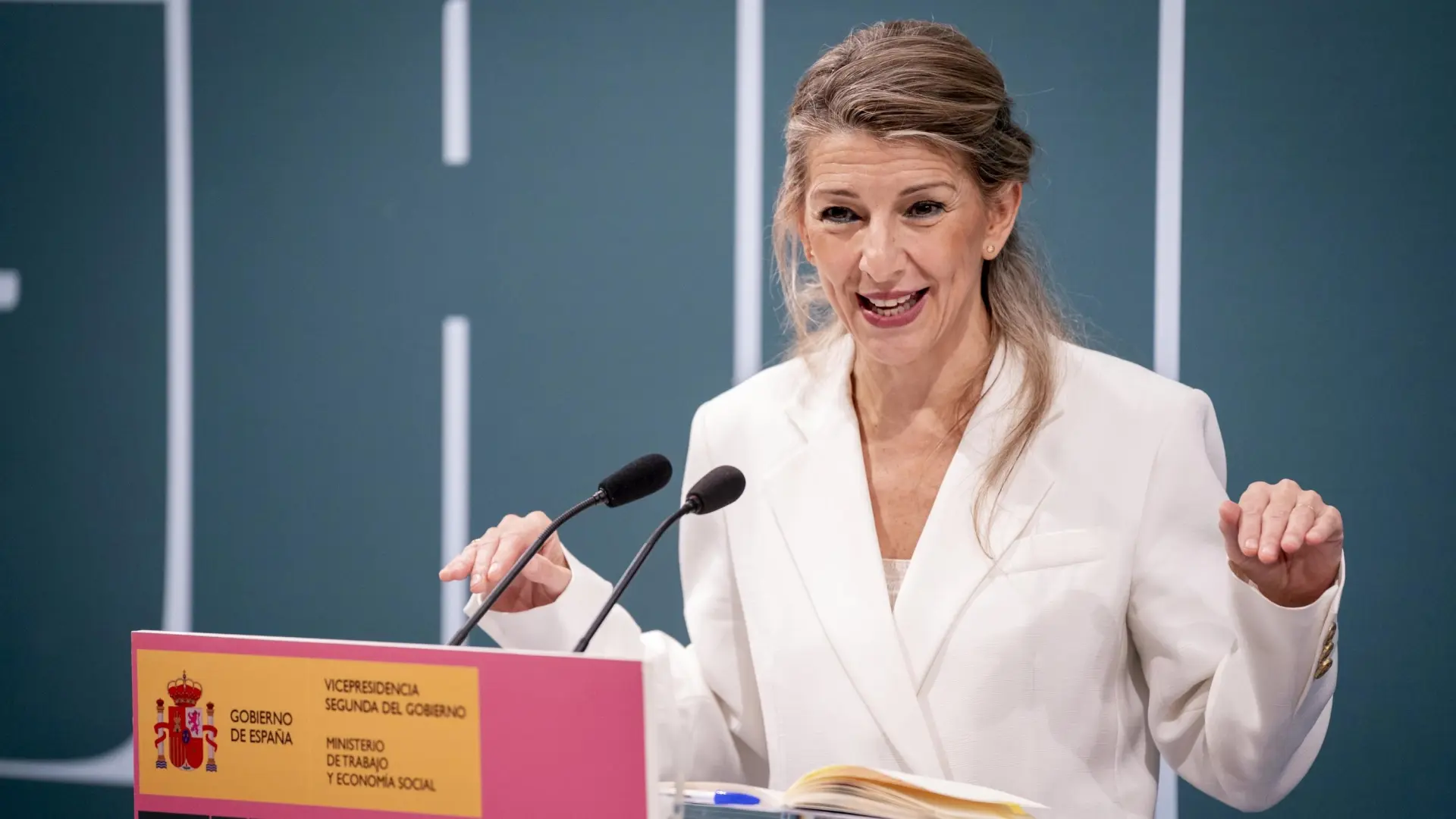
The Ministry of Labor plans take a pause in the negotiations to raise the interprofessional minimum wage (SMI) during this Christmas. After a first meeting on Tuesday that served little more than to test the margin of negotiation between unions and employers, Yolanda Díaz’s team has decided to stop the meetings until next January, the month in which the salary increase is expected to be approved.
This was reported by ministry sources in an informal conversation with journalists this Wednesday. ANDhe last Council of Ministers of the year will be held next week and the negotiation has not yet reached sufficient maturity to have a closed agreement by that date. The recently agreed extension of death permits will not be approved at that meeting either, it will also be postponed to the beginning of next year.
The big question that still remains unanswered is whether the legal minimum remuneration will have to go through personal income tax or not. A key issue that will decisively influence the figure that Labor will put on the table, already in January. If the SMI has to pay personal income tax, the increase will be more generous, Labor has already warned several times.
The fiscal ball is in the court of the first vice president, María Jesús Montero. For now, The winds blowing suggest that the Treasury intends to keep the minimum wage out of the scope of the income tax return. Sources from the ministry recently indicated that they are studying whether to expand the deduction that has allowed SMI recipients not to have to pay personal income tax this year.
Although the decision has not yet been officially made, In the Ministry of Labor they are optimistic and believe that there will be no problems with the Treasury to avoid taxation. In fact, they hope that the mystery will be cleared up before the end of the year. The official position of Yolanda Díaz’s team is that the SMI should not pay personal income tax, especially as the tax is currently designed, which captures a very important part of the remuneration improvements at these income levels.
Although the increase in the SMI is expected to be delayed at least until the end of January (something usual), Yolanda Díaz’s department is also working on a change in the regulations that regulate the minimum wage. Among these reforms, highlights the intention to prohibit the increase in the SMI from being deducted from certain salary supplements (seniority, dangerousness or nocturnality, to name a few) for workers who earn salaries close to the legal minimum remuneration.
The processing of this legal change, which is also accompanied by a shielding of the reference of 60% of the average net salary and other measures, It will take longer and is not expected to be ready until spring at the earliest, according to Labor sources. Consequently, the ministry is going to separate the increase – which will go in a separate decree – from the SMI reform, which will go in another. The Government’s intention continues to be that the legal modification does not pass through Congress, something that CEOE sees as necessary.
Open to negotiating permits in Congress
Beyond the rise in the SMI, The labor initiative that is most advanced at this time is the expansion of permits for death from two to ten days. A measure that is accompanied by the creation of a new permit for palliative care of 15 days and another for support in cases of euthanasia.
Yolanda Díaz has closed a political agreement this week only with the unions to change the regulations. In this case, Labor does intend to process the reform in the Congress of Deputies, which predicts a difficult process and without any guarantee that it can currently go ahead. From the ministry, they convey that They are open to modifying the text during the parliamentary processsomething that they already conveyed when they tried to approve the law to reduce the working day to 37.5 hours.