reduces dividend, plans to increase income in 2030 up to 3.5% and reduce debt
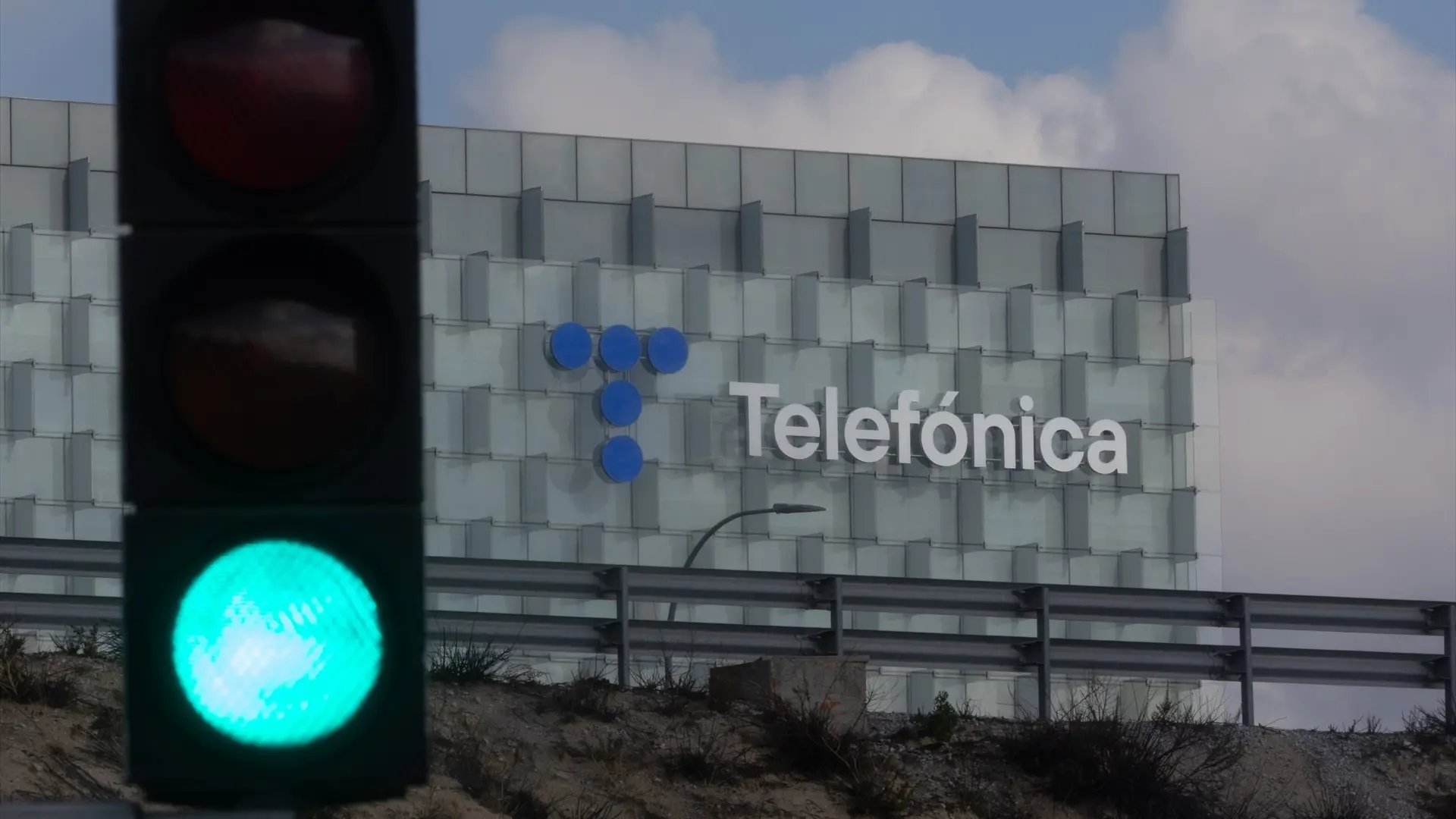
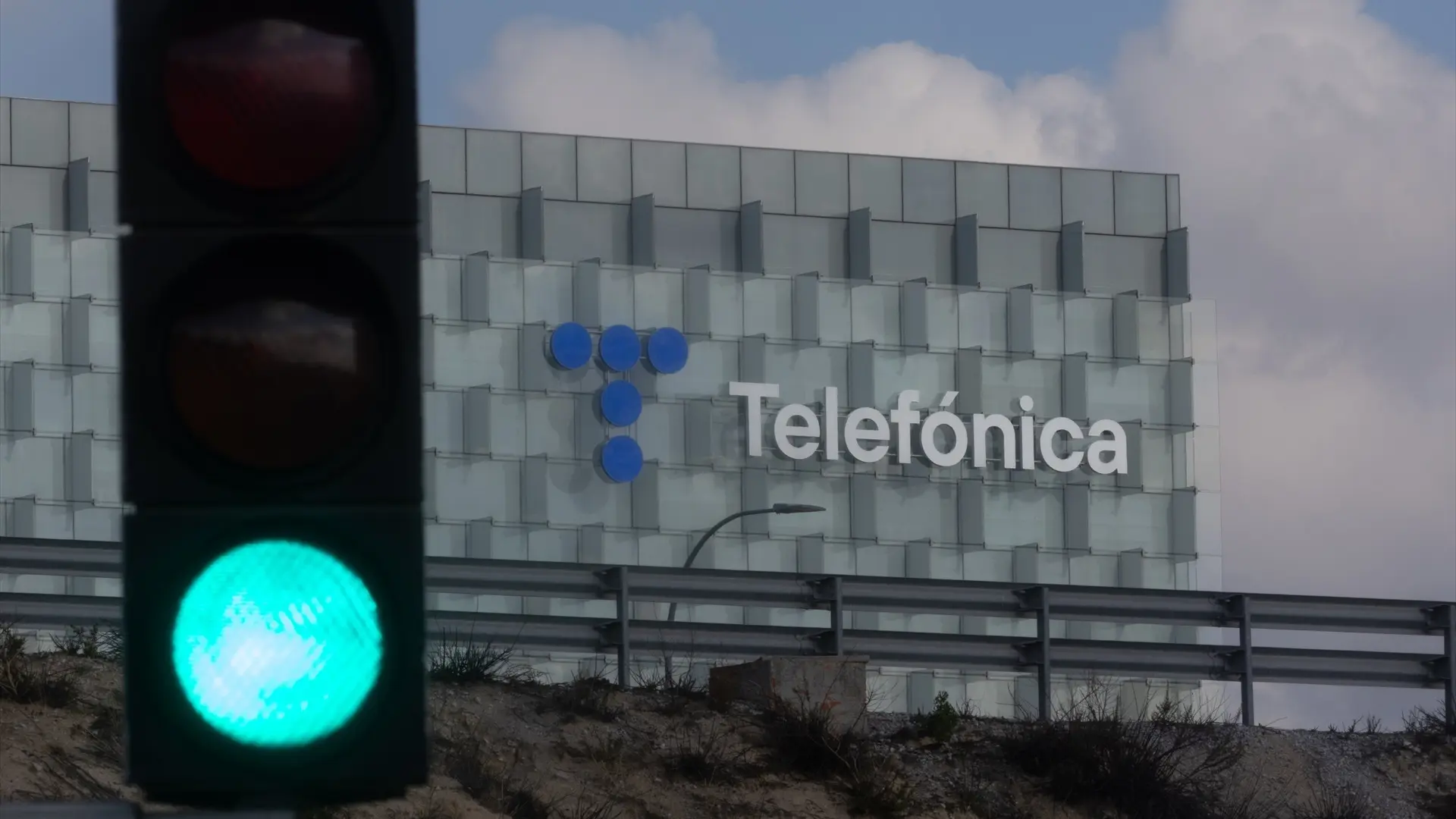
This Tuesday, Telefónica presented its new roadmap from now to 2030a Strategic Plan with which the company led by Marc Murta considers a 180 turn in its strategy to improve its operational efficiency. In the program, called Transform & Grow, the telecommunications company emphasizes that it will “capture the opportunities that arise that generate value.”
The group has confirmed that the dividend charged to this year’s results will remain at 0.30 euros per share, which will be paid in two tranches (in December and June 2026), although will cut the payment to shareholders next year by half, to set it at 0.15 euros per share in cash (which it will pay in June 2027), a decision that will generate savings worth 850 million euros next year alone. From there, remuneration will be “linked to free cash flow”, that is, to the cash the company has left after covering all its operating and investment expenses.
The Ibex 35 firm estimates that an eventual consolidation in its key markets (Spain, Brazil, the United Kingdom and Germany) could generate synergies worth between 18,000 to 22,000 million euros that “could be distributed” among buyers, sellers, clients, investments and innovation. The sale of its Latin American subsidiaries (Argentina, Uruguay, Peru and Ecuador) and the depreciation of local currencies in a context of strong uncertainty has taken its toll on Telefónica, which lost 1,080 million euros until Septembercompared to the 954 million profit it had obtained in the same period a year ago.
The company, which celebrates its Capital Markets Day this Tuesday, aims to simplify its model and make it more efficient “throughout the execution of the plan, which outlines a clear and ambitious route with a commitment to meeting objectives and timelines,” he maintains, at a time when the sector is in a process of consolidation in Europe and in which competition has increased in markets such as the United States.
The financial objectives of the plan to achieve this simplification of its operating model go through a annual revenue growth of 1.5 to 2.5% from 2025 to 2028 and 2.5 to 3.5% from 2028 to 2030. Regarding the adjusted ebitda (measure that determines the profitability of the company) of 1.5-2.5% until 2028 and between 2.5 and 3.5% until 2030.
In its plan until 2030, the company reaffirms its commitment to the technological development of the sector and “European strategic autonomy” and highlights how to date “the lack of consolidation of the European telecommunications market has generated inefficient investments compared to the United States and China, and a growing technological dependence in critical areas.” The group contemplates reducing its debt to approximately 2.5 times net debt over EBITDAaL by 2028, compared to the current ratio of 2.9. Thus, I would support the investment grade rating, which for the firm is an “anchor”. The average life of its liabilities extends up to 10.5 years, with average annual maturities of 3,000 million.