Salaries rise 3% in 2025 and beat pensions for the second consecutive year
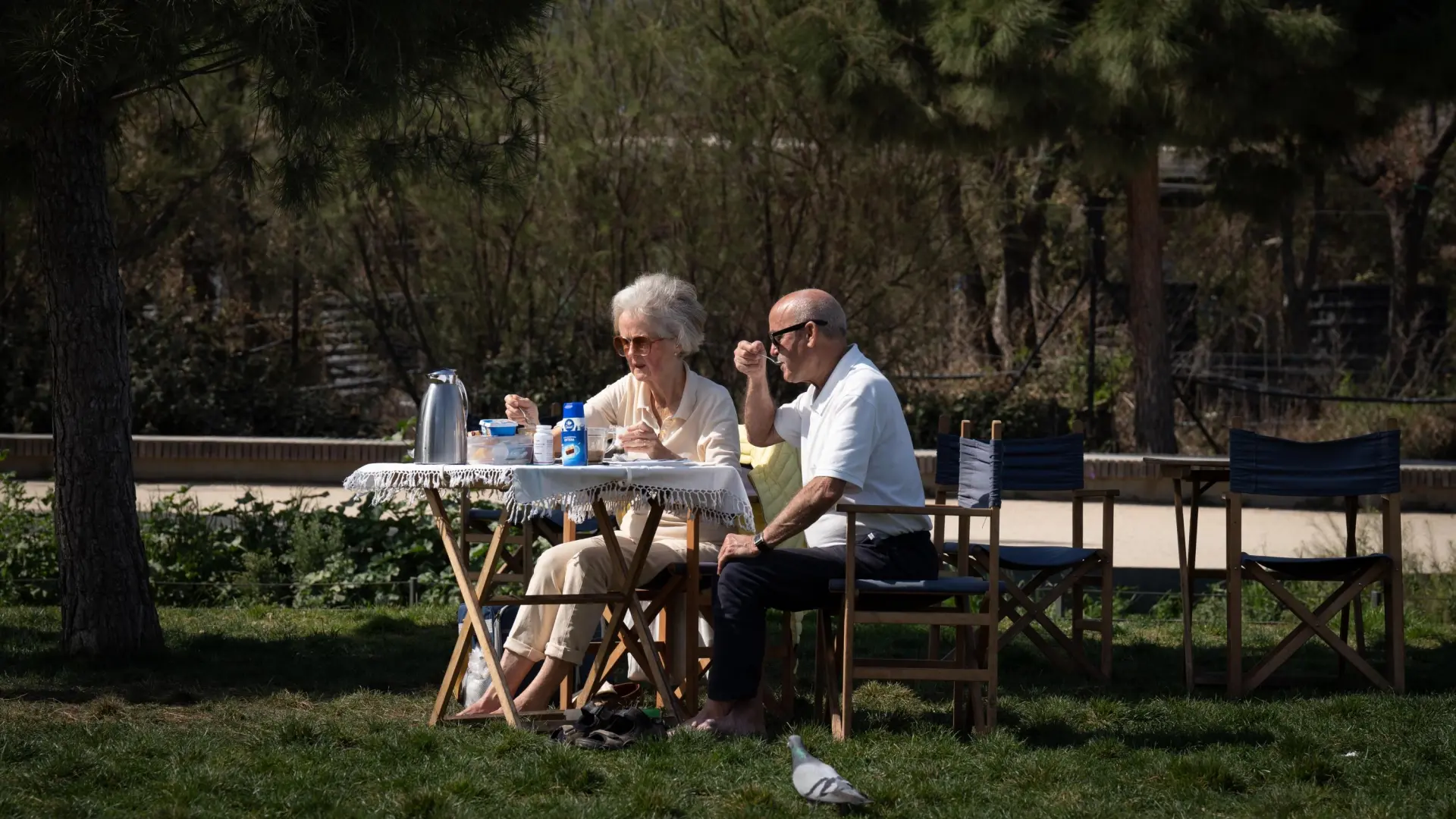
The salary increases that workers are receiving in 2025 will predictably exceed the revaluation of public pensions looking ahead to next year. While the average salary of Spanish employees grows by around 3% year-on-year, pensioners will pocket an increase in their benefit of 2.7% from January 2026.
Some figures that indicate that payrolls will gain purchasing power again —albeit modestly— for the second consecutive year. All this in a context of notable economic growth and good performance of the labor market, where Social Security affiliation is at its highest and unemployment continues to fall.
The Salary increases that have been agreed in collective agreements for 2025 average 3.5%as reflected in the statistics published by the Ministry of Labor. In fact, if only the agreements signed in 2025 are taken into account, the figure grows to 4.15%.
Along the same lines, data from the INE’s Quarterly Labor Cost Survey show that in the second quarter of 2025 The average salary increased by 3% year-on-year. However, the statistics show a slowdown in salary improvements, which in the second quarter of 2024 grew at a rate of 4% compared to the previous year.
A moderation in salary increases that is also seen in the salaries paid by the country’s large companies. The Sales, Employment and Salaries statistics in large companies show that the average gross performance (a concept comparable to the average gross salary) of their workers has increased by 3.8% compared to last year. However, the increases have moderated compared to 5% in 2023 and 4.8% in 2024.
7,000 million revaluation
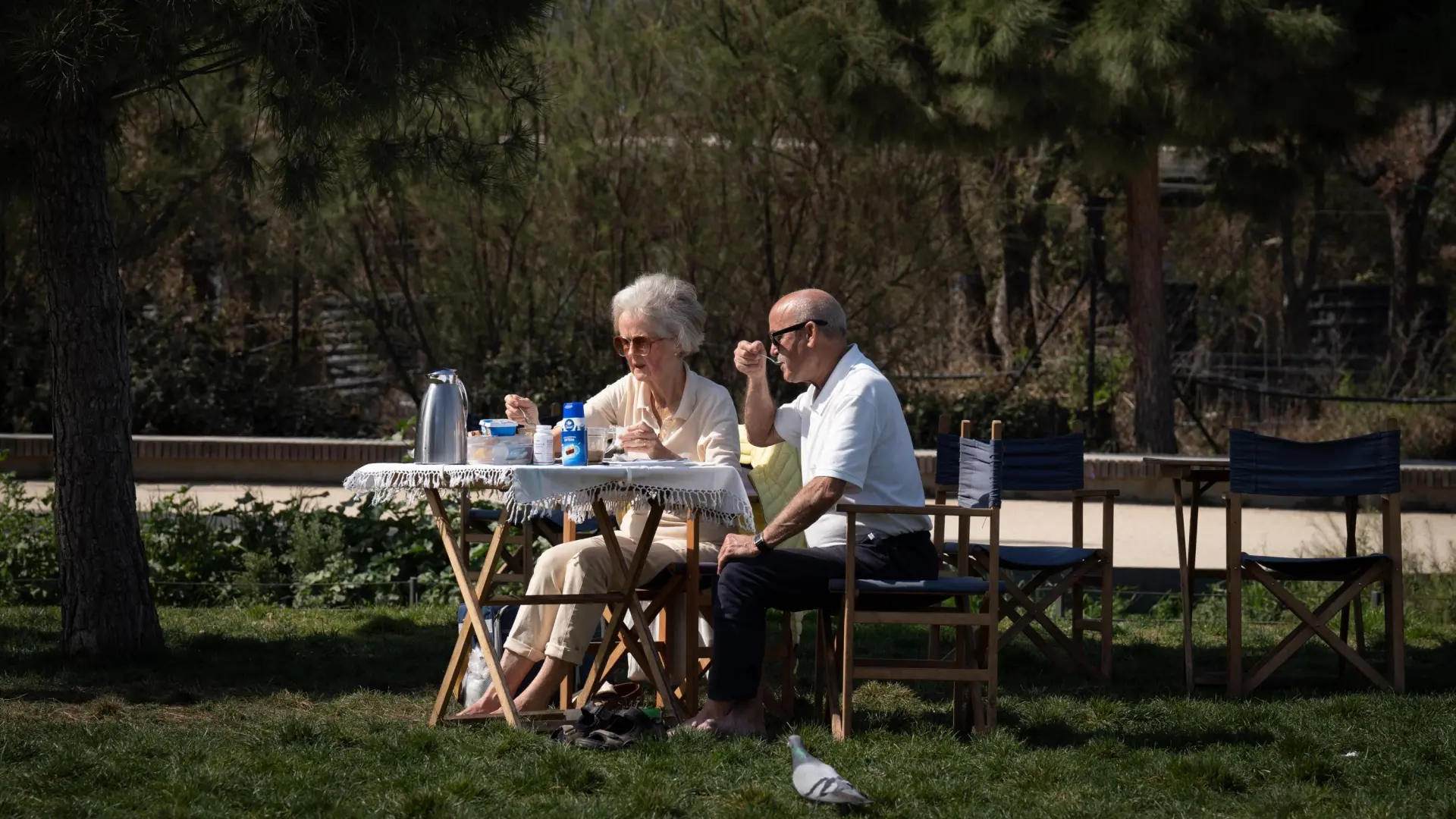
For their part, pensions will grow by 2.7% next year, after having grown by 2.8% in 2025, 3.8% in 2024 and 8.5% in 2023, when most incomes occurred, they lost purchasing power due to the brutal inflation that was recorded in that year.
However, it must be taken into account that Minimum pensions and non-contributory (welfare) pensions will once again grow above consumer pricesas reflected in the latest pension reform. The minister in charge of Social Security, Elma Saiz, confirmed on Sunday in an interview with The Newspaper that these pensions will be revalued by at least 5%.
The cost of revaluing public pensions with the CPI, as established by law with the Escrivá reform, will amount to about 7,036 million euros next year. A figure practically tied to the 2025 revaluation, which was calculated with an inflation of 2.8%. However, pension spending will increase in total by around 12 billion euros due to the increase in the number of pensioners, mainly due to retirements.
The massive aging of the Spanish population and the guaranteed revaluation of pensions with the CPI has reopened the debate on the sustainability of the system. The Government has insisted on several occasions that the system is solid and guaranteed, but, at the same time, the deficit between what it costs to maintain it and income from social contributions is increasing.
Organizations such as Airef have been pointing out for some time that Escrivá’s reform has not improved the sustainability of the system and have warned of the risks posed by the current level of spending. Recently, the European Commission – which endorsed Escrivá’s legislative change – has toughened its position on this issue and has encouraged member states to promote private savings as a complement to retirement.
In addition, the OECD advised Spain to link pensions to the life expectancy of the population. A change that would most likely imply a cut in the initial benefit received by pensioners.