‘shield’ your farm at the price of an apartment in Barcelona
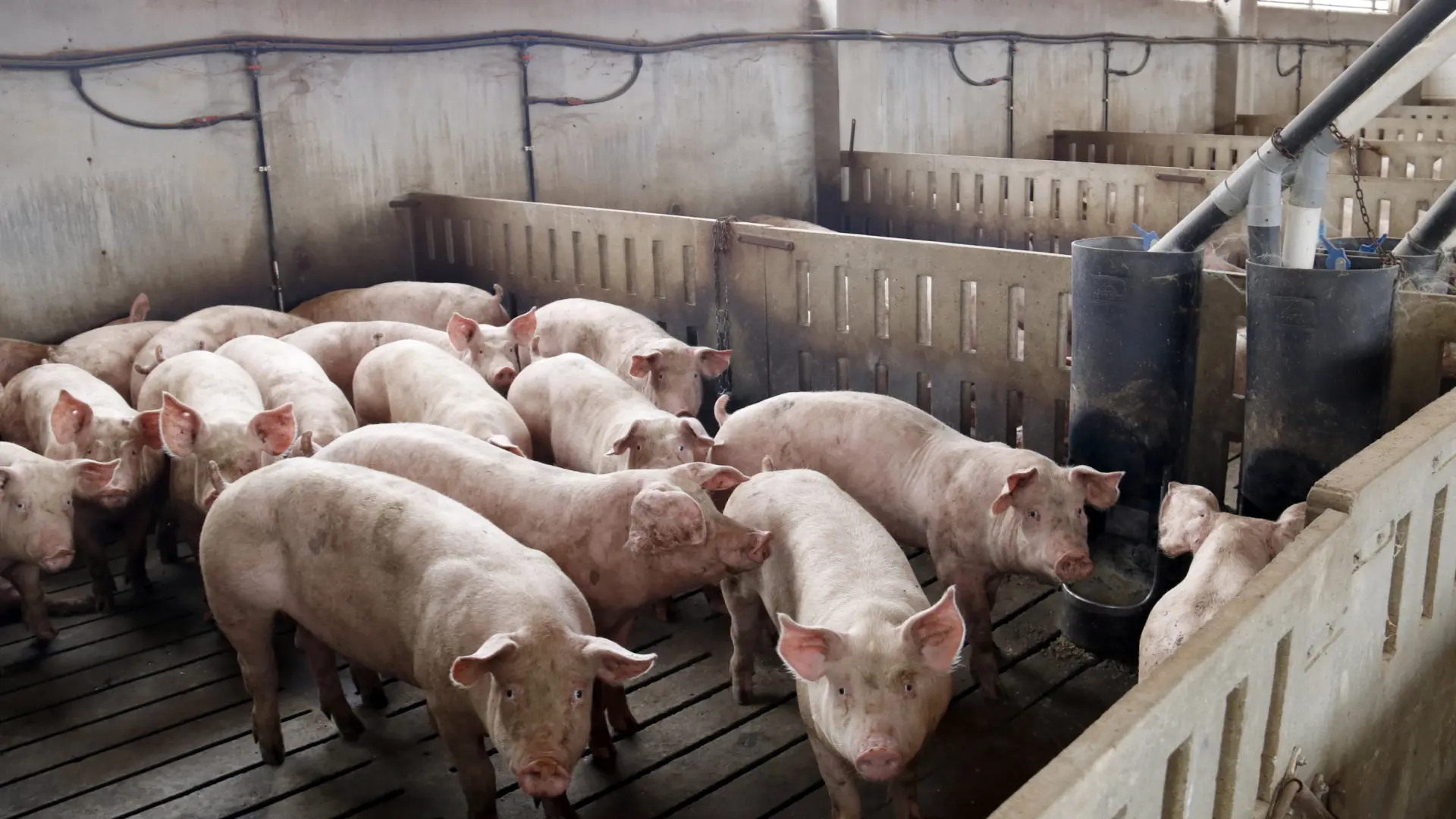
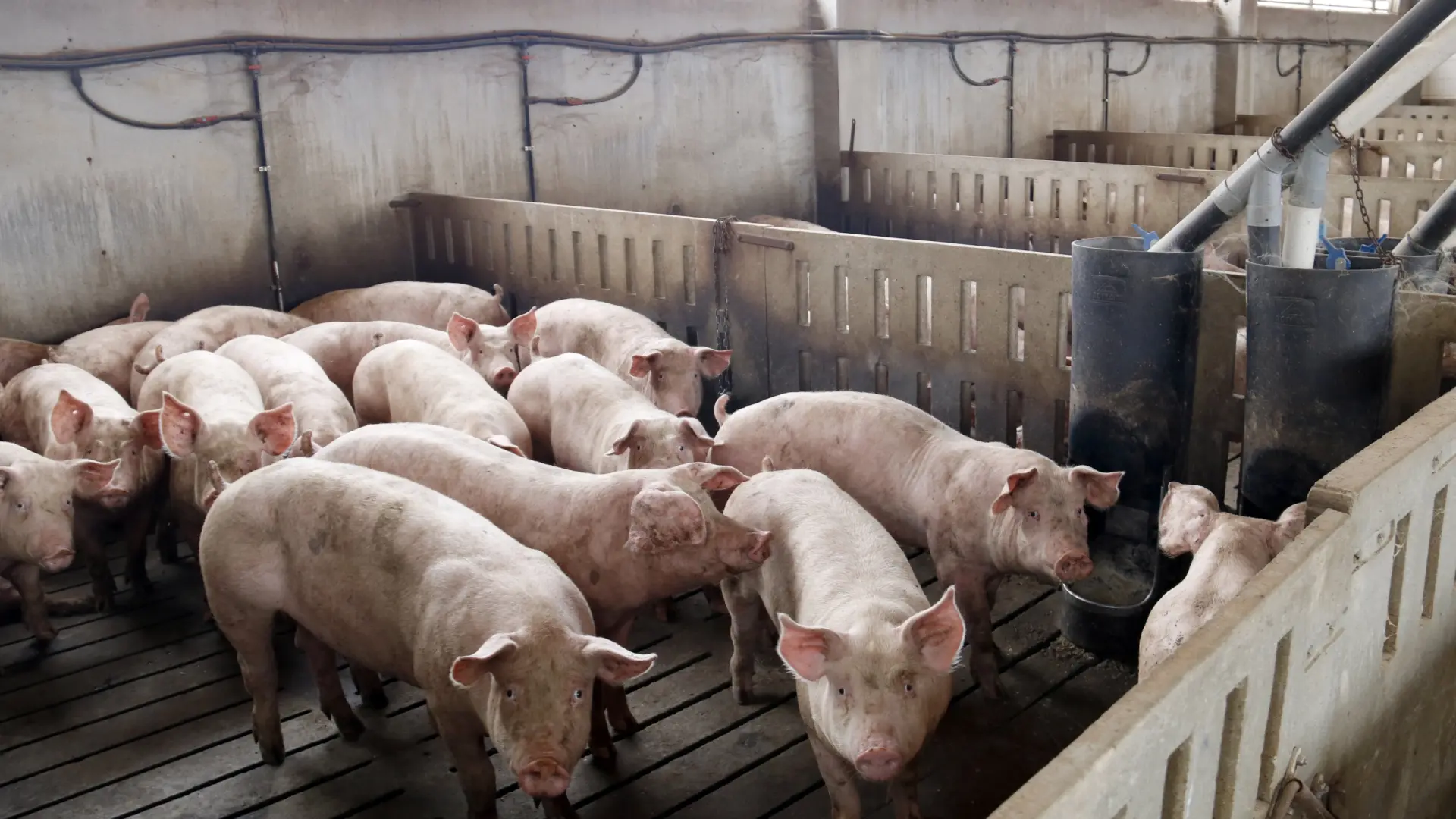
Spain is the leading exporter of pork in the European Union (EU), as well as the third worldwide after the United States and China, with sales abroad of 7,040.15 million euros in 2024 -there were 2.5 million tons of national pork- and a positive trade balance of more than 8.1 billion. Among the main destinations were China (1,097 million euros and 539,064 tons), France (1,072 million and 289,865 tons) and Italy (796 million and 274,591 tons).
Catalonia is the first producing region and precisely there, in Collserola (Barcelona) it was detected the outbreak of African swine fever (ASF) on two wild boars. The reappearance of this “old” acquaintance occurs after ranchers have had to carry out in recent years strong investments in biosafety measures. COAG estimates a range of between 135,000 and 240,000 euros of investment per operation, to which we must add more than 75,000 euros per year in maintenance and operational expenses.
A standard farm has invested between 80,000 and 150,000 euros just to install a double ‘anti-boar’ fence, according to COAG
This agricultural organization has estimated, based on a study on the real investments of its livestock partners, that in a standard pig farm in Spain with between 1,000 and 2,000 sows, between 80,000 and 150,000 euros have been invested in biosecurity perimeter fencing with double anti-boar fence in recent years. Added to this are between 25,000 and 40,000 euros in the construction of sanitary fords and acquisition of disinfection archesas well as between 30,000 and 50,000 euros in the construction of changing rooms and mandatory showers for farm staff. To all of the above, COAG points out, biosafety operational costs such as maintenance, cleaning products, audits and training of the staff, which total more than 75,000 euros per year.
“Ensure a very high degree of biosafety”
The head of the pork sector at COAG, Jaime Bernis, explains that these are “real data, not estimates” and warns that “every farmer who endures in the sector does so because invested what a flat in Barcelona costs to have an operation that is proof of external threats.” Bernis criticizes that have invested in their livestock farm “to guarantee a very high degree of biosecurity”, while the administration has renounced the balance of wild fauna and opened the doors to the countryside: “now wild boars and before rabbits, the wolf, the bear…”, he points out.
“We have invested in our livestock farm to guarantee a very high degree of biosecurity, while the administration has renounced the balance of wild fauna and opened the doors to the countryside: now wild boars and before rabbits, the wolf, the bear…”, Jaime Bernis (COAG)
The representative of this agricultural organization is committed to reducing livestock pressure in zone zero of the outbreak. “We have a farm in the first radius, 6 kilometers from the outbreak, and another 36 in the second radius, and we propose that the pigs little by little can go to normal slaughter to lower the density of the area,” claims Bernis. This rancher also remembers that those responsible for the farms are going to have the farm empty for a year, so in his opinion they should be compensated so that they receive the same as they would have received with the farm full. A support that justifies the need to remove this part of the pig production that has as its neighbor a focus of ASF-positive wild boars.
The Spanish pig is hanging by a thread
The COAG livestock manager considers the development of a state hunting plan for the control of wild fauna to be the “highest priority.” “We cannot continue hanging on by a thread, that a wild boar, which travels between 15 and 20 kilometers at night, does not pass, escapes”, says Bernis, who considers that both the UME and the forestry agents and the mossos d’esquadra are carrying out “a great job” to avoid a crisis in a sector that represents – remember – “40% of the final livestock production and 20% of the agricultural production.”
“In case of losses we are negotiating moratoriums of 2 years of interest plus capital with 3 financial entities”, Pere Roque (ASAJA Catalonia)
From Asaja, its president in Catalonia Pere Roque, explains that modernizing biosecurity systems has meant investments of between 200,000 and 300,000 euros. He also points out that “the sector has experienced a sweet moment” and that, now, with the reappearance of African swine fever (ASF), they are already working on three possible scenarios: public financing of 50 million euros through the Catalan Institute of Finance (ICF), direct aid such as the recently approved 10 million from the Catalan Ministry of Economy and private financing. “In case of losses we are negotiating moratoriums of 2 years of interest plus capital with 3 financial entities,” says Roque, who also agrees with COAG on the need to drastically reduce the wild boar population.