the challenge of large retail to succeed in the next Christmas campaign
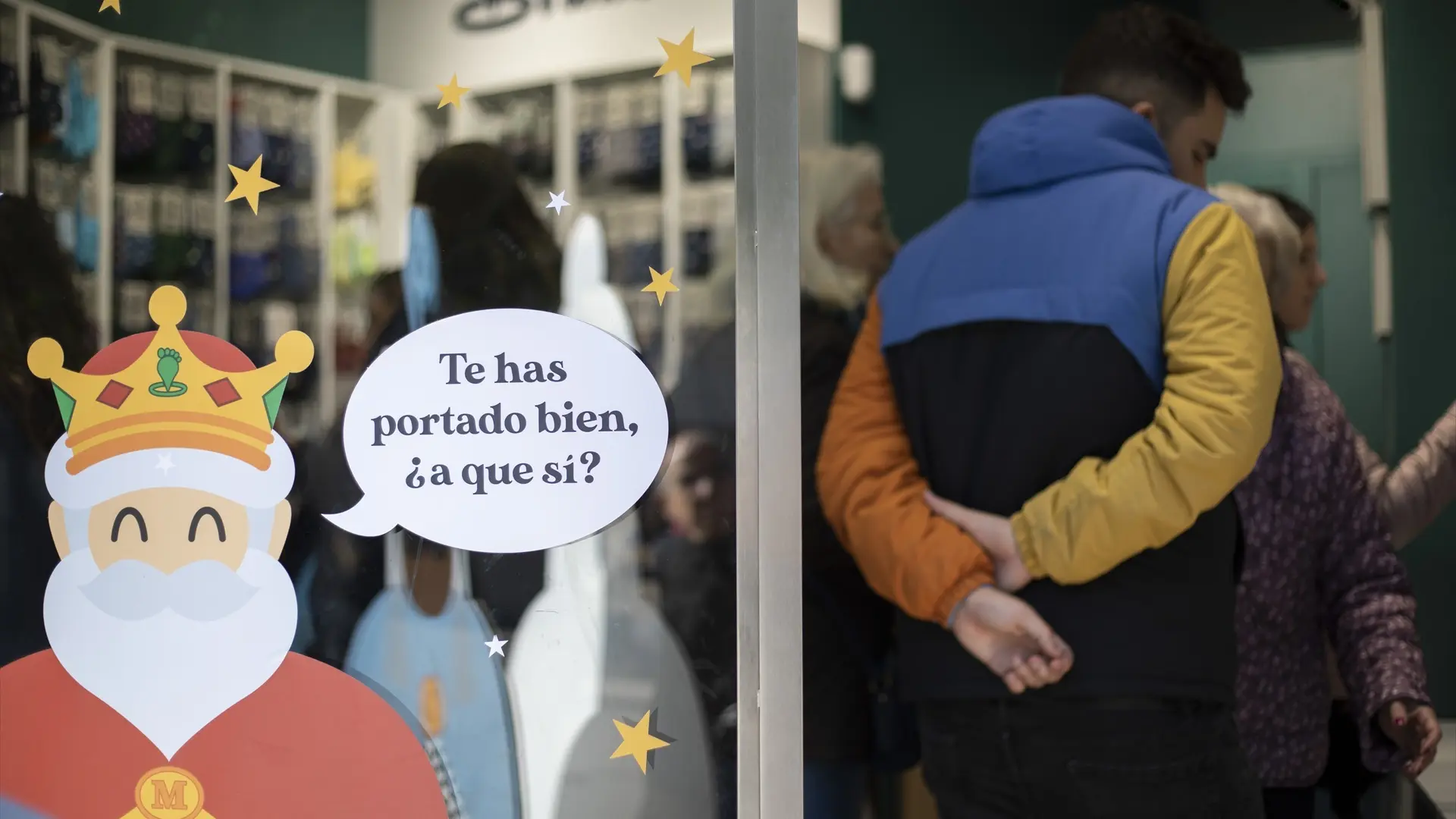
With Christmas approaching and on the eve of Halloween, the competition in large-scale fashion and food distribution to capture consumer attention is intensifying. In this struggle, a wide toolbox is used, in which the physical store and the emotional aspects take on great relevance. “It is no longer enough to have a good product: “You have to connect emotionally,” says the marketing director at Kantar Teresa de Ledesma, who confirms that “today the consumer is more informed, more demanding and skeptical.” In a report, the business school The Valley Business and Tech School establishes several trends that will mark the future of retail commerce: ‘invisible tech’ in which artificial intelligence (AI) unifies the shopping experience; he ‘multisensory retail’ with which to generate emotional connections and the ‘augmented retail’ in which AI anticipates needs and improves operations. In addition to the counter-current bet for the sustainability and circularityas well as the ‘social commerce’, why the physical store is a place to socialize.
The partner & Managing director of The Valley, Juan Luis Moreno, confirms that “the consumer “is seeking some relief from the current situation of uncertainty” caused especially by the current volatile geopolitics (Ukraine, tariffs, Gaza…) and which generates anxiety. “This generates anxiety and it is natural for them to look for experiences or products that make them feel calmer, even for a moment,” adds this expert who believes that now technology (especially AI) is no longer an extra but an obligation. In this context, to achieve experiences that connect with the consumer, they believe that “Everything adds up to creating a stronger and more authentic bond.” For De Ledesma (Kantar) “The experiences that really impact are those that combine the sensory, the modern and the emotional. It is not just about surprising, but about being relevant and authentic.” In the report they give as an example the work carried out by ‘Hello Coffee’, with different immersive experiences such as tastings and training for baristas seeking the involvement of its community, as well as turning its academy and cafes into a true coffee temple.
“The consumer is looking for some relief in the face of the current situation of uncertainty”, Juan Luis Moreno (The Valley Business and Tech School)
AI, axis of the purchasing experience
About the so-called ‘invisible tech’Moreno (The Valley) explains that artificial intelligence already acts “in the background” especially in a sector like the food industry. Regarding technology, he explains that “it no longer has to be the center of the consumer experience. Today its function is to facilitate and make the entire purchasing journey more fluid.”points out this expert. In his opinion, artificial intelligence in the Christmas campaign can become very relevant by offering gift suggestions based on purchases from previous years, ensuring that promotional messages arrive at the right time or make it easier for the most in-demand products to be at hand in demand ‘peaks’. The specialist and teacher at The Valley draws attention to the increasingly essential role of generative AI, especially in food, where it moves in a more subtle terrain because it ‘only’ seeks “make the purchase simpler and more useful for the consumer.” Which includes suggesting products or recipes, as well as improving store signage.
“The product has lost its functionality and is surrounded by purchasing experiences so that it makes more sense”, Luis Manuel Cerdá (EAE Business School)
A very different situation from fashion, where this type of artificial intelligence “is usually very visible and emotional. Moreno highlights that it creates personalized experiences to strengthen the bond with the brand “from styling recommendations to adapted visual content.” In this sense, a very clear example is the launch last July of ‘Mango Stylist’, a virtual fashion assistant designs through generative AI and is now available in the Spanish textile giant’s Women’s line in at least a dozen markets. As explained by Mango, this tool uses “innovative algorithms to understand the context and personal tastes of each user. “The aim would be for them to receive product recommendations “adapted to their preferences, explore the latest trends and discover combinations of Mango products and complete looks.”
The ‘7 lives’ of the physical store
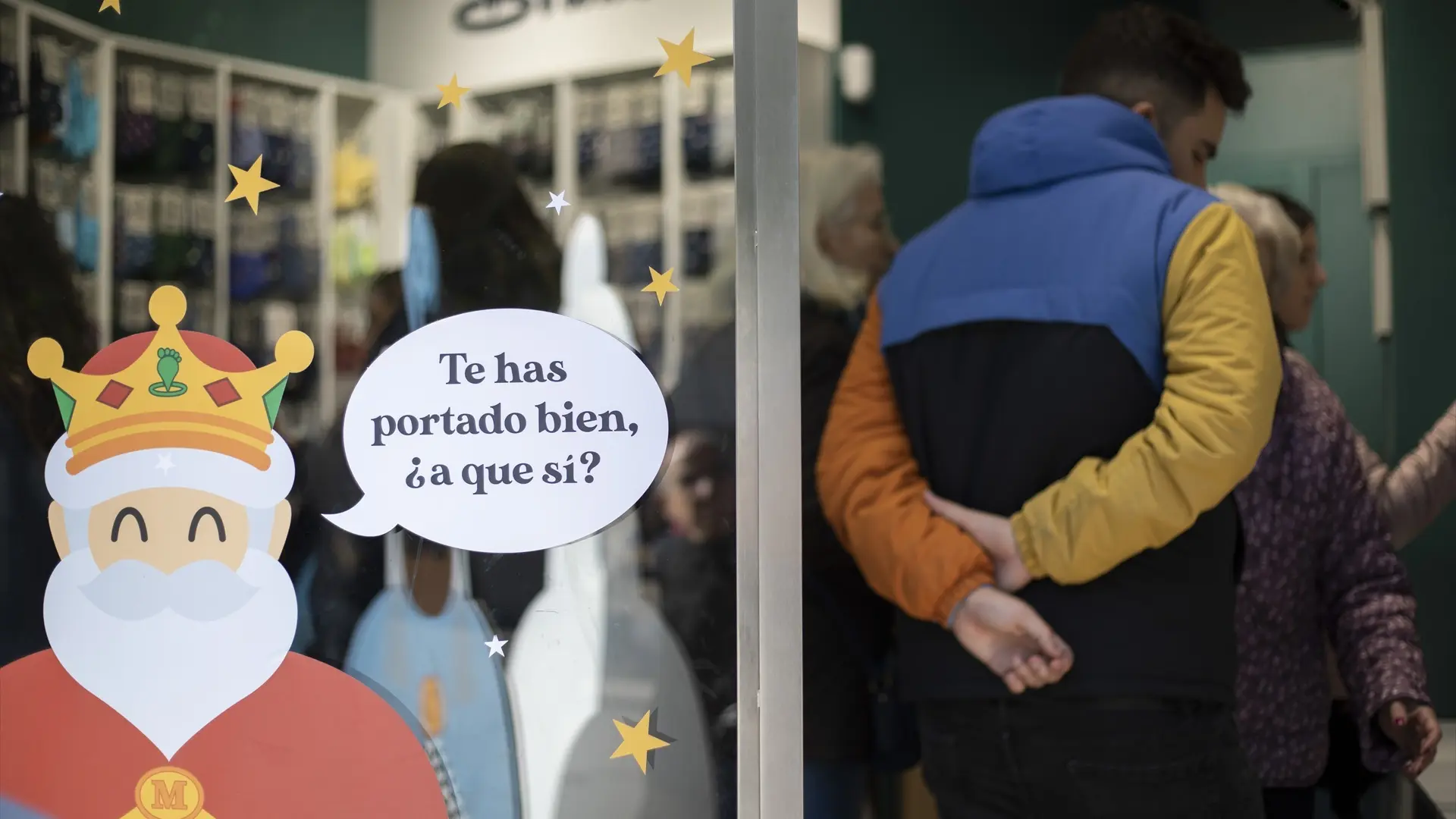
Points of sale as a place to socialize and strengthen the bond with the brand or product. It is what experts have called ‘social commerce’. For the EAE Business School professor, Luis Manuel Cerdá Suárez, “the product has lost its functionality and it is surrounded by shopping experiences so that it makes more sense.” Regarding the role that the establishment can play, the teacher understands that, in a context in which there is no longer a distinction between online and offline purchasing, “The physical store is a reference to make the product tangible to the consumer”. Cerdá believes that in sectors such as food and textiles there is an “additional effect” in store presence. From Kantar, its marketing director Teresa de Ledesma, recognizes that “physical stores are evolving: they are no longer just places where people shop, but spaces where the brand is experienced.”
“Physical stores are evolving: they are no longer just places where you buy, but spaces where you live the brand”, Teresa de Ledesma (Kantar)
Cafes, immersive experiences, augmented reality, activities for the whole family… The physical establishment enjoys excellent health and, as in the case of felines, it can be said that it has ‘7 lives’. For example, at your location from Hermosilla from Zara Man has installed a cafeteria – Zacaffean initiative that has replicated a model already tested in Paris and Lisbon. In this regard, the partner & Managing Director of The Valley Juan Luis Moreno remembers that another of Inditex’s brands – Lefties – has installed another space to drink coffee in its store on Montera Street in Madrid next to smart fitting rooms and 3D screens “creating a dynamic environment where shopping is combined with moments of leisure, technology and enjoymentfacilitating interaction and encouraging customers to spend more time in the store.” All of the above, in the opinion of De Ledesma (Kantar), “contributes to generating emotional ties and reinforcing brand perception.”
Natural light and air conditioning with AI
Less visible, but which expand the traditional store concept are the changes introduced by Alcampo in your store The Moralafter a reform in which it invested 1.75 million euros. The distribution group that opened this business in 1983 and currently employs 39 people, has incorporated a new service: ‘The Quiet Hour’. Aimed at people with sensory hypersensitivity, from 3 to 4 p.m. the light and acoustic signals are reduced “to offer a more peaceful shopping experience. In short, the stimuli that generate stress for hypersensitive people are reduced. Likewise, LED lighting and a system based on artificial intelligence have been incorporated for the air conditioning of the building, as well as the entry of natural light has been expanded. For Moreno (The Valley) it is “We are likely to see these strategies become more widespread. and they adapt to different formats and sectors.” In his opinion, the objective is none other than “to create versatile and experiential spaces that respond to the expectations of today’s consumer.”