The EU countries approve the agreement with Mercosur and endorse a historic decision after more than 25 years of negotiations

The ambassadors of the EU countries This Friday they gave the green light by a qualified majority to the trade agreement with Mercosurthus ending more than 25 years of negotiations. The agreement began to be negotiated in 1999 and has now been endorsed by national governments, also in full tension with the rural sector, mobilized these days in the main European cities. The vote went ahead with 21 votes in favor, including Italy, and the opposition from France, Hungary, Poland, Austria and Ireland. Spain, one of the main defenders of the agreement, has also said yes; Belgium, for its part, has abstained. Now the approval of the European Parliament would be missing.
The political pact was signed in December 2024, but it has taken more than a year for the partners to give their approval, with the key being that Brussels qualified the process eliminating the requirement for unanimity in voting (especially to overcome France’s historic veto); Now the European Commission has been offering safeguards to the primary sector, as well as the advance of 45,000 million of the future Common Agricultural Policy (CAP), with the idea of allaying the misgivings especially of Italy but also of satisfying a sector raised on a war footing. The next step, once all the documents have been signed, is for the president of the European Commission, Ursula von der Leyen, and the president of the European Council, Antonio Costa, to travel to Paraguay for the final signing of the agreement.
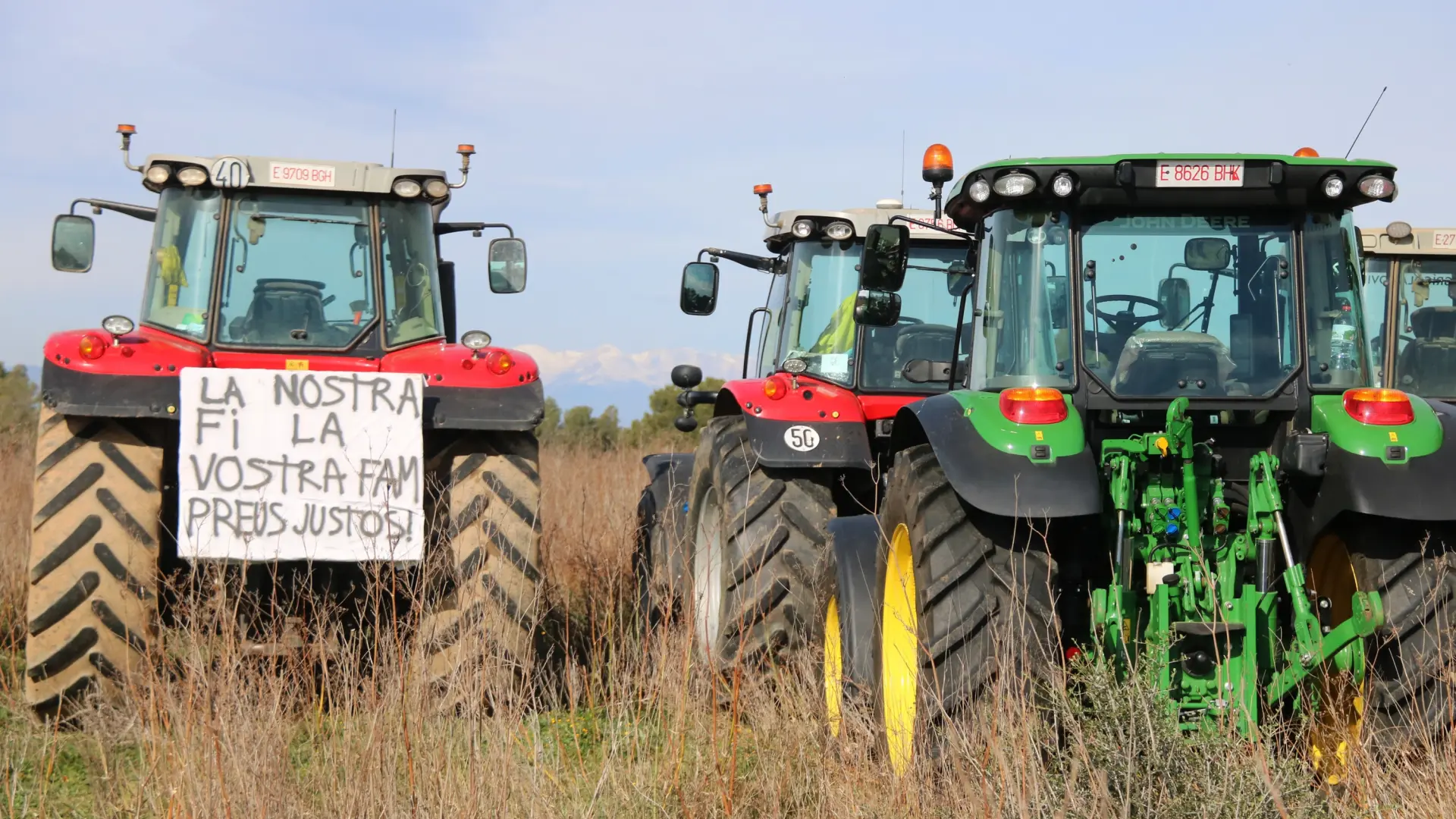
The pact, however, has the rejection of the agricultural and livestock sector, which considers that leaves him “on unequal conditions” with respect to the other side of the ocean because the standards to be met are more demanding in Europe. Furthermore, they point out that the measures and safeguards proposed by Brussels are not sufficient and that an agreement of this type could be “the end” for the community field.
The strongest opposition came from Paris, and from the mouth of the French president, Emmanuel Macron. “France is in favor of international trade, but the EU-Mercosur agreement is an agreement from another era, negotiated for too long on a basis that is too old (1999 mandate). While trade diversification is necessary, the economic benefits of the EU-Mercosur agreement will be limited for French and European growth. It does not justify exposing sensitive agricultural sectors that are essential for our food sovereignty,” he wrote on social networks. At the last minute, France tried to get Romania to move to “no”, but did not achieve that change. The French Government, in fact, hopes that the pact can be overturned by the European Parliament.
The EU estimates that the EU-Mercosur pact It will allow savings of around 4,000 million euros in tariffs per year. This absence of fees, in addition to an increase in investments, exchange of information and standardization of conditions are some of the points.
But the reality is that the agreement, for the EU, It’s not just a role; It’s not just about trade.. For now, tariffs are eliminated on 91% of EU exports to Mercosur and on 92% of Mercosur exports to the community bloc, so not only will exchanges be facilitated, but – if approved – the agreement will also allow a more fluid relationship between the two parties. “It is also a question of strategic trust,” explained at the time the sources consulted by 20 minutes. And, beyond goods, there is also talk of services: sectors such as telecommunications, transport and financial services are opening up to European companies.
All of this includes links at the energy level or with regard to rare materials, a key sector for the development of the EU as a ‘competitor’ of both China and the United States. And Beijing has significantly increased its influence in Latin America, mainly through investments in infrastructure and trade (such as soybeans and minerals). This agreement allows the EU to counteract, experts recognize, this influence, consolidating itself as a strategic economic partner for Mercosur. At the same time, the pact places the Union in front of Washington, which has historically considered Latin America as its “backyard”, at a time also of tension with the Trump Administration in commercial and geopolitical terms.