The employers’ association predicts that GDP growth will slow to 2.1% in 2026 and that unemployment will drop below 10%

The Institute of Economic Studies (IEE), laboratory of ideas of the large employers’ association CEOE, predicts that The Spanish economy will see a “gentle slowdown” in economic growth figures next year. The business think tank estimates that the national GDP will grow by 2.9% in 2025, in line with most analysts. However, they believe that 2026 will be a turning point in the economic cycle that began with the recovery after the pandemic.
For next year, the IEE forecasts an economic expansion of 2.1% a figure that is in line with the consensus of analysts compiled by Funcas and would be slightly below the 2.2% hypothesis used by the Government. The reasons that would explain this slowdown are the exhaustion of the forces that have pulled the GDP in recent years. A change in the economic cycle in which household consumption will increasingly have more weight.
On the one hand, the tourism sector seems to be reaching its limitwith international traveler arrivals and spending growing more slowly. The IEE believes that also It will be difficult to sustain the investment levels seen in the 2024-2025 period after the withdrawal of European recovery funds (which end in August 2026). The third factor they point out is the housing shortage, which is causing an escalation in prices aggravated “by regulatory restrictions, lack of labor and rising costs of materials.”
Regarding employment, Businessmen predict that 2026 will also be a good year in the labor marketalthough employment growth will slow down. In 2025 they expect an increase in employment of 3.2%, which would slow down to 2.3% next year. This boost in the labor market would be enough to drag the unemployment rate below 10% to 9.7% in 2026.
The expectation regarding consumer prices is that Inflation will reduce next year to around 2.2%after closing at 2.7% this year. Business owners trust that salary increases will also adapt to this reality and will moderate, something that would allow, in their opinion, greater job creation that would translate into stronger economic growth.
Effects on the pocket
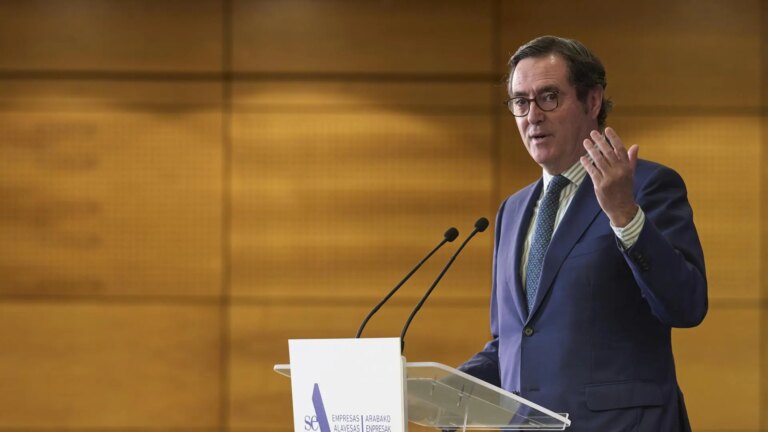
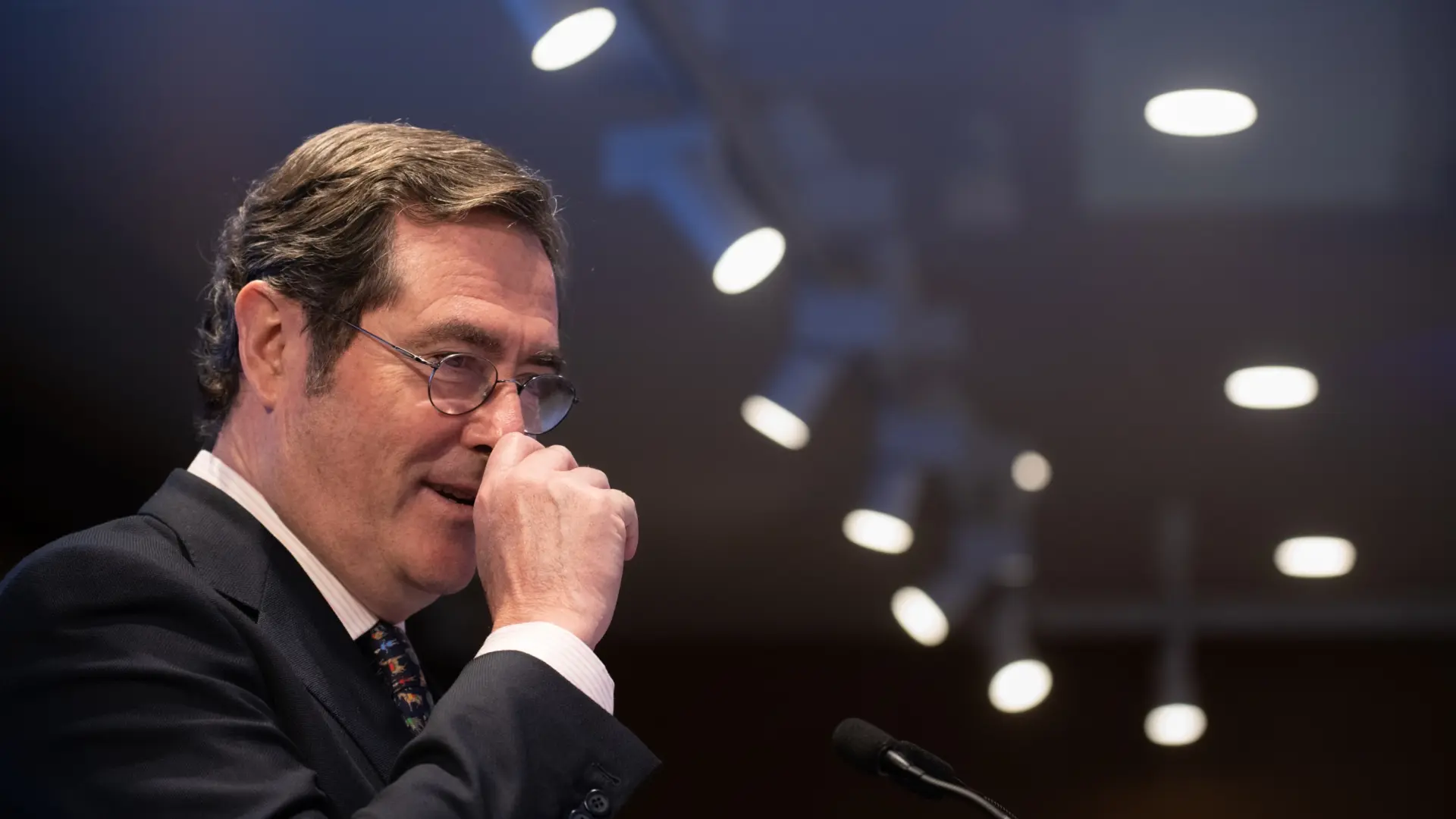
In the IEE they maintain that The strong economic growth that has been seen in recent years, which they see as positive, has not been so noticeable in the standard of living. This is reflected in the levels of productivity and per capita income, which have not grown as much as GDP has in that period. The general director of the IEE, Gregorio Izquierdo, has highlighted that a third of the economic growth that has been seen since the pandemic is explained by population growth and another by public consumption.
“We have serious problems in the growth model of the Spanish economy. Growth is more apparent than real or intensive or that translates into an improvement in living conditions,” said Izquierdo during the presentation of the forecasts. “You cannot grow in the long term if you leave aside economic policy, creating a climate of stability, security, and promotion of business investment,” he added.
For Izquierdo, the great pending issue for the Spanish economy is to create a favorable climate for investment and business growth, something that does not happen today, he maintains. The economy, he adds, has a better vision in the short term than in the long term, in a context “especially adverse of administrative, fiscal and collection burdens.”