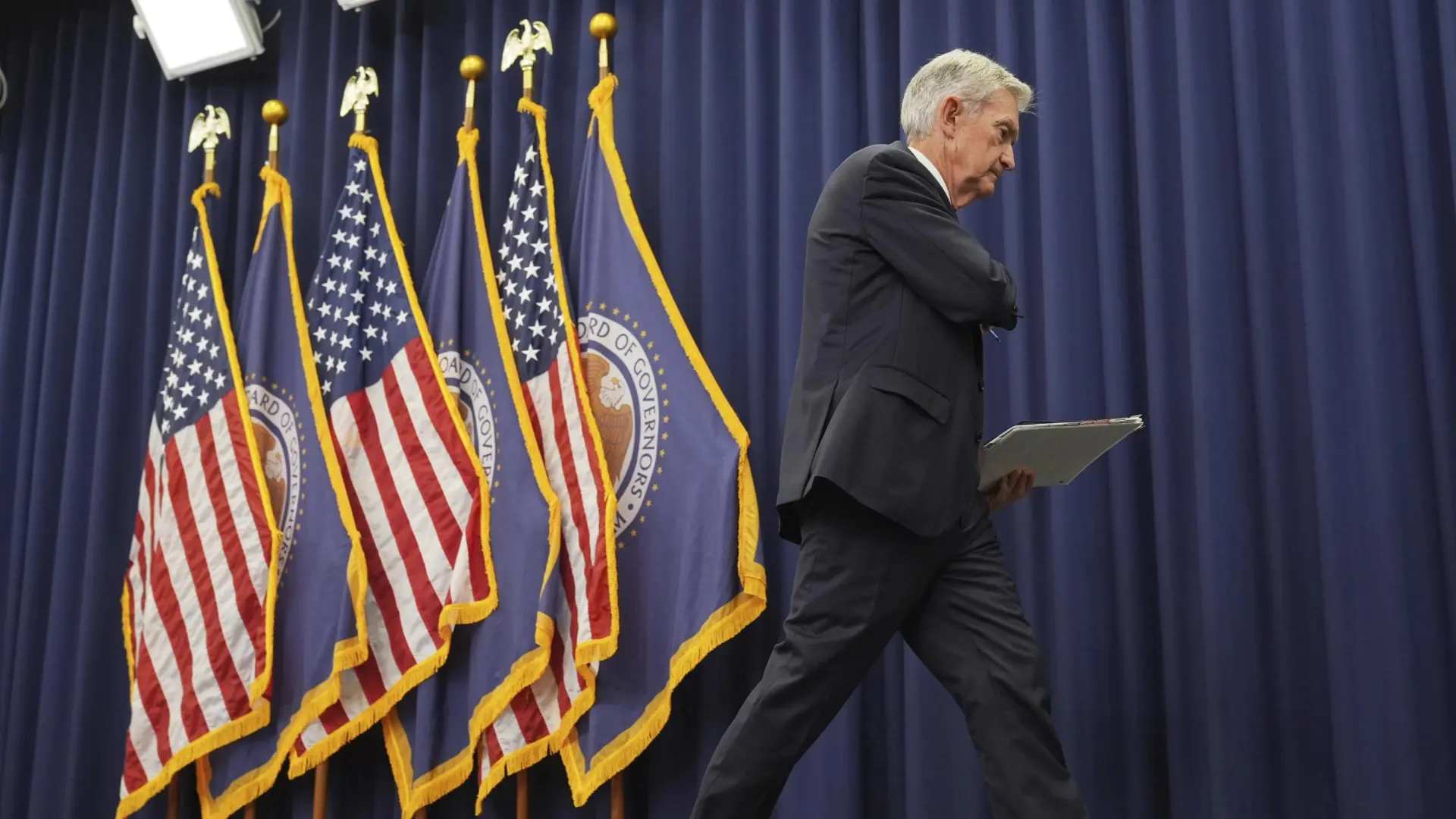
The Federal Reserve lowers interest rates by 25 basis points
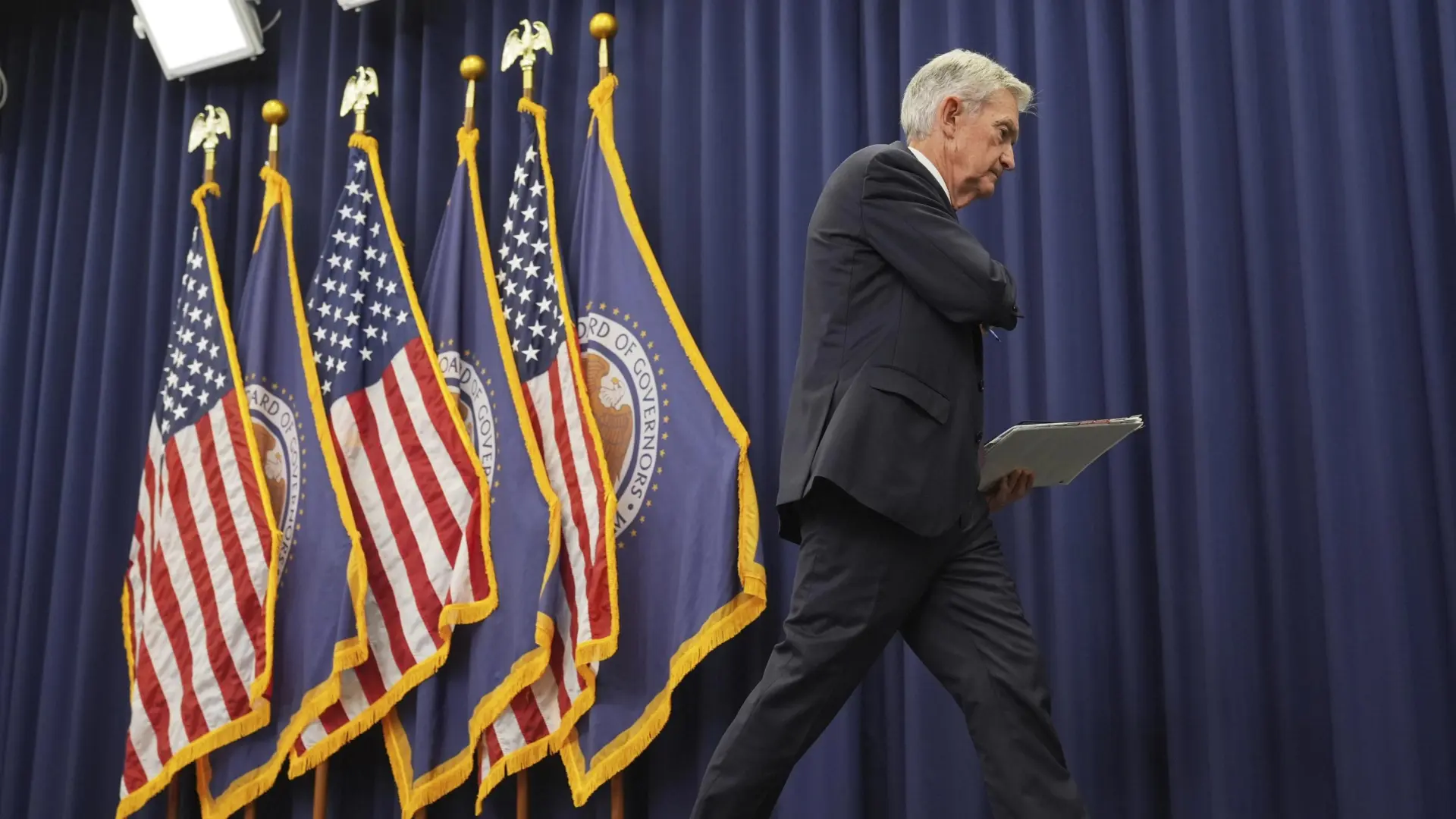
The Federal Reserve meets market expectations and cuts interest rates by 25 basis points, placing the money reference rates in a target range of between 3.75-4%. This is the second consecutive decrease that the US central bank has carried out after the attack last September and with which it broke with nine months in ‘pause mode’ due to the cooling of the economy. However, unlike last month, the organization has made the decision practically blindly after the lack of political agreement between Republicans and Democrats has caused the closure of the North American administration.
As a consequence, the central bank does not currently have recent statistical data on the situation of the labor market, nor on the trade balance or GDP corresponding to the third quarter. There are only figures for the consumer price index, which rose 3% in September, one tenth less than expected. However, the cut does not imply that there is consensus on the path of rates among governors. A minority remains concerned about the evolution of inflation, despite the fact that price growth has been moderate since Donald Trump declared a trade war with the rest of the world.
The Federal Reserve lends itself to the double dichotomy of preserving price stability and keeping unemployment at bay, hence it tips the balance in favor of one factor or another depending on the circumstances. “The available indicators suggest that economic activity has expanded at a moderate pace, employment has slowed down this year and the unemployment rate has increased slightly, although it has remained low until August; the most recent indicators agree with this evolution,” they indicate in the statement after highlighting that inflation has increased since the beginning of the year and remains somewhat high.
In this sense, all eyes are on the messages that Powell can convey at the press conference. “The push for a 50 basis point easing is starting, although it is unlikely according to our forecasts,” says Karen Manna, fixed income portfolio manager at Federated Hermes.
It should be noted that earlier this week the United States Treasury Department revealed five possible candidates to replace Jerome Powell at the head of the organization, whose term expires next May. These include current members of the Federal Reserve Board Christopher Waller and Michelle Bowman; former Fed governor Kevin Warsh; the director of the National Economic Council of the White House, Kevin Hassett; and the executive of BlackRoc Rick Riederaccording to what Bessent told reporters on Monday aboard Air Force One.