The Federal Reserve prepares the last interest rate cut of the year pending Powell’s successor

The Federal Reserve (Fed) will announce its decision on interest rates this Wednesday. The last meeting of the year Federal Open Market Committee (FOMC) It will be marked by the position adopted by the members of the body regarding a possible drop after the division shown at the October meeting. The market assumes a cut of at least 25 basis points, which would place the reference rate of money in a range of between 3.5-3.75% and with which it would try to slow economic growth despite the rise in inflation.
The agreement to reopen the administration in the United States just a month ago has brought some clarity to the North American central bank after the October movement was taken practically blind. However, the Fed does not have absolute visibility. The GDP data corresponding to the third quarter will not be published until December 23, while the employment data corresponding to October and November will be announced next week. In addition, the inflation figure for November will not be official until Wednesday, December 18.
The Fed will deliver its verdict with macroeconomic releases for September, including mixed job performance. Although 119,000 jobs were created in Septemberhigher than the expected 51,000, has not been enough to offset the growth in the active population, bringing the unemployment rate to 4.4%, the highest since October 2021, while weekly unemployment benefit claims hit three-year lows at the end of November. On the other hand, the index of personal consumption expenditure (PCE) prices It ended September at 2.8%, with an increase of one tenth.
If the forecasts are confirmed, It would be the third consecutive fall which it executes after nine months in ‘pause mode’ with the aim of balancing the risks between inflation and employment. It should be remembered that the Federal Reserve lends itself to the dual functionality of preserving stability of prices while preserving employment, hence tipping the balance in favor of one factor or another depending on the circumstances.
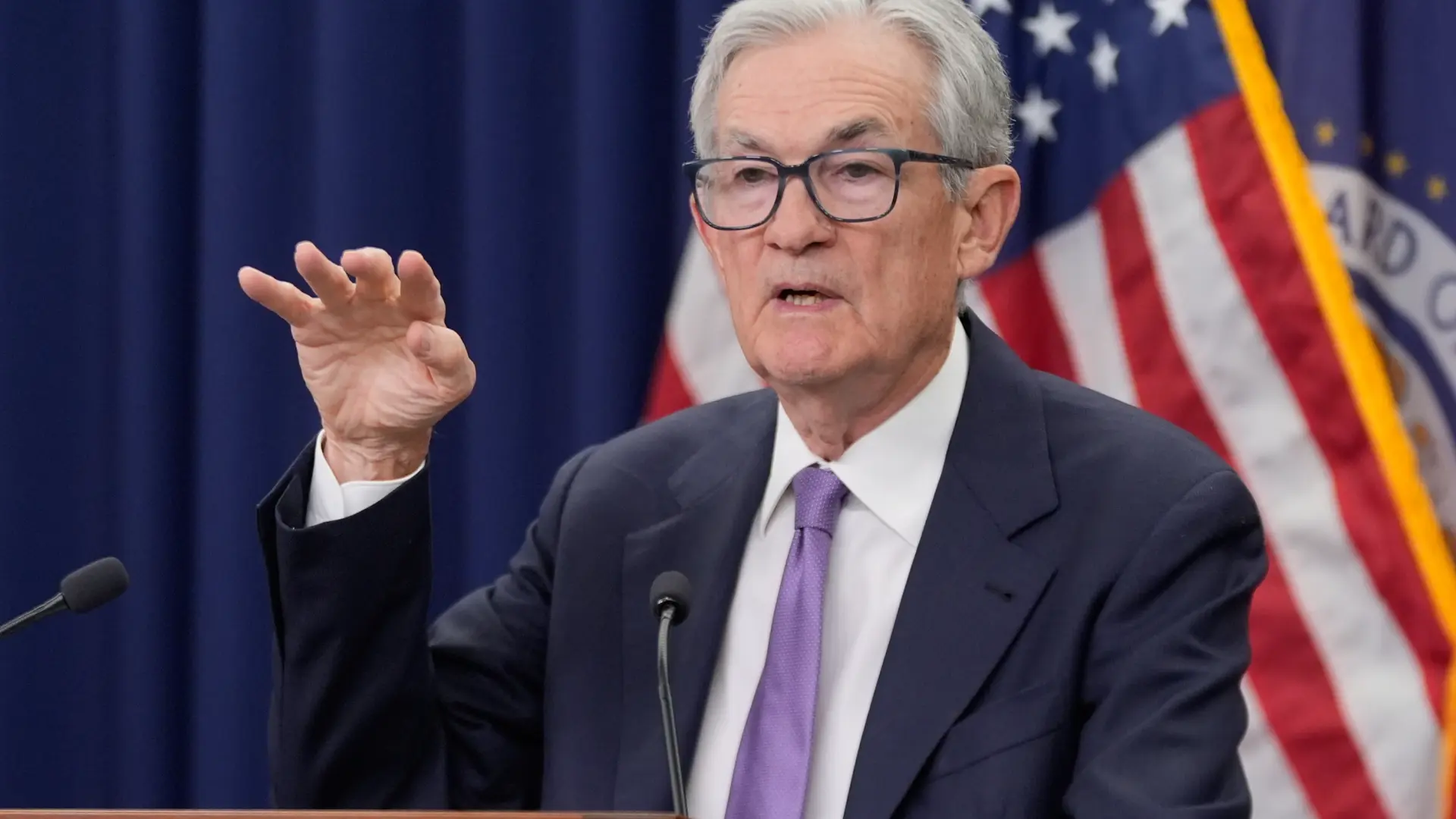
“Considering the FOMC split and delayed data release, Jerome Powell is expected to reaffirm the importance of data dependence and reiterate the Fed’s dual mandate: stabilizing inflation around 2% and achieving maximum employment,” says François Rimeu, senior strategist at Credit Mutuel Asset Management. The expert hopes that during the subsequent press conference, Jerome Powell will focus on the “temporary nature of price increases linked to tariffs” and emphasize the risks to employment derived from the slowdown in the labor market.
The Fed will also release an update to its macroeconomic forecasts, about which Romain Aumond, quantitative strategist at Natixis IM Solutions, expects both employment and growth figures to be revised upwards, while projecting moderate inflation by 2026. This situation has accentuated the division between both sides at the Fed. While some members argue that, given the rigidity of inflation, the mandate of price stability should prevail over that of full employment, several voices have united around the idea that economic momentum remains fragile, given the difficulties faced by small and medium-sized businesses, as well as low-income households, under this restrictive monetary policy regime.
The other side of the coin is represented by those who influence the deterioration of the labor market. “This evolution masks a growing uncertainty about the Fed’s equilibrium rate“, he maintains, while focusing on the “conservative” tone that Powell could adopt in this meeting, whose mandate expires in May 2026. In this regard, the market’s attention is also focused on the future successor at the head of the central bank. with the pools pointing towards Kevin Hassett as the candidate with the most points.
The current director of the National Economic Council of the White House stands as successor to take over. With a ‘dovish’ profile, conducive to tipping the balance towards a more moderate Fed, Hassett appears to be aligned with Donald Trump’s desire to continue with rate cuts, although some analysts suggest that he may not have the capacity to advance at the pace that Trump would like. Although many rate cuts have already been discounted (four over the next year), a more dovish Fed is likely to meet market expectations.
However, the complacency of this appointment would clash with existing concerns about attacks that question the independence of the Fed, so in an extreme case it could undermine the “trust” of investors. “There is no doubt that the institution will reiterate its independence from political power,” Natixis emphasizes. It is possible that Hassett will join the board of governors in February, something that occur would leave Powell in a difficult situation during the last months of his mandate.