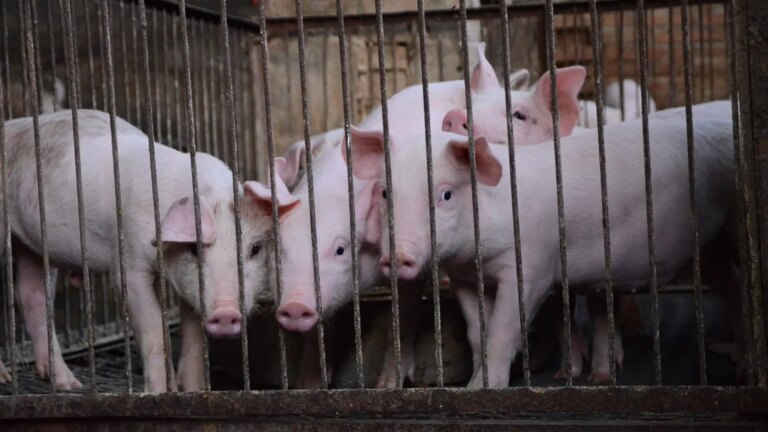
The first two cases of African swine fever (ASF) detected in Spain since November 1994
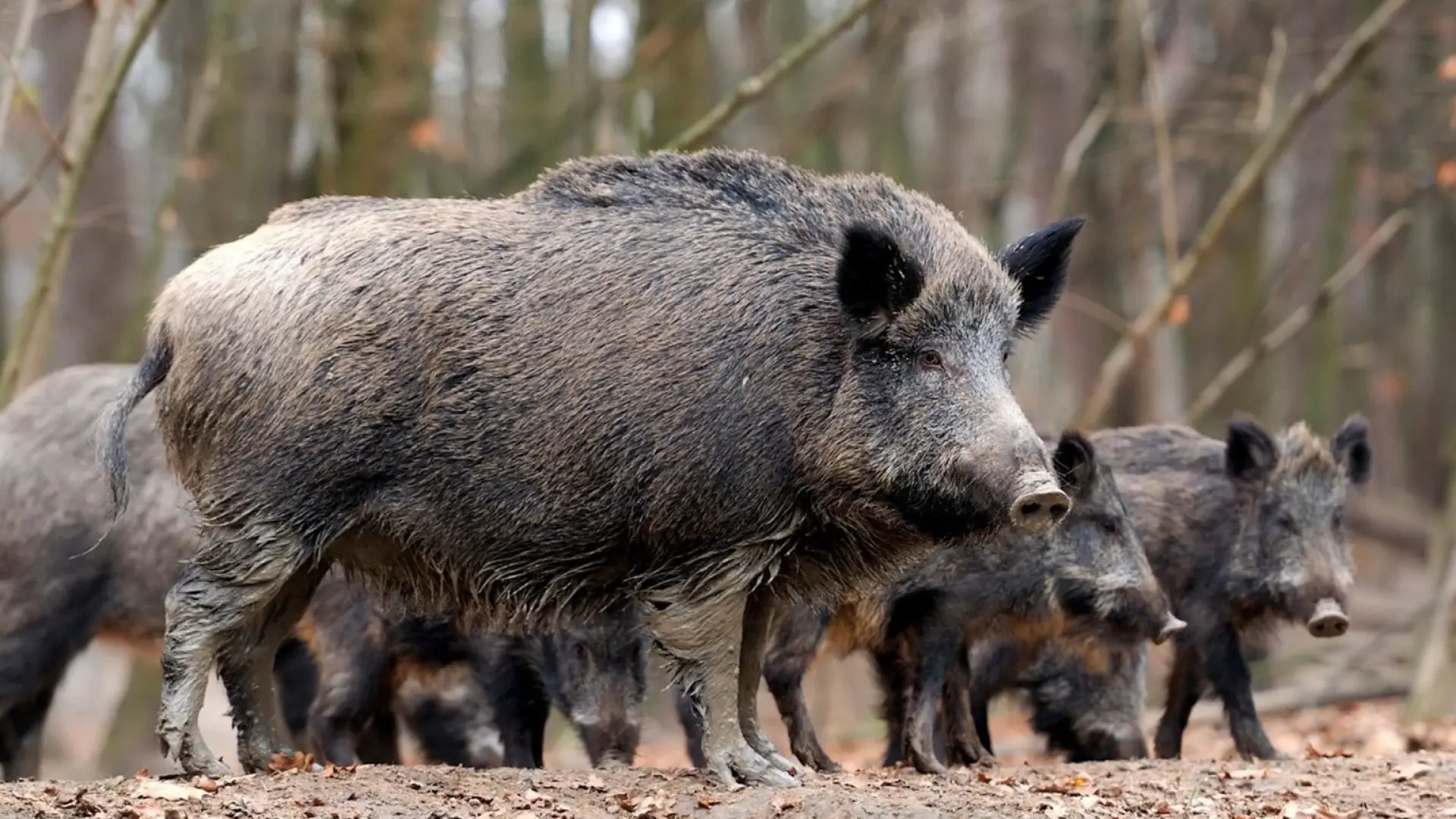
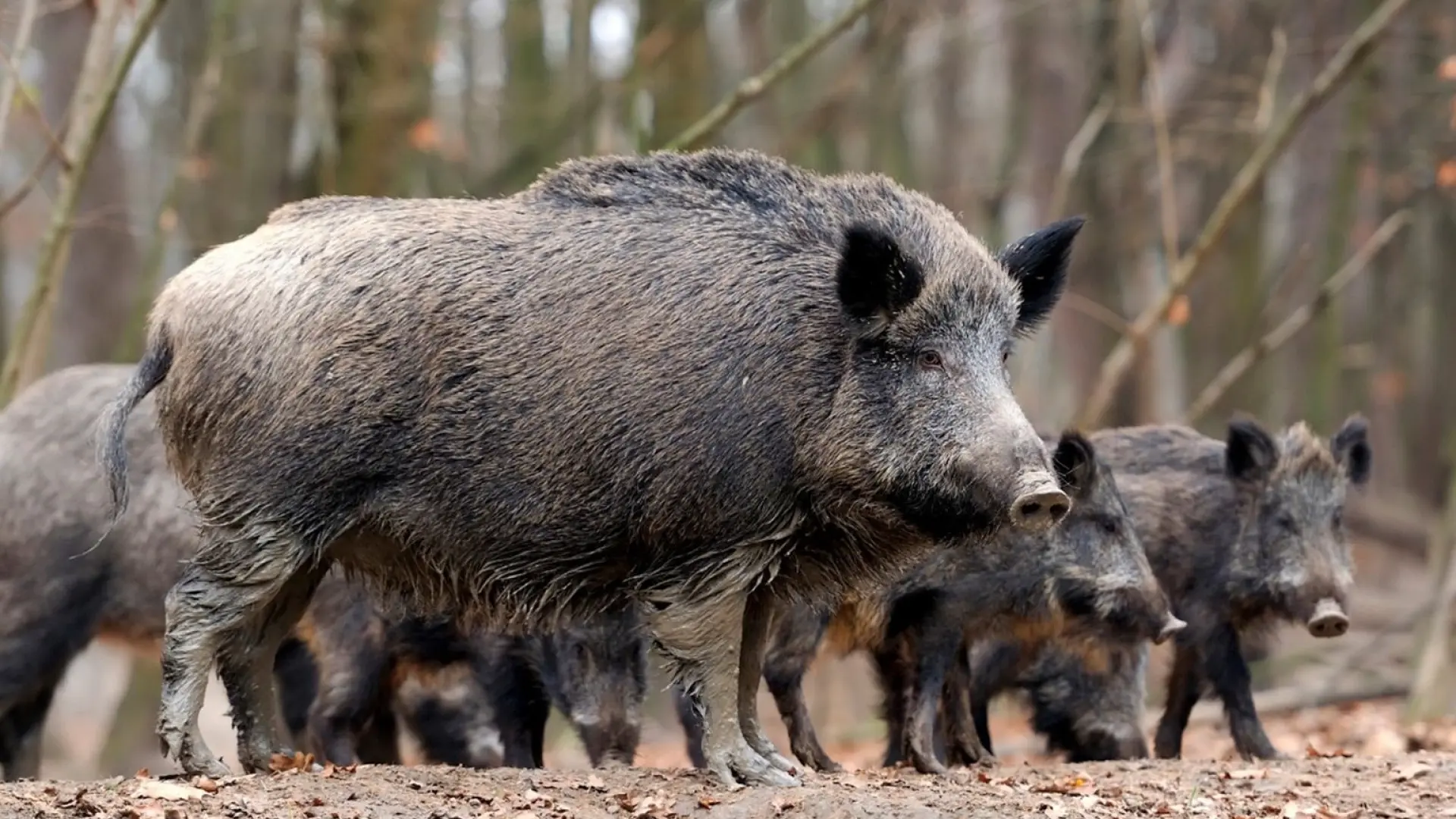
The official veterinary services of the Generalitat of Catalonia This Friday they notified the Ministry of Agriculture of the detection in two wild boars of the virus African Swine Fever (ASF) in Bellaterra (Barcelona), where they were found dead on November 26. In a statement, the department headed by Minister Luis Planas, pointed out that both positives were confirmed by the Central Veterinary Laboratory of Algete (Madrid). It is about the two first positives for this disease in Spain since November 1994.
Detected near the Autonomous University
From Agriculture they explain that the veterinary services were informed of the detection of the remains of the two wild boarsat a distance of 1 kilometer between both, in the vicinity of the campus of the Autonomous University of Barcelona (UAB). In the department of Planas they assure that the instructions of the practical manual of operations to combat this type of pest have been implemented, “which involves the delimitation of the infected area, active search and elimination under official control of the carcasses of wild boars”. In addition, hunting has been prohibited to prevent the wild boars from moving to other areas and restricted “non-essential activities”as well as tightened surveillance and biosecurity measures in pig farms in the area.
The Ministry has called on the sector to “extreme all biosecurity and surveillance measures in pig and wild boar farms, as well as in the transport of animals.” Agriculture has also recalled “the obligation to communicate to the official services of the autonomous communities about any suspicion that is detected, both in wild boars and in pig farms throughout the national territory.” Likewise, Agriculture has confirmed that The possible origin of the detected outbreak is already being investigated in these animals.
No impact on people
Agriculture has stressed that it is a disease that is not likely to affect humans through contact with animals or ingestion of products derived from them. Therefore, These are not viruses with the potential to infect mammals. However, the Ministry warns that “it is considered by the European Union (EU) as a category A disease, so member states must adopt precise measures to achieve its control and eradication as soon as possible in the affected areas.”