the countryside gains prominence in the new electoral cycle
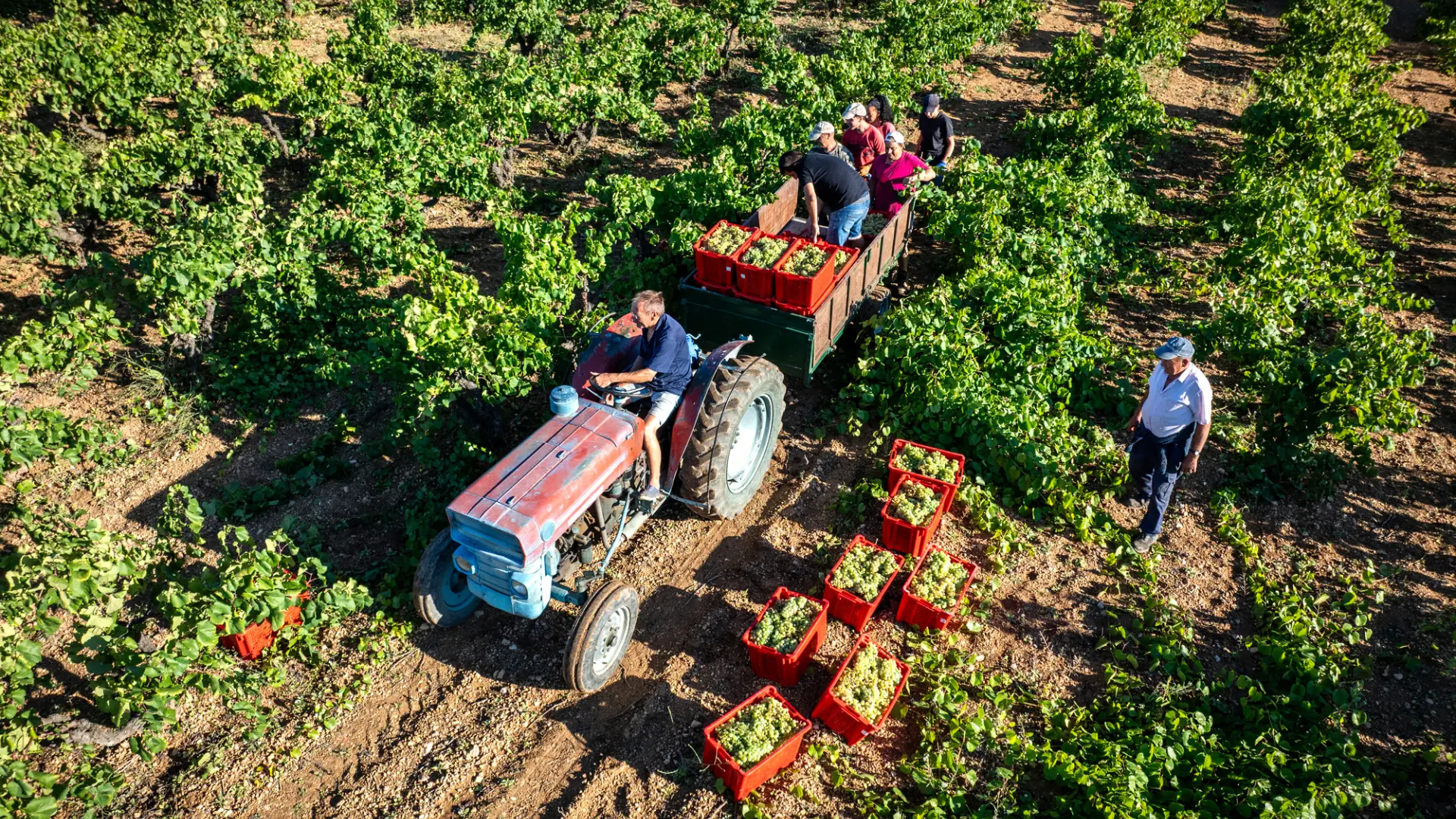
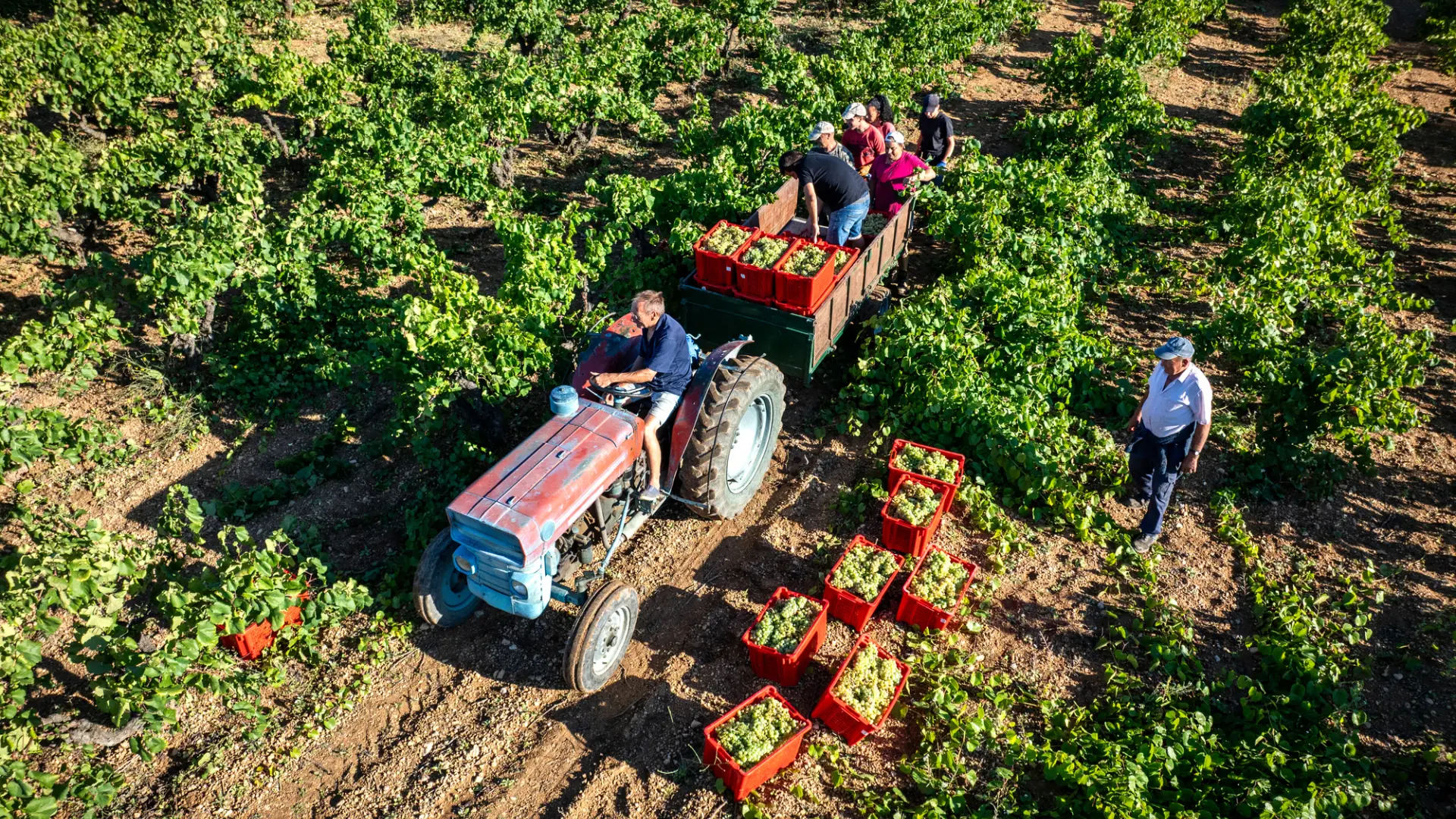
The new electoral cycle, which has begun in Estremadura On December 21, it will have stops in Aragón (February 8), Castilla y León (March) and Andalusia (June?). What do these 4 autonomous communities have in common? Apart from the political sign of their outgoing autonomous governments, all of them Popular Party (PP)all of them are united by the weight of the primary sector in their economies. As shown in the report ‘The agricultural sector and the food industry in Spain’, prepared by Economic Analysts of Andalusia (Unicaja) and published last week, it highlights that Andalusia accounts for more than a third of Spanish agricultural income estimated in 36,760.2 million euros (2024). It is followed by Castilla y León, which is 10%, while Aragón and Extremadura together account for 14%.
The study puts more data on the table: the Andalusian agricultural sector contributes 6.5% of the added value (GVA) of its economy or of the wealth generated by the production of goods and services, discounting the goods and services used for their production. In the case of Aragonis 5.9% while in that of Castile and León It is 5.8%. In Estremadura Agricultural activity still weighs more, since it represents 7.7% of the GVA of its economy. On the other hand, the Andalusian community ended last year with 239,600 employed in this activity, representing 6.9% of employed workers. In the case of the Aragonese, number of employed It was 34,800 people employed in the countryside, 5.6% of those employed. While in the Castilian-Leonese autonomy this workforce rose up to 60,900 workersthis is almost 6% of all employed workers. A figure that in Extremadura rose to 9.3%, reaching 38,800 people.
Andalusia accounts for more than a third of Spanish agricultural income, estimated at 36,760.2 million euros (2024). It is followed by Castilla y León, which is 10%, while Aragón and Extremadura together account for 14%, according to a study by Economic Analysts of Andalusia (Unicaja).
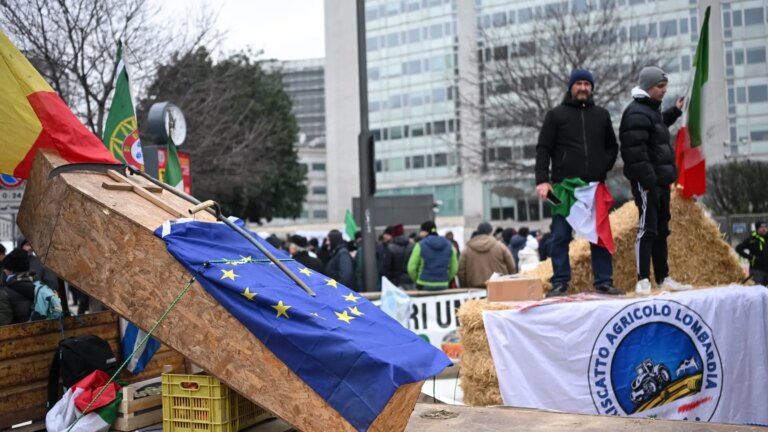
From the Coordinator of Farmers and Ranchers Organizations (COAG), one of the three professional associations that brought hundreds of Spanish farmers to Brussels to participate in the European mobilization on December 18 against cuts in the Common Agricultural Policy (CAP)remember that “Aragon, although it is more urbanized around Zaragoza, has entire regions where agriculture and livestock are hegemonic.” Furthermore, they emphasize that “Castilla y León is the community with the highest percentage of rural population of Spain”. In any case, they warn that “the rural world can act as a thermometer of the general context: if the primary sector mobilizes massively against or in favor of a government, usually drags the peri-urban and small-town vote.
The distribution of seats by provinces, key
The dean of the Professional College of Political Science, Sociology, International Relations and Public Administration of the Community of Madrid (Colpolsoc) and professor at the Carlos III University, Javier Lorenzo Rodríguez, points out in conversation with ‘Economic Information’ what what “Everything agri-food is relevant in Extremadura and Castilla y Leónalthough in the case of Aragonthere is a certain dissociation between the metropolitan area of Zaragoza together with very different territories such as Huesca and Teruel.” For this reason, the also professor at the Carlos III University believes that the field will influence the debates of the new electoral cycle. “The agricultural sector is fundamental for all these economiesso it will enter more into the agenda as a discursive axis, along with other elements such as renewable energies that do not set the agenda,” comments this expert, who adds that it will also depend on “how they present these issues on their agendasthe political parties that participate in the next elections”.
“The agricultural sector is fundamental for all these economies, so it will enter the agenda more as a discursive axis, along with other elements such as renewable energies that do not set the agenda,” Javier Lorenzo Rodríguez (Colpolsoc)
The PP-Vox dispute over the ‘heart’ of the farmer
A clear example of the above can be found in the two large formations of the Spanish center-right: Popular Party (PP) and Vox. Both have been openly competing for months for the favor of the agricultural sector. In any case, Rodríguez (Colpolsoc) warns that “the rural vote is not homogeneous and that, depending on the territory, it leans more towards the PP (Castilla y León), PSOE (Extremadura), and even, lately Vox (Castilla y León)”. In the main opposition party, its spokesperson in the Joint Commission for the European Union and former Minister of Agriculture and Livestock in the Junta de Castilla y León (2015-2019) Milagros Marcosensures that “beyond the votes, the primary sector is strategic.” The popular deputy coordinates the preparation of a white paper full of proposals to tackle their problems. “We are concerned about the field, that it is profitable, sustainable, competitive in the markets…”, says Marcos.
According to the popular deputy, the white paper will address the problems of this sector from perspectives as diverse as profitability “through good financing independent of the rest of European policies” in reference to the proposals to cut aid from the Common Agricultural Policy (CAP) put on the table by the European Commission; as well as from the attraction of more workers, the guarantee of sufficient border controls, the “create rural pride” and the promotion of the use of the mountains, among other axes. The popular one vindicates the management capacity of her party against Vox and rejects that the problems of the countryside be solved with populism: “The rural vote is not supported by shouting and without reading the 2030 Agenda“he concludes.
“Beyond the votes, the primary sector is strategic,” Milagros Marcos (Popular Party, PP) while Vox sources claim that “agricultural or livestock activity in ’emptied Spain’ has been suffering for decades due to the ideological impositions of Brussels.”
Vox and “the ideological impositions of Brussels”
In line with the above, sources from the political formation chaired by Santiago Abascal emphasize that “the agricultural sector and the rural world are an essential element of Spanish culture” and emphasize that “Spanish agriculture is an essential economic piece.” Specifically, from Vox, they remember that the food industry plays an “absolutely essential” role in the economic development of many Spanish regions. However, they criticize that “agricultural or livestock activity in ’emptied Spain’ has been suffering for decades due to the ideological impositions of Brussels”. What they identify with “green policies” and the “climate fanaticism” of Brussels. From this formation, which has just doubled its representation in Extremadura, they value initiatives that they have presented in the Congress of Deputies to protect the traditional olive grove “with measures that guarantee the profitability of its agricultural management and its conservation”, promote the recognition of hunting, as well as a “frontal” rejection of the European Green Deal and the 2030 Agenda, among others.