

The Government increases surveillance measures against bird flu and prohibits the raising of poultry outdoors in risk areas
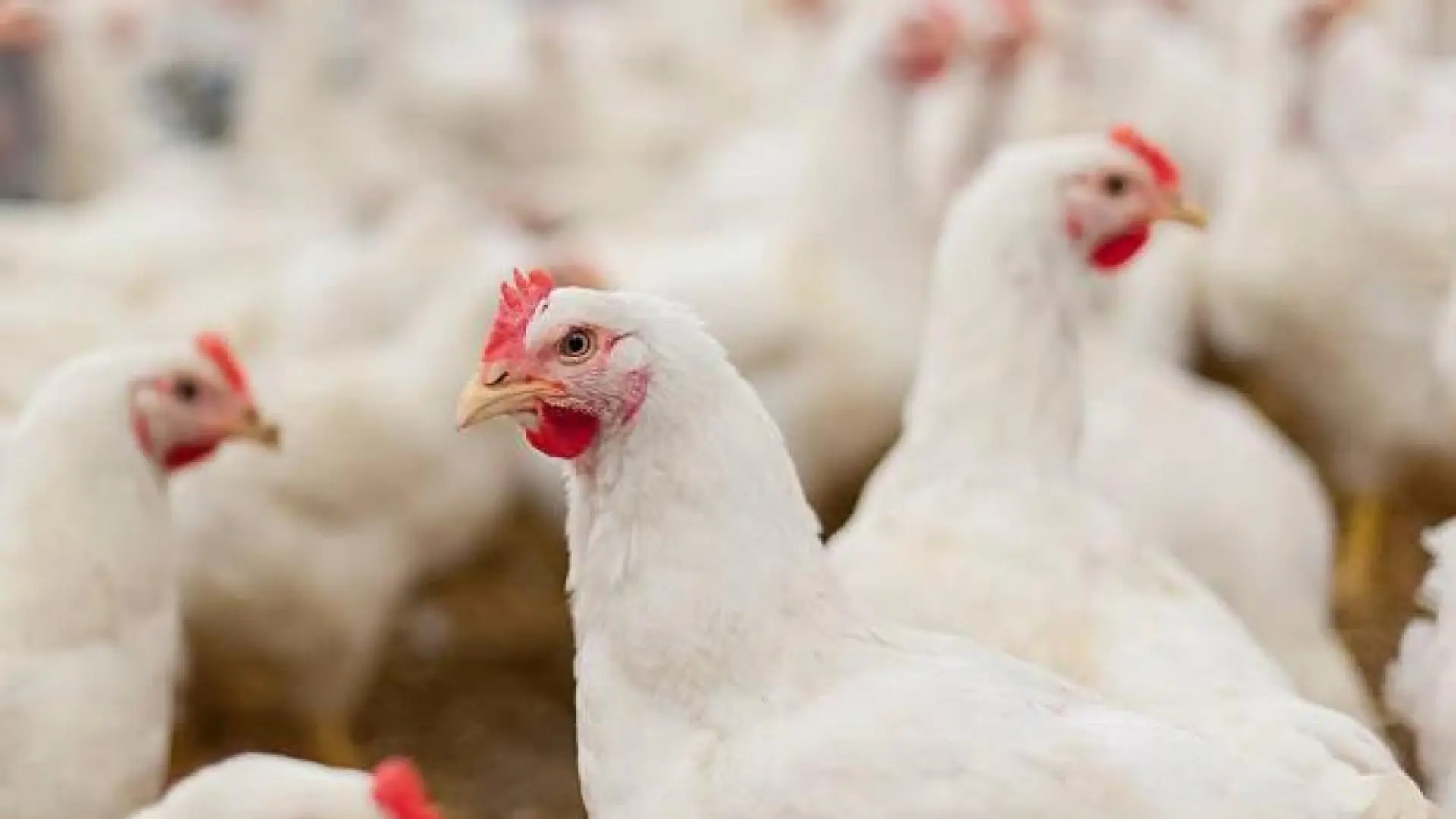
Given the increase in cases of avian flu detected in recent weeks in wild birds both in Spain and in the European Union (EU), the Ministry of Agriculture has tightened surveillance measures this Thursday and prohibited, as of November 10, the outdoor poultry farming in areas considered ‘risk’ and ‘special surveillance’ spread throughout almost all of Spain. Specifically, according to Ministry sources, among the objectives of this decision is “avoid contact between migratory and free-range birds” at a time when there is a lot of movement. Specifically, the department of Luis Planas, withdraws the exceptions contemplated in the Order APA/2442/2006 and activates said provision.
Specifically, according to the latest update published this Wednesday by Agriculture on avian flu in Spain, if it is not possible to make this ban effective, the order allows the competent authority to establish other measures such as installation of birdhouse fabrics “or any other device that prevents the entry of wild birds” provided that those raised in pens are fed and watered inside the facilities. “Or in a shelter that prevents the arrival of wild birds and avoid contact with food or water destined for poultry”, they add from the Ministry. The areas affected by these restrictions are included in the annexes to the aforementioned order.
Is it dangerous for humans?
What is known as avian flu or ‘bird flu’ is generated by a virus belonging to the Orthomyxoviridae family, the group known as ‘Influenza type A’. The virus that is infecting birds in half of Europe belongs to the H5N1 subtype and is considered “highly pathogenic.” That is, they usually have an incubation period of 3 to 5 days and have greater intensity with symptoms such as depression, loss of appetite, decreased laying, facial edema, hemorrhages in internal membranes, pancreatitis and sudden deaths. Regarding a possible affectation in humansthe European Center for Disease Prevention and Control (ECDC) considers that it is low for the general population, although it raises it to low/medium for people who have exposure frequent birds and poultry farm staff. On whether the virus can be transmitted through foodthis body considers it insignificant and refers to the hygiene and traceability measures established by European regulations in the food chain. Nor is avian flu transmitted to humans through cooked poultry meat, eggs or derived processed products.
14 outbreaks in poultry in Spain
The announced measure is preceded by a noticeable increase in the number of outbreaks. The department headed by Luis Planas recorded, from last July 1 until yesterday, a total of 139 spotlights of the one known as Highly Pathogenic Avian Influenza (HPAI) in poultry throughout the EU, as well as 708 in wild birds and 33 in captive birds. By countries, in Spainhave been detected 14 outbreaks of bird flu in poultry. Which puts us below Germany (59), Poland (17) and Italy (16). As for wild birds, on Spanish soil, 68 outbreaks of wild birds have been located, only behind Germany (306) and France (103). There are only 5 outbreaks in captive birds, one less than the Germans who lead this statistic.
Other restrictions: geese, ducks, fairs and water tanks
It is not the only restriction adopted by the Ministry as of November 10. Also breeding ducks and geese with other poultry species is prohibitedgive the latter to drink from water tanks to which wild birds have access “except in the event that this water is treated in order to guarantee the inactivation of possible avian influenza viruses.” Likewise, it is established that protect water tanks located outside against the intrusion of birds other than the farm and the accumulation of animals is restricted “including livestock competitions, samples, 7 exhibitions and cultural celebrations, as well as any concentration of poultry or other types of captive birds outdoors” although it leaves room for maneuver to the corresponding authorities after a risk assessment. Nor will it be permitted to use birds from the orders Anseriformes and Charadriiformes as decoys.


