The Government will not distribute aid for public transport in 2025 to cities that continue without creating low-emission zones
Cities with more than 50,000 inhabitants that by 2025, low-emission zones will not be in operation (ZBE) that by law are required to delimit will not receive next year public transport subsidies collective. The Ministry of Transport is preparing this measure as one of the “penalties” that at the beginning of the year the minister, Oscar Puenteannounced for the municipalities that do not delimit areas with restricted traffic and that it will also be extended to the municipalities of up to 20,000 inhabitants that exceed the pollution limits, are also forced to create ZBEs.
According to sources from the Ministry of Transport, the aid that the Ministry distributes among cities to finance public transport already includes the obligation to have a Sustainable Mobility Plan as a requirement. Next year, a further step will be taken and the obligation to implement will be added low-emission zones to the approximately 150 cities that are required to do so by the Climate Change Law.

In 2023, the Government distributed 884 million and in 2024, 784 million to finance local public transport. They have served, for example, to finance the 50% discounts on the price of transport public transport for frequent travellers and free transport in the Canary Islands and the Balearic Islands. The amount for 2025, of which the cities without ZBE will receive nothing, is not yet determined because will depend on the General State Budget which remain up in the air. In fact, a few days ago Puente himself pointed out that Spain “can afford” to continue next year with a prorogued budget, like this one, if the political situation continues to prevent the Government from forming a parliamentary majority to approve it.
Widespread non-compliance
In any case, penalizing in this way the municipalities that next year still do not have low-emission zones is One more step by the Government to enforce part of a regulation, the Climate Change Law, which most mayors have been dragging their feet on for years in order not to apply it and delimit areas with traffic restrictions.

On June 30, the 18-month deadline that the Ministry of Ecological Transition gave to the 149 cities required to put the ZBE into operation in December 2022 ended. At the moment, according to the monitoring of the department of Teresa Ribera, There are only about twenty who comply And while Madrid has just started to fine people for violating its ZBE, other municipalities have still not created them, not finished them or not fined people for not respecting them.
In this scenario, Puente announced months ago that there would be “penalties” for them, such as not allocating funds for public transport, and he is studying with Ribera how to identify and count what the general secretary of Sustainable Mobility, Alvaro Fernandez Herediahas called “fake low emission zones“, because they exist but are not applied.
![Photographer: Jose Gonzalez Perez [[[PREVISIONES 20M]]]topic: Interview with the Secretary General of Sustainable Mobility, Álvaro Fernández Heredia](https://imagenes.20minutos.es/uploads/imagenes/2024/04/29/fotografo-jose-gonzalez-perez-previsiones-20m-tema-entrevista-secretario-general-de-movilidad-sostenible-alvaro-fernandez-heredia-9.jpeg)
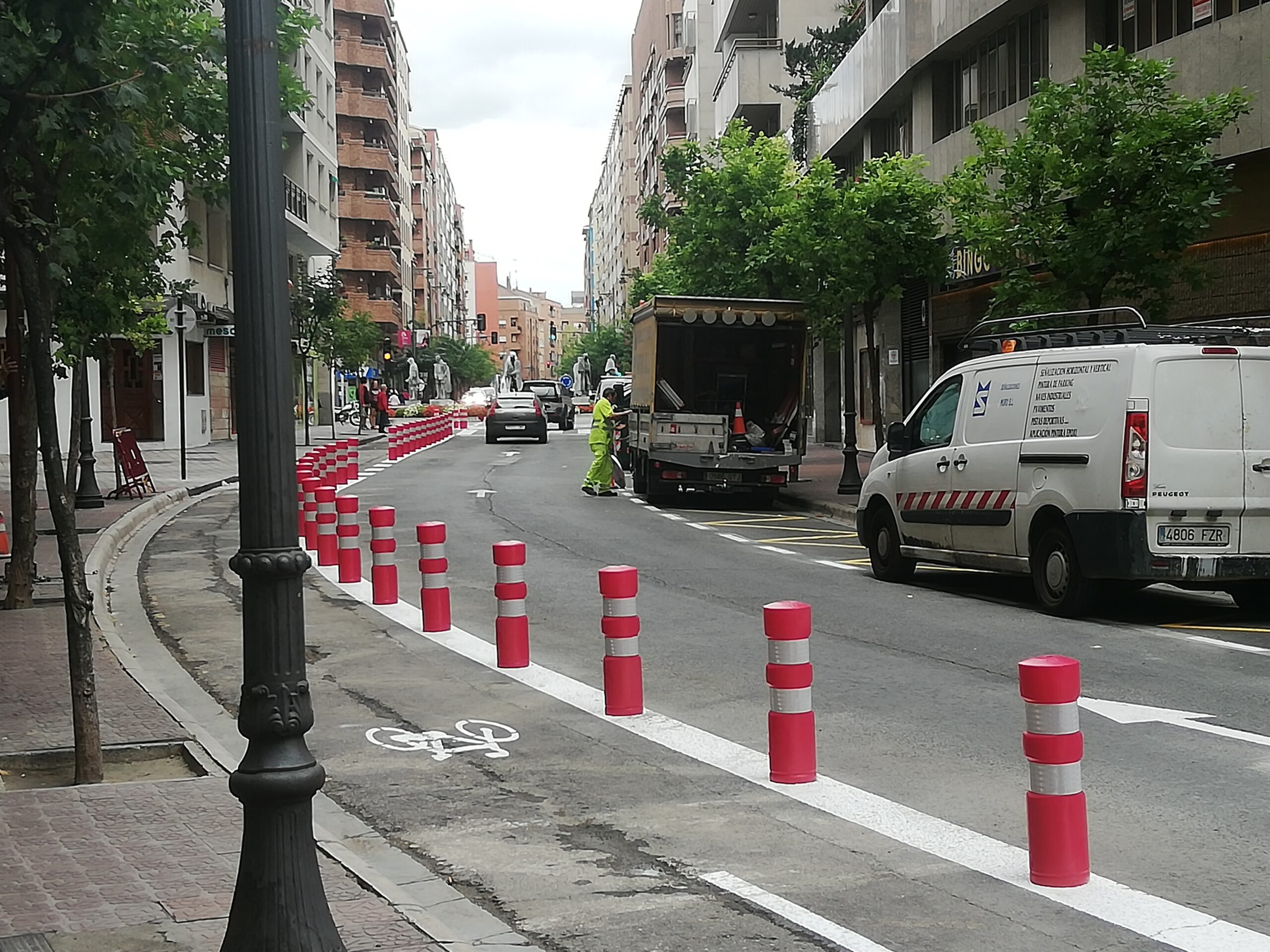
Also for months, the Ministries of Ecological Transition, as author of the Climate Change Law, and of Transport, as responsible for the distribution of aid, have been warning that the almost Two hundred municipalities among which 1.5 billion have been distributed in grants from European funds, not only for ZBE, but also to create bike lanes or pedestrianize streets, will have to return the amounts if the works are not carried out on time.
In many cases, the deadline ends at the end of this year and Puente already recognizes that part of those funds destined for sustainable mobility will not be used for the agreed purposes andIt will be necessary to “re-employ” them so as not to have to return them to Brusselsas stated in the regulations for the Next Generation Fund aid. In addition, Transport warns that non-compliant municipalities will not only have to return the unused amounts, but will also have to face fines for failing to comply with the Subsidy Law for some violations that will be considered “serious” and that could double the subsidy received.