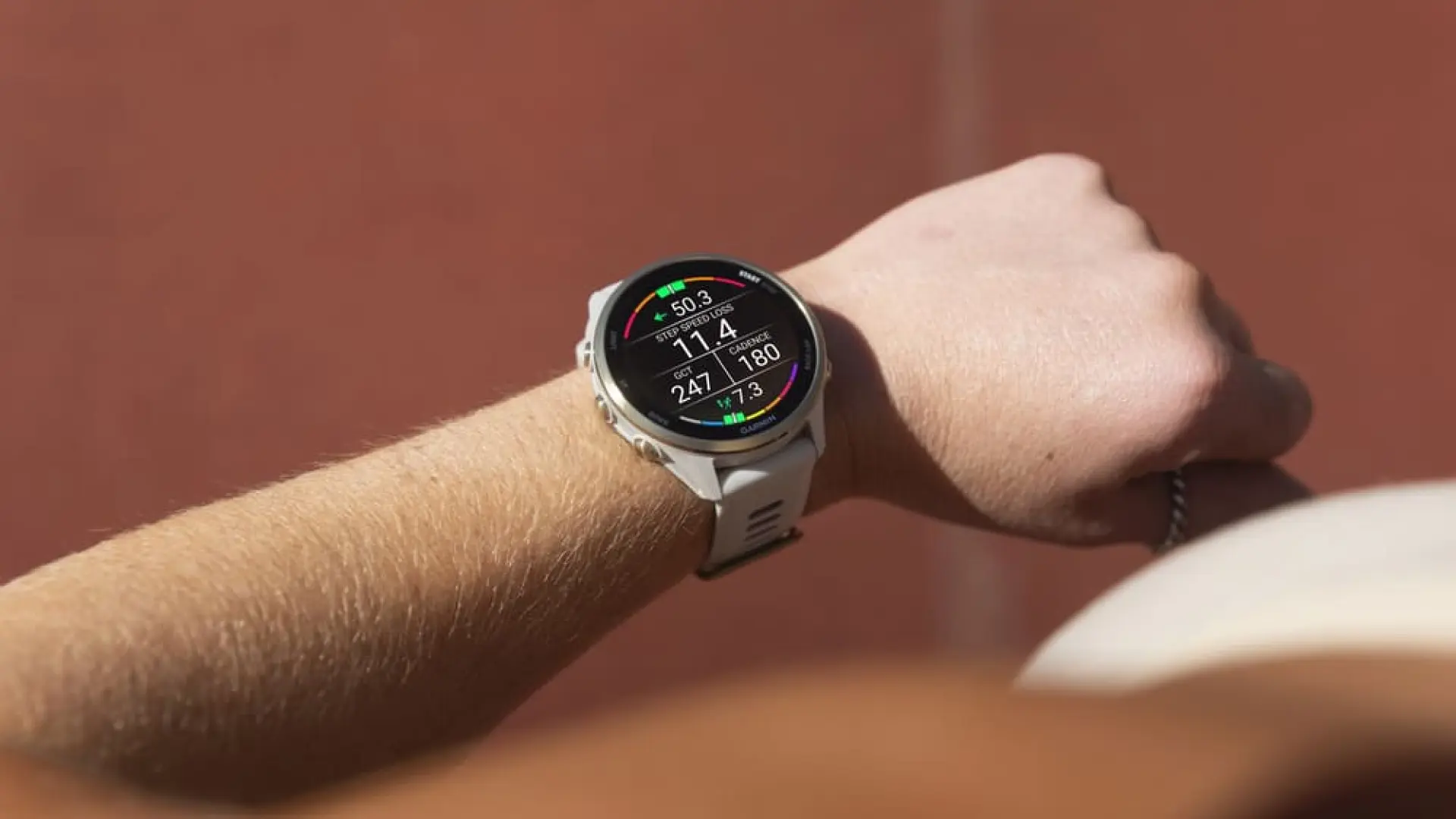
The new running ‘boom’ boosts Garmin’s income in Spain by 18% to a record of 90 million
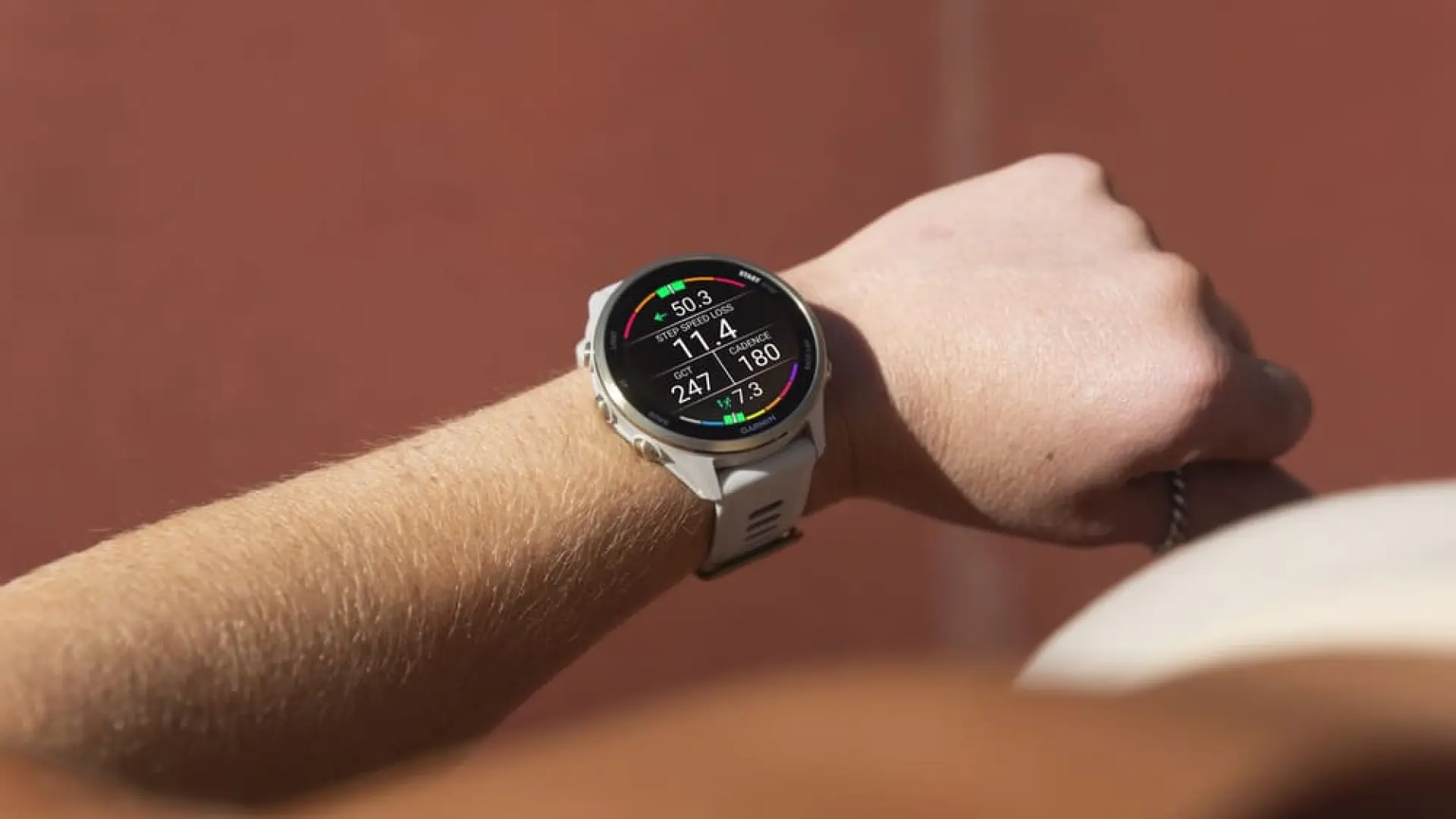
The last few years have been the scene of a new resurgence of running in Spain. Driven by popular races, greater exposure on social networks and the emergence of run clubs As new spaces for urban socialization, running has stopped being just a sport and has become a cultural phenomenon. This boom is not only measured in numbers or stories from Instagram, but also in business figures.
On a business level, this new expansive cycle of running has not gone unnoticed. Brands and platforms historically linked to sports performance have established themselves as key players in this ecosystem. While applications like Strava have redefined the way runners and cyclists build their community, manufacturers of smart watches and GPS devices have capitalized on this boom in the form of sales.
This is the case of Garmin, the technological multinational that was born in 1989 with the mission of popularizing GPS and applying it to general aviation, nautical and then to the consumer market to – years later – become a reference among users. wearables sports. Based in the Cayman Islands, the company run by Cliff Pemble has been increasing its turnover to almost 6.3 billion dollars (just over 5,400 million euros at the exchange rate) in 2024 with the fitness as the engine of your business.
This, among other factors, explains the financial growth that the technology company is experiencing in Spain and is shown in its latest accounts deposited in the Mercantile Registry corresponding to the year 2024. In this period, the income of Garmin Iberia – the company that channels its purchase, sale, marketing, and distribution in Spain – grew by 18% to reach a record of 91 million euros, which would amount to 96.4 million without taking into account the rappels or returns applied.
This escalation led the society represented by Jonathan Wagstaff to promote its net profit above 2 million, 33% more than a year ago. This figure, according to the management report, is allocated to its parent company -Garmin Spain- as dividends. The same report supports the growth of the business in “the good reception of the products launched” and predicts a positive evolution for the year that has just ended despite warning about “very strong competition in distribution channels”.
Although the company does not distribute the income it harvests in Spain by segments, it does so in its annual accounts -incomparable in magnitude to those recorded in this market-. The latest ones, presented in the third quarter, place the fitness as the business area that contributes the most to billing (1,770 million dollars) with 33% of income, followed by outdoor and adventure (28%), the nautical products (15%), the solutions for aviation (13%) and the technology supplied to automobile manufacturers (9%).
Its growth, however, has not been free of tensions with other actors. Last October, the aforementioned Strava filed a lawsuit against Garmin in the United Statesclaiming that their devices and applications fitness infringed three of its patents and that it had breached a 2015 cooperation agreement on shared technology. The litigation had no further progress, given that just one day later, the company voluntarily withdrew the lawsuit in federal court in Colorado, leaving open the possibility of reviving its claims in the future.