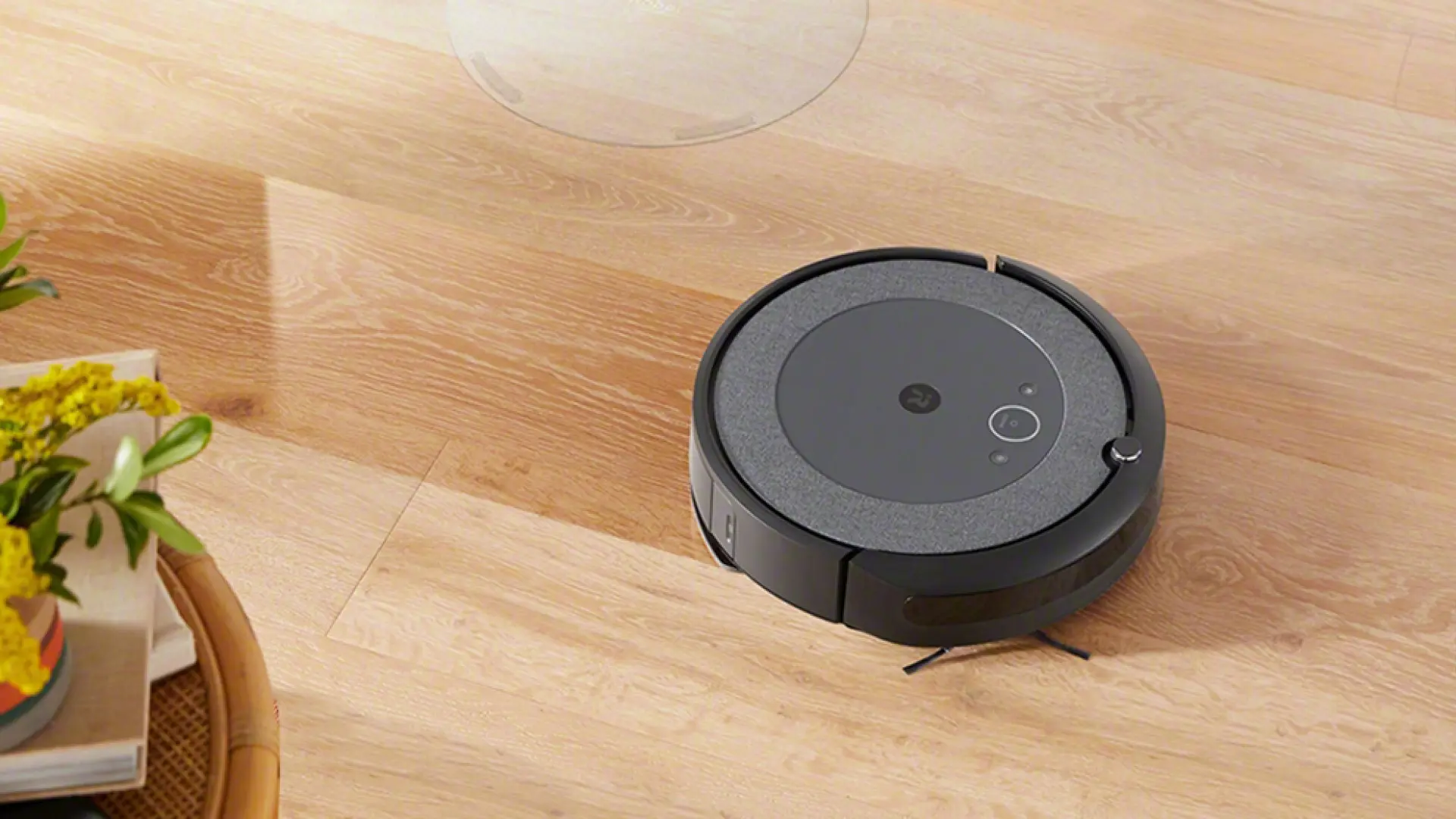
The Roomba manufacturer declares bankruptcy and ends its adventure on Wall Street
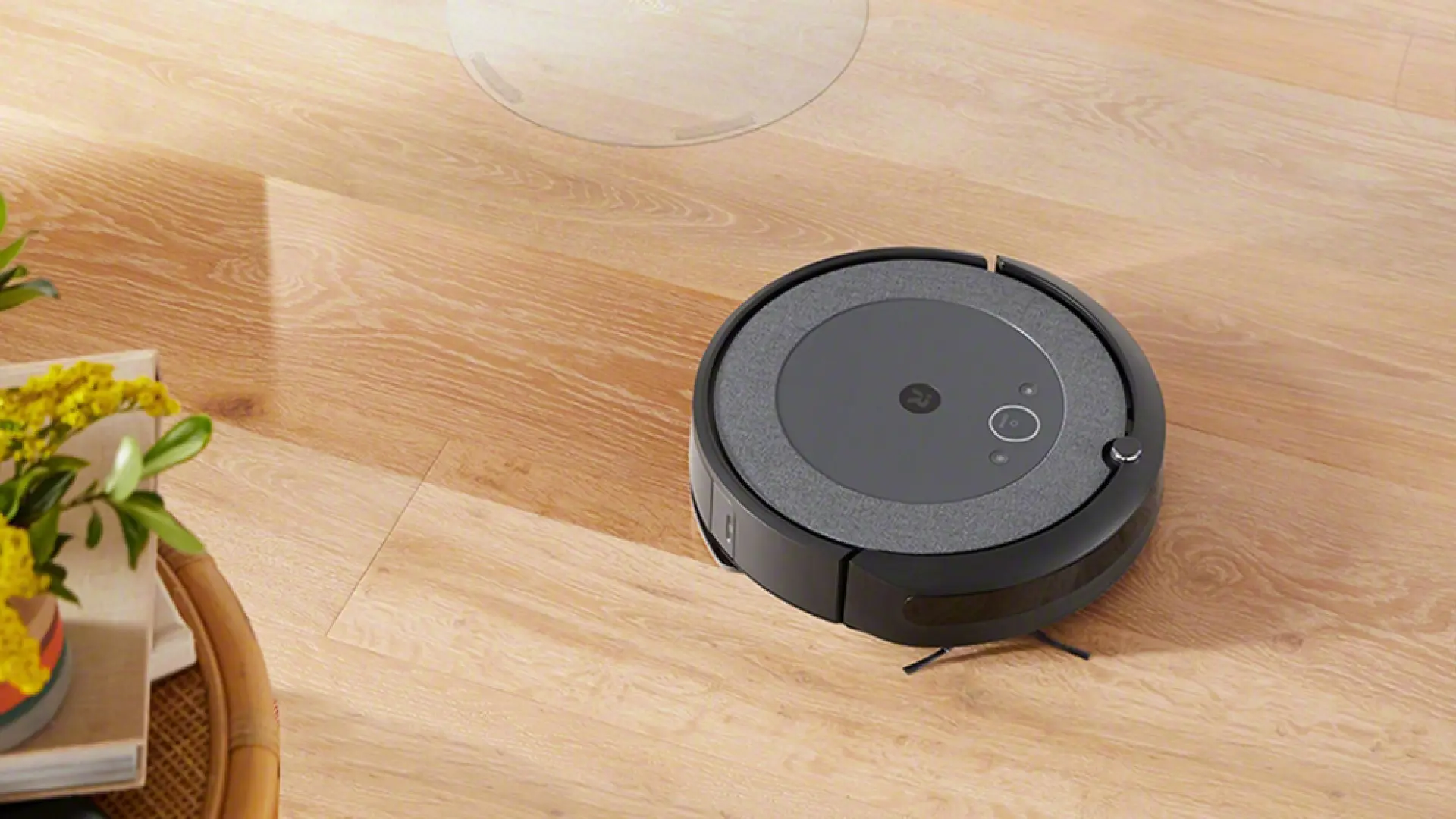
iRobot, the company that revolutionized robot vacuum cleaners in the early 2000s with its Roomba model, declares bankruptcy and proposes ceding control to its main Chinese supplier. The Massachusetts-based manufacturer, which is currently publicly traded, will be acquired by Chinese company Shenzhen PICEA Robotics and a subsidiary thereof, according to a press release compiled by Bloomberg. Common stock in the company, founded in 1990 by engineers at the Massachusetts Institute of Technology (MIT), will become worthless under the proposed Chapter 11 plan filed Sunday in Delaware.
iRobot enjoyed early success with the Roomba, which it launched in 2002 and which quickly became synonymous with autonomous vacuum cleaners. However, profits at the company – which has sold more than 40 million home robots – began to decline in the post-Covid era, hit by supply chain problems and cheaper competitors. In fact, the company already warned of possible bankruptcy earlier this month. In 2022, Amazon made an offer that would have changed the company’s fortunesbut this collapsed due to a conflict with the competition authorities of the European Union.
iRobot received more than 90 million dollars (76 million euros at the current exchange rate) in compensation for the failure of the agreementbut part of that money was used to pay advisory fees and to repay a portion of a $200 million (€170 million) loan provided by Carlyle Group as bridge financing while the transaction with Amazon was closed. Last month, Shenzhen PICEA’s subsidiary Santrum Hong Kong acquired the US investment firm’s $191 million (€162 million) of outstanding debt – including principal and interest – and since then PICEA has been in talks with iRobot to secure new capital and address the outstanding debt.
Bankruptcy plan will allow iRobot to continue operating and continue to meet its commitments to employees, in addition to making full and timely payments to suppliers and other creditors for amounts owed throughout the court-supervised process, the company said in a statement. In the application, the company declared assets and liabilities worth between 100 and 500 million dollars (85 and 425 million euros).